
When Money Feels Like a Threat
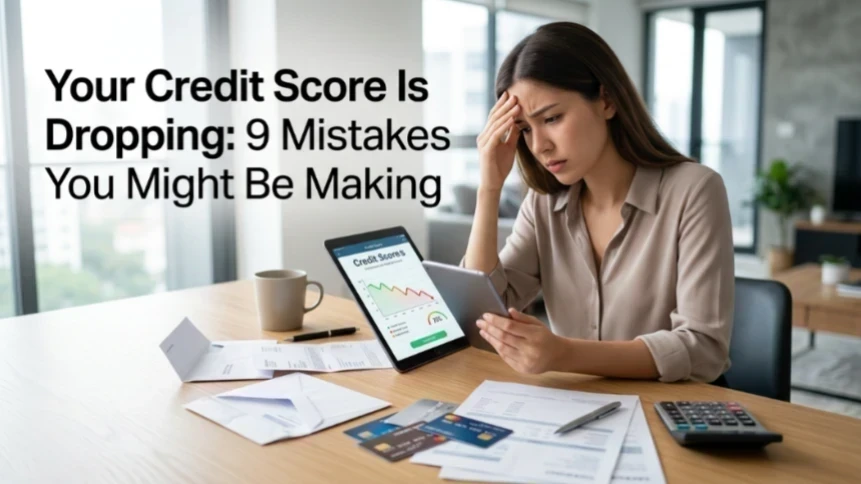
For many people, money is not just a practical concern—it is a source of constant tension. Opening a banking app can trigger unease. Paying bills brings a sense of dread. Even thinking about long-term financial planning can feel overwhelming.
This experience has a name: financial anxiety.
Financial anxiety is not simply about lacking money. It affects people across income levels, professions, and stages of life. Some earn modest incomes and feel relatively calm. Others earn six figures and live with persistent financial fear. The difference is not math—it is emotion.
At its core, financial anxiety is the result of fear and shame quietly shaping financial behavior. These emotions influence how money is earned, spent, saved, avoided, and even thought about. Until they are understood, no budget or strategy can fully work.
What Is Financial Anxiety?
Financial anxiety is a chronic sense of worry, tension, or fear related to money and financial decisions. Unlike short-term stress caused by a specific expense, financial anxiety lingers. It influences daily choices, sleep, relationships, and long-term planning.
Common signs include:
Avoiding bank accounts or bills
Constant worry about “not having enough”
Difficulty making financial decisions
Feeling behind regardless of income
Shame around money conversations
Physical symptoms such as tension or fatigue
Financial anxiety is not a character flaw. It is a stress response.
Why Money Triggers Fear So Easily
Money is closely tied to survival. Housing, food, healthcare, safety, and stability all depend on it. When money feels uncertain, the brain interprets that uncertainty as a threat.
From a neurological perspective, perceived financial instability activates the body’s stress response. The nervous system prioritizes protection over planning. This makes calm, long-term decision-making extremely difficult.
As research in behavioral economics and neuroscience has shown, including the work of Daniel Kahneman, humans rely heavily on emotional and intuitive thinking when facing uncertainty. Money decisions rarely occur in emotionally neutral conditions.
Fear narrows focus. It shifts attention toward immediate relief rather than future stability.
The Role of Shame in Financial Anxiety
While fear drives urgency, shame drives silence.
Money shame develops when financial struggles are internalized as personal failure. Society often treats money as a measure of intelligence, discipline, or worth. As a result, people feel pressure to appear financially “together,” even when they are struggling.
Shame leads to:
Hiding financial problems
Avoiding conversations or help
Delaying corrective action
Comparing oneself negatively to others
Unlike fear, which can provoke action, shame freezes. It convinces people that acknowledging the problem will confirm their worst beliefs about themselves.
This emotional combination—fear plus shame—is especially powerful. Fear creates urgency, while shame blocks resolution.
How Financial Anxiety Controls Behavior
Financial anxiety rarely shows up as a single bad decision. It creates patterns.
Avoidance
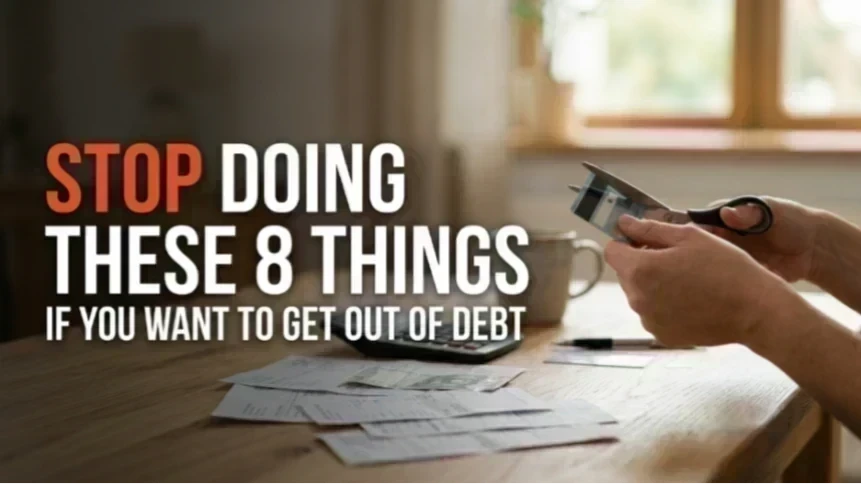
People delay opening bills, checking balances, or addressing debt because information itself feels threatening.
Short-Term Coping
Spending, overworking, or emotional purchases provide temporary relief from stress, even when they worsen long-term outcomes.
Decision Paralysis
Fear of making the “wrong” choice leads to inaction. No decision feels safe enough.
Hyper-Control
Some respond with extreme restriction, rigid budgets, or financial perfectionism, which often leads to burnout.
In each case, the behavior is not irrational—it is protective.
Why More Money Doesn’t Always Reduce Anxiety
A common assumption is that financial anxiety disappears with higher income. In reality, anxiety often scales.
Without emotional safety:
Higher income can increase pressure
Lifestyle inflation raises perceived risk
Fear of losing status intensifies
Financial decisions feel heavier, not lighter
Financial anxiety is rooted in perception, not numbers. If money feels unpredictable or unsafe, anxiety persists regardless of income.
Financial Anxiety and the Nervous System
Financial anxiety is not just psychological—it is physiological.
Chronic money stress keeps the body in a low-level fight-or-flight state. This affects:
Concentration
Memory
Emotional regulation
Risk assessment
In this state, the brain prioritizes short-term certainty over long-term benefit. This explains why people may understand financial principles yet struggle to apply them consistently.
As neuroscientist Antonio Damasio famously explained, emotion is not separate from reasoning—it is foundational to it. When emotional safety is compromised, rational planning suffers.
The Hidden Cost of Financial Anxiety
Beyond money itself, financial anxiety impacts quality of life.
It can:
Strain relationships
Reduce career satisfaction
Increase burnout
Limit future planning
Create chronic stress
Over time, anxiety becomes normalized. People adapt to constant tension without realizing how much it shapes their decisions and sense of possibility.
Why Traditional Financial Advice Often Falls Short
Most financial advice focuses on tools:
Budgets
Spreadsheets
Debt strategies
Investment formulas
These tools are useful—but incomplete.
When fear and shame dominate, tools feel overwhelming or restrictive. Advice that ignores emotional context can unintentionally increase anxiety, reinforcing the belief that one is “bad with money.”
Financial health requires emotional regulation as much as financial knowledge.
How to Reduce Financial Anxiety (Without Ignoring Reality)
Reducing financial anxiety does not mean avoiding responsibility. It means restoring a sense of safety and control.
1. Shift From Judgment to Awareness
Observe financial patterns without labeling them as failures. Clarity reduces fear.
2. Create Predictability
Simple routines—regular check-ins, automated payments, clear categories—reduce uncertainty.
3. Limit Decision Load
Fewer choices mean less emotional strain. Simplicity supports consistency.
4. Separate Worth From Net Worth
Financial circumstances describe a situation, not personal value.
5. Build Gradual Exposure
Small, consistent engagement with finances reduces avoidance over time.
When Fear Loses Control, Choice Returns
As financial anxiety decreases, something important happens: choice expands.
People begin to:
Make calmer decisions
Plan further ahead
Adjust without panic
Use money intentionally
Fear no longer dictates behavior. Numbers regain their proper role—as tools, not threats.
Conclusion: Financial Anxiety Is Understandable—and Changeable
Financial anxiety is not a personal failure. It is a predictable response to uncertainty, pressure, and emotional conditioning around money.
Fear and shame may control financial behavior for years—but they do not have to remain in charge.
When emotional awareness is paired with simple financial structure, anxiety loses its grip. Control returns gradually, sustainably, and realistically.
Money becomes manageable not when it is perfect—but when it feels safe to face.
FAQ — Financial Anxiety Explained
1. What is financial anxiety?
Financial anxiety is a persistent feeling of fear, stress, or worry related to money. It goes beyond short-term financial stress and often affects daily decisions, sleep, emotional well-being, and long-term planning.
2. Is financial anxiety only caused by low income?
No. Financial anxiety affects people at all income levels. It is more closely linked to emotional safety, predictability, and past experiences with money than to how much someone earns.
3. How do fear and shame influence money behavior?
Fear pushes people toward short-term relief and avoidance, while shame creates silence and denial. Together, they can control spending, saving, and decision-making without conscious awareness.
4. Why do people avoid checking their bank accounts when anxious?
Avoidance is a protective response. When money information triggers stress or shame, the brain treats it as a threat and seeks relief by avoiding it—even if that worsens the situation long term.
5. Can financial anxiety cause physical symptoms?
Yes. Chronic money stress can activate the nervous system, leading to tension, fatigue, difficulty concentrating, sleep problems, and ongoing emotional exhaustion.
6. Does having more money automatically reduce financial anxiety?
Not necessarily. Without emotional security and structure, higher income can increase pressure, expectations, and fear of loss—sometimes intensifying anxiety instead of reducing it.
7. Is financial anxiety a sign of poor money management?
No. Financial anxiety is not a character flaw or lack of discipline. It is a stress response shaped by uncertainty, emotional conditioning, and past experiences with money.
8. Why does traditional financial advice often fail for people with anxiety?
Because it focuses on tools and numbers without addressing fear, shame, and emotional overload. When anxiety is high, even good advice can feel overwhelming or restrictive.
9. What is the first step to reducing financial anxiety?
Awareness without judgment. Observing financial patterns calmly helps reduce shame and avoidance, making consistent action possible over time.
10. Can financial anxiety be reduced without ignoring financial reality?
Yes. Reducing anxiety means creating predictability, structure, and emotional safety—not avoiding responsibility. Calm engagement leads to better decisions, not denial.