








Money-saving habits can change your finances, but the biggest shift may not happen in your bank account first. It can happen in your head. When you are mentally exhausted, emotionally overloaded, and constantly moving from one responsibility to another, money can quietly become another source of background stress. You may be functioning, paying bills, working, caring for people, and getting through the day while still feeling that something is not quite right.
That feeling matters. Modern life makes financial overload look normal. You open an app, see another subscription, remember a bill, order something because you are tired, and promise yourself you will deal with the bigger picture later. Then later becomes next week. Next week becomes next month.
The good news is that you do not need to become a completely different person to change your finances. You need a few repeatable systems that make good decisions easier when your energy is low.
These 10 money-saving habits are designed for real life, especially those seasons when you are tired of feeling like you should be doing better but cannot explain why your money still feels messy.
1. Create a 15-Minute Weekly Money Reset
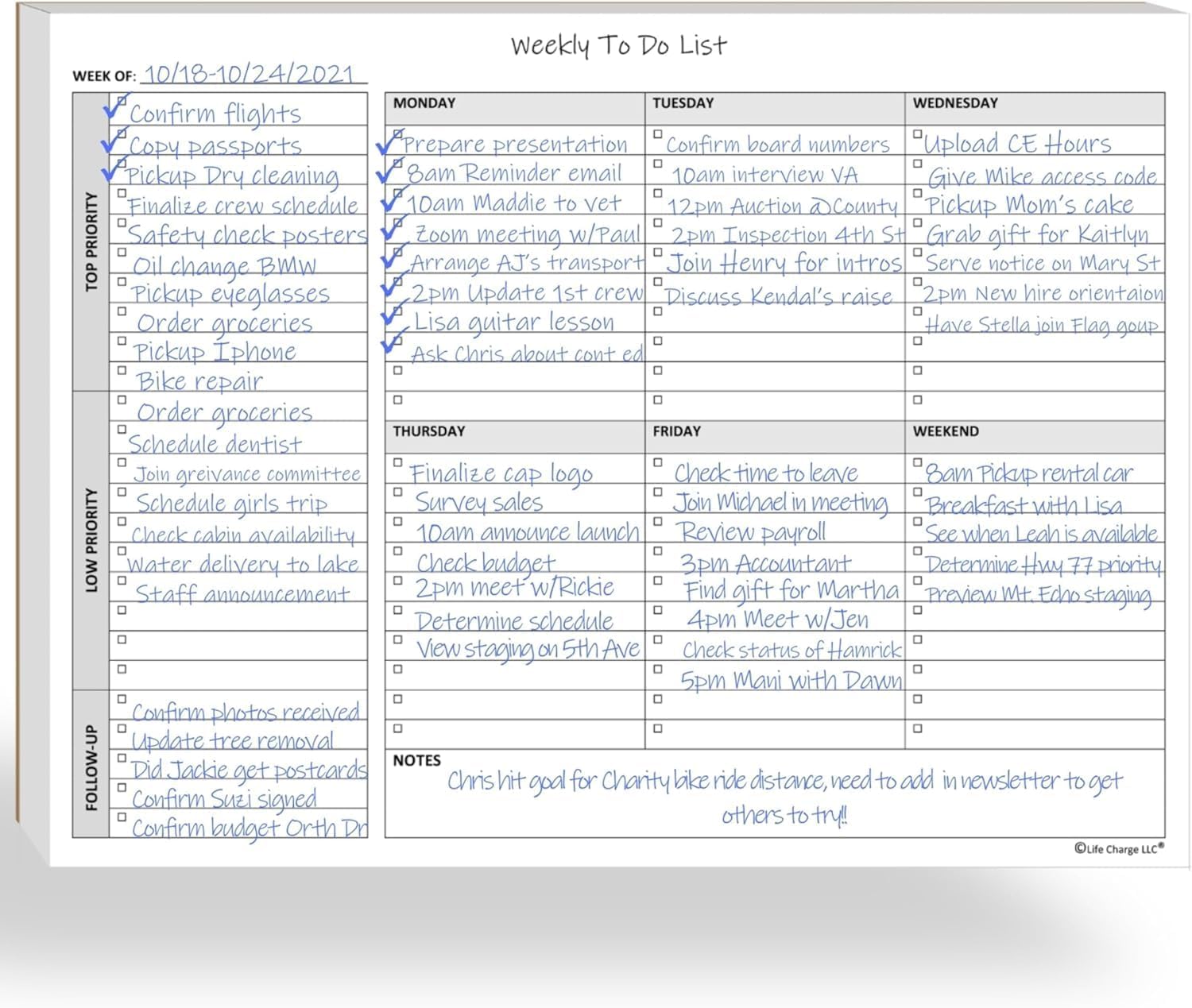
The first of these money-saving habits is also one of the simplest: give your money fifteen minutes of attention every week. Not an entire Sunday afternoon. Not a complicated spreadsheet. Fifteen focused minutes.
Look at your checking account, recent transactions, upcoming bills, and savings progress. Ask yourself three questions: What came in? What went out? What needs my attention next?
This habit works because financial stress often grows in the space between reality and uncertainty. When you do not know what is happening, your brain fills in the blanks with worry. A short weekly check-in turns vague anxiety into specific information.
You might notice a restaurant charge you forgot about, an upcoming annual bill, or a subscription you no longer use. None of these discoveries requires shame. The goal is visibility.
Make it easier to repeat
Choose one consistent day and attach the habit to something you already do, such as drinking coffee on Saturday morning. A simple notebook like the Rocketbook Smart Reusable Notebook can also make the process feel less like accounting and more like a quick personal reset.
2. Automate Savings Before You Can Spend the Money
If saving depends on remembering to save whatever is left at the end of the month, it may never become consistent. Life has a way of spending the leftovers.
One of the most powerful money-saving habits is to automate a specific amount shortly after payday. Even a modest transfer can create momentum because you are removing a decision from your future self.
Think about it this way: every month you make dozens of financial choices. Should you order dinner? Can you afford the new shoes? Should you move money to savings today? Automation reduces one of those decisions permanently.
You can start with an amount that feels almost boring. The point is not to impress yourself with the number. The point is to prove that saving can happen even when you are busy, tired, or distracted.
Small amounts count
Saving $20 a week adds up to $1,040 over a year before interest. More importantly, repeating the behavior can change how you see yourself financially. You are no longer someone who is always trying to start saving. You are someone who saves.
3. Give Every Recurring Expense a Job
Recurring expenses are easy to ignore because they happen quietly. A $9.99 charge does not feel dramatic. Neither does $14.99. But several forgotten or underused subscriptions can quietly consume hundreds of dollars over a year.
Review your recurring charges once every few months. Include streaming services, apps, memberships, cloud storage, delivery programs, insurance add-ons, and other automatic payments.
The important question is not simply, Is this cheap? Ask, Does this still deserve a place in my life?
This distinction matters because cutting every enjoyable expense can create a cycle of deprivation and rebound spending. Instead, keep the things that genuinely improve your life and remove the expenses you barely notice.
Use a simple tracking system
An app such as YNAB can help you see where recurring expenses fit into your broader spending plan. The goal is not to obsess over every transaction. It is to make your financial reality easier to understand.
4. Stop Shopping When You Are Emotionally Drained
One of the most overlooked money-saving habits has nothing to do with coupons or cheaper products. It has to do with emotional energy.
When you are exhausted, your brain naturally looks for relief. Shopping can provide a quick sense of control, novelty, comfort, or reward. That does not mean every purchase is emotional spending. It means your emotional state can influence your financial decisions more than you realize.
This is especially important when you are functioning but not okay. You may finish work, manage responsibilities, answer messages, handle household tasks, and still have almost nothing left mentally. Then a purchase feels like the easiest way to give yourself something.
Before buying something nonessential, pause for ten minutes. Ask yourself: Am I buying this because I need it, because I love it, or because I need to feel different right now?
That question can create enough space to choose instead of react.
5. Use the 24-Hour Rule for Nonessential Purchases
You do not have to stop buying things you enjoy. Instead, create a small pause between desire and purchase.
For anything that is not necessary and costs enough to affect your monthly budget, wait 24 hours before buying it. For larger purchases, extend the waiting period to several days.
Something interesting happens when urgency disappears. Some purchases still feel worthwhile. Others suddenly seem unnecessary.
This habit protects you from the emotional intensity of the moment. Online stores are designed to make waiting feel like losing an opportunity. Limited-time offers, countdowns, personalized recommendations, and constant notifications create pressure.
Make the pause visible
Create a simple wish list instead of an immediate shopping cart. If you still want the item after the waiting period and it fits your plan, you can make the purchase without the same emotional rush.
6. Build a Grocery Routine Instead of Starting From Scratch Every Week
Food spending can become surprisingly expensive when every grocery trip begins with the question, What should I buy?
A repeatable grocery routine removes decision fatigue. Create a list of meals your household actually eats, identify ingredients that appear frequently, and keep a short list of reliable staples.
You do not need to eat the same five meals forever. You simply need enough structure to prevent tired decision-making from turning into expensive convenience purchases.
Another useful habit is checking what you already have before shopping. Forgotten pantry items and duplicate purchases are common sources of waste.
Make food preparation easier
A tool such as the FoodSaver Vacuum Sealing System can be useful for organizing and preserving certain foods, particularly when you regularly buy in larger quantities. The broader idea is simple: make it easier to use what you already paid for.
7. Create a Separate Fund for Irregular Expenses
Some expenses are not really emergencies. They are predictable expenses that happen less frequently.
Car maintenance, insurance premiums, school costs, holiday spending, annual memberships, home repairs, and medical or dental expenses may not arrive every month, but they still belong in your financial reality.
When you ignore them, they can feel like financial emergencies when they finally arrive. When you plan for them, they become another category of spending.
Make a list of major expenses that occur once or several times a year. Estimate the annual amount and divide it by twelve. Then begin setting aside that monthly amount.
This habit can dramatically change how unexpected expenses feel. The bill may still be annoying, but it does not have to create the same level of panic.
8. Have a No-Spend Reset Without Turning It Into Punishment
A short no-spend period can help you reconnect with your existing resources, but it works best when it is flexible and realistic.
Instead of creating a harsh challenge where you cannot spend anything at all, choose a few categories to pause for a week. Maybe that means no clothing purchases, no unnecessary online orders, or no restaurant delivery.
Use the week to notice what triggers spending. Is it boredom? Stress? Convenience? Social pressure? Habit?
The goal is not to prove that you can suffer through a week without spending. The goal is to learn something about your behavior.
Replace the automatic action
When you feel the urge to shop, create another small ritual. Make tea. Take a walk. Journal for five minutes. Call someone. Clean one small area. Read something you already own.
When the emotional reward comes from somewhere other than spending, saving becomes much easier.
9. Set a Money Goal That Feels Personal
A vague goal such as save more money is difficult to feel emotionally connected to. A personal goal creates a reason to care.
Maybe you want a three-month emergency fund. Maybe you want to stop worrying every time your car makes a strange noise. Maybe you want to take a vacation without putting the cost on a credit card. Maybe you simply want to open your banking app without feeling your stomach tighten.
Give the goal a name that means something to you. Instead of emergency fund, you might call it freedom fund. Instead of vacation savings, you might call it time away.
Research and behavioral finance consistently point toward the importance of making goals concrete and actionable. You are more likely to protect a goal when you can picture what the money is supposed to make possible.
Make progress visible
A simple journal such as the Legend Planner can give you a physical place to write your target, track milestones, and reflect on what is changing. The tool itself is not the solution. The consistency is.
10. End Every Month With One Honest Question
Perhaps the most powerful of these money-saving habits is also the most personal: ask yourself what your money is teaching you.
At the end of each month, look beyond the numbers. What felt easy? What felt stressful? Where did you spend without thinking? What purchase genuinely improved your life? What expense created regret? What financial decision made you feel proud?
This turns budgeting into self-awareness instead of punishment.
And that matters because money problems are rarely only about mathematics. They are often connected to stress, identity, expectations, relationships, fatigue, and the pressure to keep everything together.
Why Money-Saving Habits Matter More When You Are Burned Out
Financial advice often assumes that people have unlimited mental energy. Real life does not work that way.
When you are experiencing mental fatigue, even simple decisions can feel heavier. You may know exactly what you should do and still struggle to do it. That does not automatically mean you lack discipline. Sometimes you are simply carrying too much.
This is why small systems can be more useful than dramatic financial makeovers. Automation, recurring reviews, spending pauses, and simple routines reduce the number of decisions you have to make.
In other words, the goal is not to become perfect with money. The goal is to make your financial life easier to manage when life itself is already demanding enough.
Start With One Habit, Not All Ten
Here is where many people accidentally make things harder. They read an article like this, feel motivated, create a huge list, and try to transform everything on Monday.
Then real life happens.
You get tired. Work gets chaotic. Someone needs something. An unexpected expense appears. The perfect plan becomes another thing you failed to maintain.
Do not turn financial progress into another source of pressure.
Choose one habit from this list. Give it two or three weeks. Make it so simple that you can repeat it even during a difficult week. Once it feels natural, add another.
That is how financial stability is usually built: not through one dramatic decision, but through ordinary decisions repeated often enough to become part of your life.
The Real Goal Is Financial Clarity
Saving money is important, but the deeper goal is clarity.
Clarity means knowing where your money goes. It means understanding which expenses actually matter to you. It means having a plan for irregular bills. It means creating savings automatically instead of relying on motivation. It means noticing emotional spending without attacking yourself for it.
Most importantly, clarity can give you something that a bigger paycheck alone cannot guarantee: a stronger sense that your money is connected to the life you are actually trying to build.
You may not be able to control every price, bill, responsibility, or unexpected expense. But you can create small systems that make your financial decisions more intentional.
Start today with one money-saving habit. Open your bank account, choose one small financial leak to address, and make one decision that your future self will thank you for. Do not wait for the perfect month, the perfect budget, or a bigger income. Your reset can begin with the next fifteen minutes.
Because sometimes the financial change you need is not another complicated strategy. It is the moment you stop running on autopilot and finally pay attention to what your money has been trying to tell you.
FAQ — 10 Money-Saving Habits That Can Change Your Finances
1. What are the most effective money-saving habits to start with?
The most effective habits are the ones you can actually repeat. Start by checking your finances weekly, automating savings, reviewing recurring expenses, waiting before making nonessential purchases, and planning for irregular bills. You do not need to change everything at once. One consistent habit can create more progress than an ambitious budget you abandon after two weeks.
2. How can I save money when I already feel financially overwhelmed?
Start by reducing the number of financial decisions you have to make. Automate a small savings transfer, create a simple weekly money check-in, and identify one recurring expense you no longer need. When you are dealing with mental fatigue or burnout, simplicity matters. The goal is to create a financial system that still works when your energy is low.
3. Why does saving money feel so difficult even when I know what I should do?
Saving is not purely a math problem. Stress, convenience, emotional spending, decision fatigue, lifestyle inflation, and unexpected expenses can all affect your behavior. You may understand exactly what you should do while still feeling too mentally exhausted to follow through. That is why practical systems often work better than relying on willpower.
4. How much money should I save each month?
There is no single amount that works for everyone. Your ideal savings amount depends on your income, essential expenses, debt, financial goals, and current obligations. If your budget is tight, start with an amount that feels sustainable—even $10, $20, or $50 per paycheck can help establish the habit. As your circumstances improve, you can gradually increase it.
5. Can small money-saving habits really make a difference?
Yes. Small amounts become meaningful when they are repeated consistently. For example, saving $20 a week adds up to $1,040 over a year before considering interest. More importantly, consistent small actions can change your financial behavior and make saving feel normal rather than impossible.
6. How can I stop emotional spending without giving up everything I enjoy?
You do not necessarily need to eliminate enjoyable spending. Instead, create a pause between emotion and purchase. Before buying something unnecessary, ask whether you genuinely want the item or whether you are looking for relief from stress, boredom, exhaustion, or frustration. A 24-hour waiting rule can also help you separate temporary impulses from purchases you actually value.
7. What expenses should I review when trying to save more money?
Start with recurring expenses because they can continue draining your account without requiring a new decision each month. Review subscriptions, memberships, apps, insurance add-ons, delivery services, and other automatic payments. Then look at frequent categories such as dining out, convenience purchases, online shopping, and unused services.
8. Is a strict no-spend challenge necessary to save money?
No. A strict no-spend challenge can work for some people, but it is not required. A more sustainable approach may be choosing one or two categories to pause temporarily, such as unnecessary clothing purchases or food delivery. The purpose should be to understand your spending patterns, not to punish yourself.
9. How can I save money if my income is not increasing?
Focus on what you can control without expecting yourself to eliminate every enjoyable expense. Review recurring charges, reduce waste, plan purchases, automate a small amount into savings, and prepare for irregular expenses. Even when income stays the same, reducing financial leakage can create additional breathing room.
10. What is the best way to stay consistent with money-saving habits?
Make the habit smaller and easier than you think it needs to be. Attach it to something you already do, such as reviewing your money every Saturday morning or transferring savings automatically after payday. Consistency becomes easier when the behavior requires less motivation.
11. How long does it take for money-saving habits to change your finances?
Some benefits can appear immediately. A weekly financial check can reveal unnecessary spending within days, while savings and debt reduction usually require more time. The important thing is to measure progress over months rather than expecting a dramatic transformation after a few weeks.
12. What should I do if I keep starting a budget and then abandoning it?
Your budget may simply be too complicated or restrictive for your current life. Instead of creating another detailed plan, start with a few numbers: essential expenses, savings, debt payments, and flexible spending. Build a system around your real behavior rather than an idealized version of yourself.
13. How can I save money without feeling deprived?
Keep spending that genuinely adds value to your life and focus on reducing spending that happens automatically, impulsively, or without much enjoyment. Saving becomes easier when it feels like a trade-off for something meaningful rather than a punishment. The question is not “How can I spend nothing?” but “What is actually worth my money?”
14. What is the biggest mistake people make when trying to save money?
Trying to change everything at once is a common mistake. An extreme financial reset can create excitement initially, but it may become difficult to maintain when work, family responsibilities, stress, or unexpected expenses appear. Sustainable progress usually comes from simple habits that survive ordinary difficult days.
15. What is the first money-saving habit I should start today?
Start with a 15-minute money reset. Check your current balance, review recent transactions, look at upcoming bills, and identify one expense that deserves your attention. You do not need to solve your entire financial life today. You just need to stop avoiding the numbers and make one useful decision.