


The 3-digit number destroying your finances (and you might not notice)
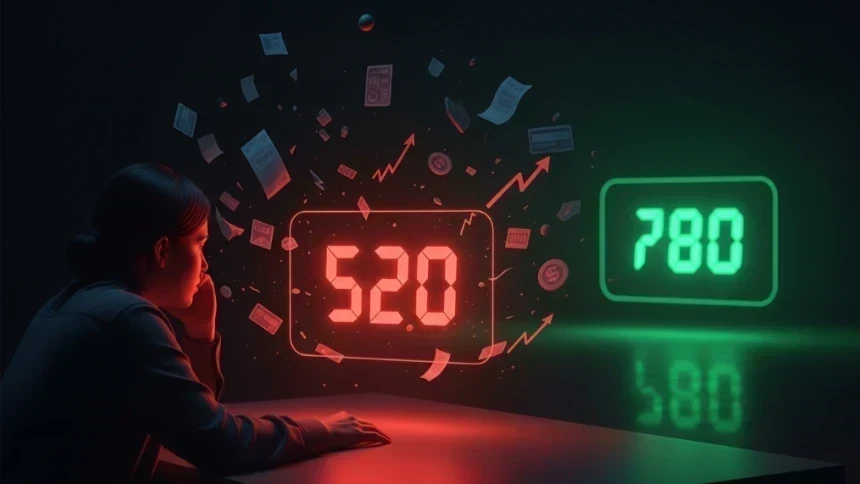
The 3-digit number destroying your finances is not something most people think about daily. Yet, it quietly influences your ability to get loans, buy a home, or even secure better financial opportunities. This number is your credit score—and ignoring it can cost you thousands over time.
At first glance, it seems harmless. Just a number between 300 and 850. But in reality, it acts like a financial reputation score. The higher it is, the more trust lenders place in you. The lower it is, the more expensive your life becomes.
Now here’s what most people don’t realize: this number doesn’t just affect big decisions like buying a house—it impacts everyday life in subtle, compounding ways.
For example, a lower credit score can mean:
Higher interest rates on credit cards
More expensive car financing
Lower chances of approval for rentals
Even higher insurance premiums in some cases
In other words, you're not just paying for what you buy—you’re paying a “penalty” for your financial past.
And this is where it gets dangerous.
Because the system is designed in a way that most people only notice their credit score when they need it. When they apply for a loan. When they get denied. When they’re offered terrible terms.
By then… the damage is already done.
What makes this even more powerful (and a bit scary) is that your credit score is constantly evolving. Every payment you miss, every balance you carry, every decision you make—it’s all being tracked and translated into that single number.
Think of it like this:
Your credit score is not just a number.
It’s a story.
A story that lenders read before they ever talk to you.
And here’s the shift that separates people who struggle financially from those who build wealth:
Most people react to their credit score.
Smart people manage it proactively.
They check it regularly.
They understand what moves it.
They make decisions today based on how it will affect that number tomorrow.
Because once you understand how this 3-digit number really works, you stop seeing it as a limitation… and start using it as a tool.
And that’s when everything changes.
Why your credit score controls more than you think
Your credit score doesn’t just affect loans. It shapes your entire financial ecosystem. From interest rates to approvals, it determines how expensive your decisions become.
The hidden cost of a low score
Imagine two people applying for the same loan. One has a high score, the other a low one. The difference? Thousands of dollars in interest over time. That’s money lost—not because of income, but because of a number.
This is why tools like the Experian Credit Monitoring Service have become increasingly popular. People are starting to realize that tracking this number is no longer optional—it’s essential.
The psychology behind financial neglect
Here’s something most people won’t admit: they avoid checking their finances because it feels uncomfortable. Ignoring the problem feels easier than facing it.
However, that avoidance creates a dangerous cycle. The less you check, the worse things can get. And by the time you realize it, the damage is already done.
Short-term thinking vs long-term wealth
Many people focus on immediate gratification—buying now, paying later. But this mindset often leads to long-term financial strain.
On the other hand, those who build wealth think differently. They treat their credit score like an asset, not an afterthought.
Some even rely on tools like the Mint Budgeting App to stay aware of their spending habits and maintain control over their finances.
How small habits quietly destroy your score
The truth is, your credit score doesn’t collapse overnight. It erodes slowly through small, repeated habits.
Common mistakes that add up
Missing payment deadlines
Using too much of your credit limit
Opening too many accounts in a short time
Ignoring old debts
Individually, these seem minor. But together, they create a pattern that signals risk to lenders.
This is where solutions like the FICO Score Tracker can make a difference, helping you identify patterns before they spiral out of control.
The turning point: awareness and action
Everything changes the moment you become aware of your financial patterns. Awareness creates control. And control leads to better decisions.
Instead of reacting to problems, you start preventing them.
Simple actions that create real impact
Check your score regularly
Pay bills on time, every time
Reduce outstanding balances
Avoid unnecessary credit applications
These steps may seem basic. But their impact compounds over time, creating a powerful shift in your financial life.
Why most people stay stuck
If the solution is so simple, why do so many people struggle?
The answer lies in consistency. People start strong but lose momentum. They treat financial health like a temporary task instead of a long-term commitment.
In other words, they focus on quick fixes instead of sustainable habits.
The emotional side of money
Money isn’t just numbers—it’s emotional. It’s tied to security, freedom, and self-worth.
That’s why a low credit score can feel overwhelming. It creates stress, limits options, and reinforces negative patterns.
But here’s the truth: your current number does not define your future. It reflects your past behavior, not your potential.
Rewriting your financial story
The moment you decide to take control, everything begins to shift. Slowly at first, then more noticeably over time.
Each on-time payment, each smart decision, each moment of discipline—it all adds up.
And eventually, that same 3-digit number that once held you back becomes a tool that works in your favor.
Don’t wait until your finances feel out of control. Check your credit score today, take one simple action, and start rebuilding your financial future. The sooner you act, the more money—and peace of mind—you’ll save.
FAQ — The 3-Digit Number That’s Destroying Your Finances
1. What is the 3-digit number mentioned in the post?
It refers to your credit score, a number that summarizes your financial behavior and directly impacts your ability to get credit, loans, and better interest rates.
2. Why does this number matter so much?
Because it determines how much you’ll pay for money. A low score means higher interest rates, while a high score gives you access to better financial opportunities and savings.
3. How quickly can I improve my credit score?
Improvements can start within a few weeks if you fix key issues like late payments or high balances, but significant changes usually take a few months of consistent good habits.
4. What is the biggest mistake people make with their credit score?
Ignoring it. Many people only check their score when they need credit, which is often too late to fix problems that have been building for months or years.
5. Is it possible to rebuild a bad credit score?
Yes. With consistent actions like paying bills on time, reducing debt, and monitoring your credit, you can gradually rebuild your score and regain financial control.
Start by observing your financial habits without judgment.
Small changes in awareness can lead to meaningful transformation over time. As you begin to understand your patterns, you’ll find it easier to make decisions that truly support the life you want.
Why Smart People Still Struggle With Money (And How to Fix It for Good)
Money Awareness Changes Everything: How One Mental Shift Can Build Real Wealth