

Stop Overpaying for Medications – Start Saving Today
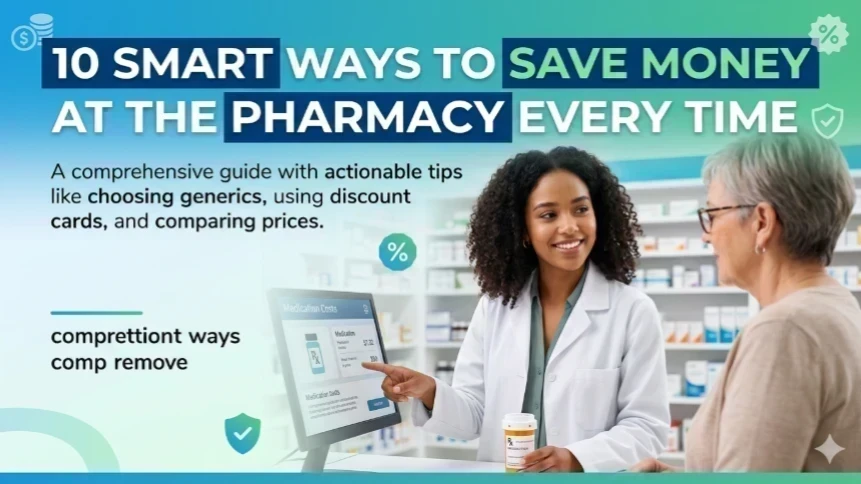
Let's face it: buying medication can hurt your wallet almost as much as the illness itself. Whether it's a monthly prescription or an occasional over-the-counter remedy, pharmacy costs add up fast. But what if we told you that you can save up to 80% on your medications without cutting corners on quality? It's true. And in this guide, we'll show you exactly how. By the end, you'll have a clear, actionable plan to slash your pharmacy bills starting from your next visit.
The Shocking Truth About Pharmacy Pricing
Did you know that the same medication can cost three times more at one pharmacy compared to another just a block away? It's a dirty secret of the industry: prices are rarely standardized. That means you're probably paying more than you need to. But knowledge is power. Once you understand how the system works, you can outsmart it. In other words, a few minutes of research can save you hundreds of dollars a year. So let's dive into the strategies that work.
1. Always Ask for the Generic Version First
Here's the easiest way to save: generics. Generic medications contain the same active ingredients as brand-name drugs and are just as effective, but they cost 30% to 80% less. In fact, according to the FDA, generics can save consumers billions of dollars each year. So next time your doctor prescribes a drug, ask: 'Is there a generic option?' If yes, request it. And if you're at the pharmacy counter, don't be shy—ask the pharmacist to switch to the generic. They'll usually accommodate. This single step can drastically cut your out-of-pocket expenses. GoodRx is a tool that helps you compare generic prices at nearby pharmacies, so you always get the best deal.
2. Compare Prices at Multiple Pharmacies
Prices vary wildly between chains like CVS, Walgreens, Walmart, and independent pharmacies. For example, a 30-day supply of common cholesterol medication might cost $15 at one place and $50 at another. How do you find the lowest price? Use a price comparison app or website. SingleCare is another excellent resource that lets you search for your medication and see a list of prices near you. Alternatively, call around—it takes ten minutes but can save you a bundle. Moreover, some pharmacies offer loyalty programs that give you discounts on future purchases. Don't just go where your prescription is sent; shop around. As a result, you might discover that an independent pharmacy offers the best rates, along with personalized service.
3. Use Prescription Discount Cards – They Work
Did you know that you don't need insurance to use a prescription discount card? Programs like GoodRx, SingleCare, and Optum Perks offer free cards that can reduce your medication costs by up to 80%. Simply show the card at the pharmacy, and the discount is applied instantly. And the best part? These cards are accepted at most major pharmacies. In fact, they often beat insurance copays, especially if you have a high deductible. That said, it's worth checking even if you have insurance—you might be surprised. So always compare the discount card price with your insurance copay to see which is lower. Pro tip: download the app and check the price before you go.
4. Buy in Bulk When Possible
If you take a maintenance medication for a chronic condition, ask your doctor for a 90-day supply instead of 30 days. Many insurance plans offer lower copays for a three-month supply. Plus, it saves you time and extra trips to the pharmacy. Even without insurance, bulk buying can lead to savings because you're paying for fewer dispensing fees. As a result, you'll also have a buffer in case of shortages. Just be sure to check expiration dates and storage instructions. Costco Pharmacy is known for low prices on bulk prescriptions, and you don't need a membership to use the pharmacy. Yes, you can walk in and buy meds even if you're not a member.
5. Ask Your Doctor for Samples or Patient Assistance Programs
Doctors often have free samples of brand-name medications. It doesn't hurt to ask—but more importantly, ask about patient assistance programs. Many pharmaceutical companies offer free or discounted medications to people who qualify based on income. Your doctor's office can help you apply. Moreover, some clinics have social workers who can guide you. This is especially useful for expensive biologics or specialty drugs. In other words, if you're struggling to afford a medication, there's help available. Don't assume you have to pay full price. And if you're prescribed an expensive drug, ask the doctor if there's a cheaper alternative.
6. Opt for Over-the-Counter When Appropriate
Sometimes a prescription can be replaced with an over-the-counter (OTC) version. For example, allergy medications like loratadine or cetirizine are available OTC for a fraction of the prescription cost. Similarly, some pain relievers and stomach medications are cheaper OTC. Check with your pharmacist or doctor if a prescription drug has an OTC equivalent. That said, always follow dosage guidelines and never self-diagnose. This can be a simple way to avoid the doctor's visit fee and the pharmacy markup. Amazon Pharmacy also offers OTC products with automatic savings subscriptions, making it convenient and cost-effective.
7. Check Your Insurance Mail-Order Options
Many health insurance plans offer a mail-order pharmacy service that delivers 90-day supplies at a lower cost than retail pharmacies. The prices are often locked in, and you avoid impulse buys at the counter. Plus, it's convenient. If your insurance has this option, use it for maintenance medications. However, be sure to compare prices with other methods—sometimes mail-order isn't the cheapest. But for many people, it's a hassle-free way to save. As a result, you'll also reduce trips to the pharmacy, which saves gas and time.
8. Always Use a Pharmacy That's In Your Insurance Network
This sounds obvious, but it's easy to forget. If your insurance has a preferred pharmacy network, using a non-network pharmacy can cost you more. Check your insurance website for a list of in-network pharmacies. And if you have a flexible spending account (FSA) or health savings account (HSA), use those pre-tax dollars to pay for medications—that's like getting an instant discount equal to your tax bracket. Moreover, some pharmacies like Walmart Pharmacy offer $4 generic lists for common medications, regardless of insurance.
9. Time Your Purchases for Discounts and Coupons
Drugs often go on sale—yes, just like groceries. Many pharmacies have weekly deals, and you can stack manufacturer coupons for extra savings. Sign up for loyalty programs at your go-to pharmacy to get notified. Also, check online coupon sites like Coupons.com for printable pharmacy coupons. Timing matters: if you can wait a few days for a medication, you might catch a sale. This works especially well for OTC items and supplements. Moreover, some stores offer a discount if you transfer a prescription to them. That said, don't delay vital medications.
10. Talk to Your Pharmacist – They're Your Best Ally
Pharmacists are the most underutilized resource in healthcare. They can suggest alternative medications, point out cheaper options, and even help you apply for assistance programs. In many states, pharmacists can prescribe certain medications, saving you a doctor's visit fee. So next time you pick up a prescription, ask: 'Is there a way to lower the cost of this?' You might be surprised at the answers. They might also recommend splitting higher-dose pills (if safe) to cut costs. In other words, your pharmacist is a wealth of knowledge—use it. Cardinal Health data shows that pharmacist interventions can reduce patient costs by an average of 20%.
Your Action Plan to Start Saving Now
You now have ten powerful strategies to reduce your pharmacy bills. But knowing isn't enough—you must act. Here’s your immediate action plan: (1) This week, use a price comparison app to check your current prescriptions. (2) Ask your doctor about generics and 90-day supplies. (3) Sign up for a discount card if you don't have one. Do these three things, and you'll likely see savings in your next purchase. Imagine the relief of having extra cash in your pocket each month—money you can use for things you actually enjoy. Don't let the system overcharge you any longer.
Stop overpaying for your medications right now! Download GoodRx or SingleCare before your next pharmacy visit and compare prices. Act now – your wallet will thank you.
FAQ – The Truth About Money and Control
1. Why do I feel out of control with money even when I earn enough?
Because control over money is not just about income — it’s about clarity, habits, and emotional awareness. Without a clear budgeting system, even high earners can feel lost.
2. What is the first step to take control of my finances?
Start with awareness. Track your spending for at least 30 days. This simple step reveals patterns and is the foundation of any effective budgeting or savings strategy.
3. How can beginners start budgeting without feeling overwhelmed?
The key is simplicity. Use a basic method like the 50/30/20 rule. Learning how to budget for beginners means starting small and building consistency over time.
4. Why do I save money but still feel financially insecure?
Because saving without a clear money saving plan creates uncertainty. You need defined goals, timelines, and purpose behind your savings to feel real security.
5. What are the most effective money saving techniques?
Automating savings, cutting invisible expenses (subscriptions), and setting spending limits are some of the most powerful and sustainable money saving techniques.
6. How do emotions affect financial decisions?
Emotions like stress, fear, and impulse can lead to overspending or avoidance. Recognizing emotional triggers is essential to regain control over your financial behavior.
7. Can a savings strategy really change my life?
Yes. A structured savings strategy builds confidence, reduces anxiety, and gives you freedom to make better long-term decisions.
8. How long does it take to feel in control of money again?
With consistent habits, most people start feeling more in control within 30 to 90 days. The key is commitment to your budgeting and money saving plan.
Continue Building Your Financial Clarity
Now that you understand why money anxiety doesn’t go away even when you earn more, the next step is learning how to build a healthier and more peaceful relationship with your money.
You don’t need to fix everything at once.
Start with one small change — one habit, one tool, or one moment of awareness — and observe how your financial mindset begins to shift over time.
You may also like:
👉 The Truth About Money Discipline No One Talks About)
👉 You Don’t Have a Money Problem — You Have a Behavior Pattern
👉 Why You Struggle With Money Even When You Know What To Do
👉 You're Not Bad with Money: You're Repeating Patterns