


Why you struggle with money even when you know what to do
If you have ever wondered why you struggle with money even when you know what to do, you are not alone. This is one of the most frustrating financial experiences: having the knowledge, but not seeing results.
You read articles, watch videos, maybe even follow experts. You understand budgeting, saving, and investing. Yet somehow, at the end of the month, you feel stuck in the same place.
That gap between knowing and doing is where most people lose control. And more importantly, it is where real change begins.
The real reason is not lack of knowledge
At first, it seems logical to think you need more information. However, the truth is the opposite. Most people already know enough to improve their finances.
What holds them back is behavior.
In other words, money is less about math and more about patterns. You do not act based on logic alone. You act based on habits, emotions, and subconscious beliefs.
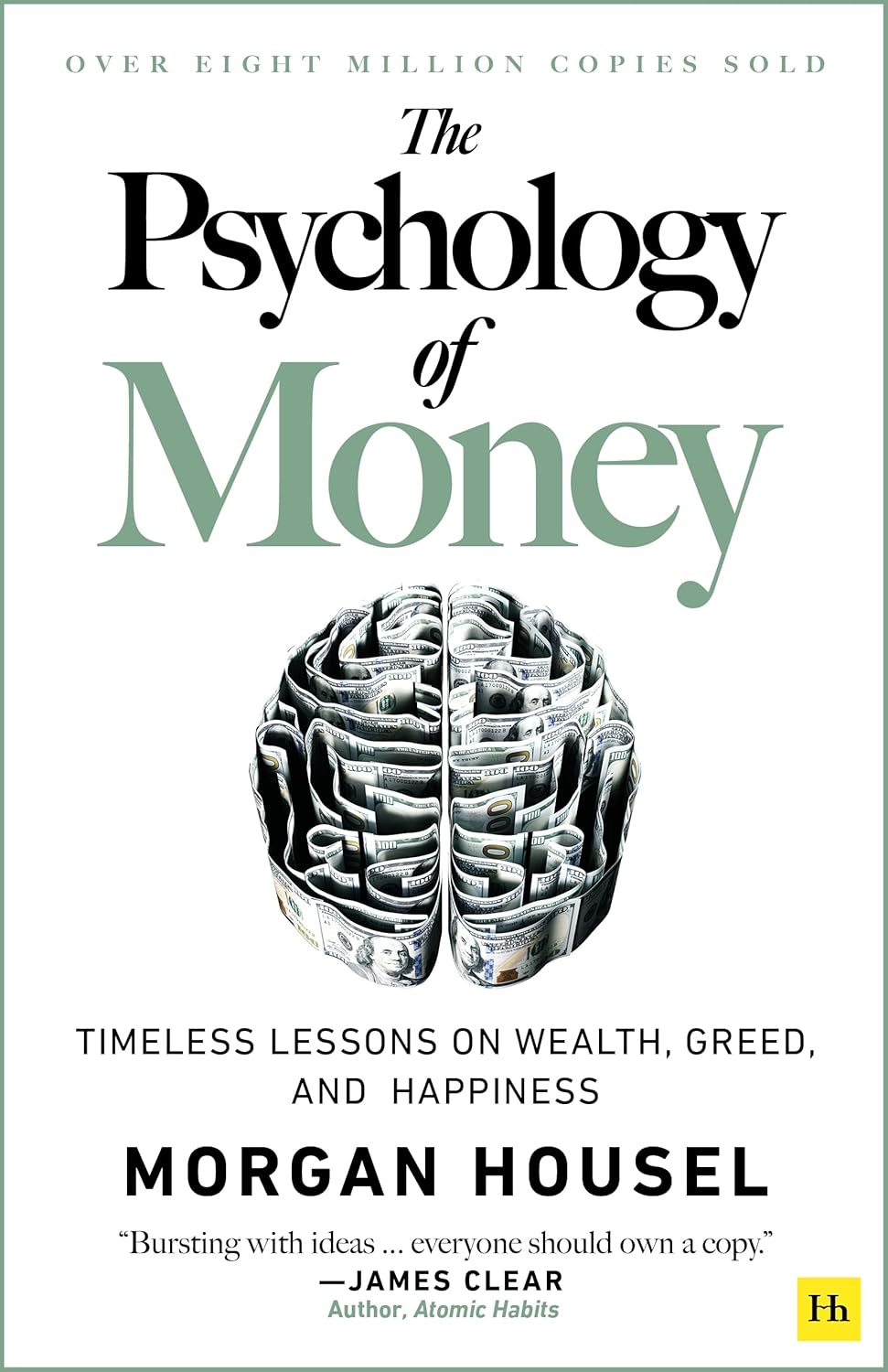
This is exactly what books like The Psychology of Money highlight: your financial life is shaped more by how you think than what you know.
The invisible conflict inside you
You want to save, but you spend. You want to invest, but you hesitate. You want to grow, but something holds you back.
This is not a lack of discipline. It is not laziness.
It is internal conflict—and it operates beneath your awareness.
Inside you, there are competing systems constantly negotiating control over your decisions.
On one side, you have your future-oriented self:
rational
strategic
focused on long-term security and growth
On the other, your present-oriented self:
emotional
reactive
focused on immediate relief, comfort, and certainty
And here’s the truth most people miss:
In the moment of decision, the present self almost always wins.
What’s actually happening in real time
When you plan to save or invest, that decision is made in a calm, logical state. You are thinking clearly, imagining a better future.
But when the moment of action arrives, your emotional system takes over.
Something triggers it:
stress after a long day
boredom or emptiness
anxiety about uncertainty
the desire for reward or control
And suddenly, the priority shifts from future benefit to present relief.
You don’t spend because you don’t care.
You spend because, in that moment, it feels like the solution.
The reinforcement loop that keeps you stuck
Every time you give in to that impulse, your brain learns something powerful:
“This works.”
Even if it’s temporary.
So the cycle becomes:
Emotional discomfort appears
You take action (spend, avoid, hesitate)
You feel immediate relief
Your brain reinforces the behavior
Over time, this loop becomes automatic.
You’re no longer choosing consciously—you’re reacting based on conditioning.
The hidden layer: identity
Now it goes even deeper.
Your actions are not just driven by emotions—they are aligned with your self-image.
You may consciously say:
“I want to be someone who saves and invests.”
But subconsciously, you might believe:
“I’m bad with money”
“I never follow through”
“Money slips away from me”
And here’s the critical insight:
Your behavior will always try to stay consistent with your identity.
So even when you try to change, there is internal resistance—because change feels like a threat to who you believe you are.
Your habits are running the show
The truth is simple but uncomfortable: your daily habits control your financial results.
Small actions, repeated consistently, create your reality. A daily coffee, an impulsive purchase, or ignoring your expenses may seem harmless. However, over time, they shape your entire financial life.
Tools like YNAB (You Need A Budget) help bring awareness to these patterns, making it easier to identify where your money actually goes.
Why habits matter more than motivation
Habits reduce decision fatigue
They operate automatically
They define long-term outcomes
That said, relying on motivation is not enough. Motivation fades. Habits stay.
Therefore, if you want to change your financial life, you must focus on building better systems, not just stronger willpower.
Emotions quietly control your money
Another key reason why you struggle with money even when you know what to do is emotional influence.
Think about it. Have you ever spent money to feel better? Or avoided checking your bank account because of anxiety?
These are not rare situations. They are common patterns.
Books like Atomic Habits indirectly reinforce this idea by showing how emotional triggers shape behavior.
Common emotional triggers
Stress leads to impulsive spending
Fear prevents investing
Anxiety causes avoidance
In other words, until you manage your emotions, your money decisions will remain inconsistent.
You are repeating hidden money patterns
Most people do not realize that their financial behavior is deeply influenced by early experiences.
Beliefs like 'money is hard to earn' or 'I am bad with money' become internal scripts. These scripts silently guide your actions.
As a result, even when you try to change, you fall back into the same patterns.
How to recognize these patterns
Notice repeated financial mistakes
Observe your reactions to money
Identify limiting beliefs
Once you become aware, you gain the power to interrupt these cycles.
What actually creates change
Real change happens when awareness meets action.
You need to slow down your decisions and question your impulses. Instead of reacting automatically, start choosing intentionally.
Moreover, focus on consistency. Small improvements, applied daily, create massive results over time.
Simple actions that work
Track your spending every day
Create clear financial boundaries
Pause before making purchases
Reward positive behaviors
These actions may seem basic. However, their impact is powerful when practiced consistently.
Why most people stay stuck
Most people try to change outcomes without changing behavior. They want more money, but keep the same habits.
This creates a loop. They feel motivated, start strong, then fall back into old patterns.
Furthermore, impatience plays a big role. People expect fast results, and when they do not see them, they quit.
But here is the truth: sustainable change takes time.
And those who stay consistent are the ones who eventually break free.
Final insight: you do not need more information
You already know more than you think.
The real transformation begins when you align your behavior with your knowledge.
When your habits, emotions, and decisions start working together, progress becomes natural.
Not instant, but inevitable.
KEEP READING — discover the next steps to reprogram your financial behavior and finally take control of your money. Your breakthrough might be closer than you think.
Why Smart People Still Struggle With Money (And How to Fix It for Good)
Money Awareness Changes Everything: How One Mental Shift Can Build Real Wealth
The Emotional Side of Financial Decisions
Money Awareness Changes Everything
FAQ — Why You Struggle with Money Even When You Know What to Do
1. Why do I struggle with money even when I understand what I should do?
Because knowing is not the same as doing. Your financial behavior is driven by habits, emotions, and subconscious patterns—not just logic. Without changing these, knowledge alone doesn’t create results.
2. Is my problem a lack of financial knowledge?
In most cases, no. You likely already know the basics of saving, budgeting, and investing. The real issue is inconsistency in applying what you know.
3. How do habits impact my financial situation?
Habits shape your reality over time. Small, repeated actions—like impulse spending or ignoring expenses—build up and define your long-term financial results.
4. Why do emotions affect my money decisions so much?
Because money is emotional. Stress can trigger spending, fear can block investing, and anxiety can lead to avoidance. These reactions often override rational thinking.
5. What are hidden money patterns?
They are unconscious beliefs formed over time, such as “I’m bad with money” or “money is hard to keep.” These beliefs silently influence your decisions and keep you stuck.
6. How can I start changing my financial behavior?
Begin with awareness. Track your spending, identify triggers, and question your decisions. Then replace automatic habits with intentional actions.
7. Why doesn’t motivation work long-term?
Motivation is temporary. It comes and goes. Real change happens through systems and habits that continue working even when you don’t feel motivated.
8. What is the first step to improving my finances?
Awareness. Once you clearly see your patterns, habits, and emotional triggers, you gain control to change them.
9. Why do I keep repeating the same financial mistakes?
Because you are following unconscious patterns. Without recognizing and interrupting them, your brain defaults to familiar behaviors—even if they are harmful.
10. Do I need more information to fix my financial life?
No. What you need is alignment. When your actions match your knowledge, progress becomes natural—and eventually, inevitable.