


You Don’t Have a Money Problem — You Have a Behavior Pattern
Here’s a truth most people avoid: you don’t actually have a money problem. What you have is a behavior pattern that keeps recreating the same financial results over and over again. And until you change that pattern, no raise, bonus, or lucky break will fix your situation.
Think about it. Have you ever earned more money, only to feel just as broke a few months later? That’s not coincidence. That’s conditioning. In other words, your habits are silently controlling your financial life.
Moreover, once you recognize this, everything changes. Because if behavior created the problem, behavior can solve it.
The Hidden Loop That Keeps You Stuck
Your financial life is not random. It follows a predictable loop: earn, spend, justify, repeat. This loop is driven by emotional triggers, not logic. As a result, even the smartest people can struggle with money.
Emotions Over Logic
Most purchases are emotional, not rational. You buy to feel better, to reward yourself, or to escape stress. That said, your brain is wired to seek immediate pleasure—even if it sabotages long-term goals.
For example, after a stressful day, you might tell yourself you deserve something nice. That small decision seems harmless, but repeated daily, it becomes a pattern that drains your finances.
The Illusion of Control
Another dangerous trap is believing you are in control when you are not. You might track expenses for a week, feel productive, and then abandon the habit. In other words, temporary effort creates a false sense of progress.
This is where tools like a Mint Budget Planner App can help—not because the tool is magical, but because it reinforces consistency. Still, without behavioral change, even the best tool becomes useless.
Why More Money Won’t Fix It
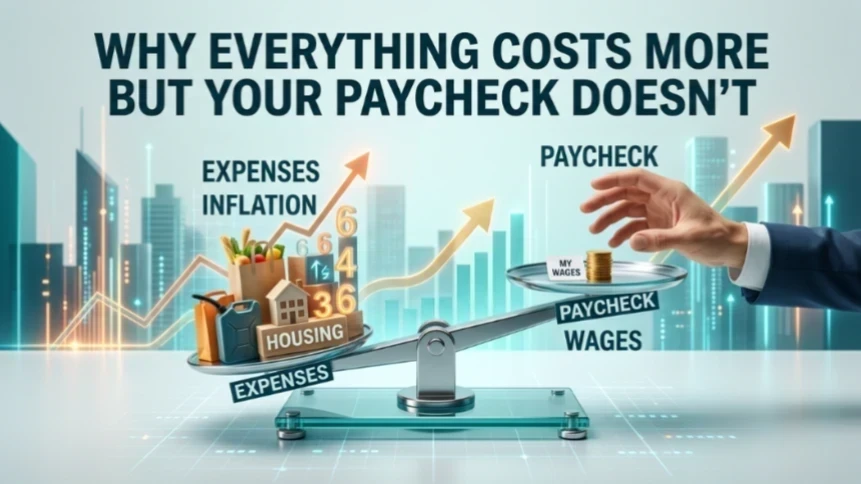
It’s tempting to believe that earning more will solve everything. However, evidence shows the opposite. People who earn more often spend more, maintaining the same level of financial stress.
Lifestyle Inflation
As income increases, so do expectations. You upgrade your car, your home, your lifestyle. Consequently, your expenses rise just as fast as your income.
This is called lifestyle inflation—and it’s one of the biggest reasons people feel stuck, regardless of how much they earn.
The Temporary High
More money creates a short-term emotional high. But like any dopamine-driven behavior, it fades quickly. Then, the cycle begins again: you chase more income instead of fixing the root cause.
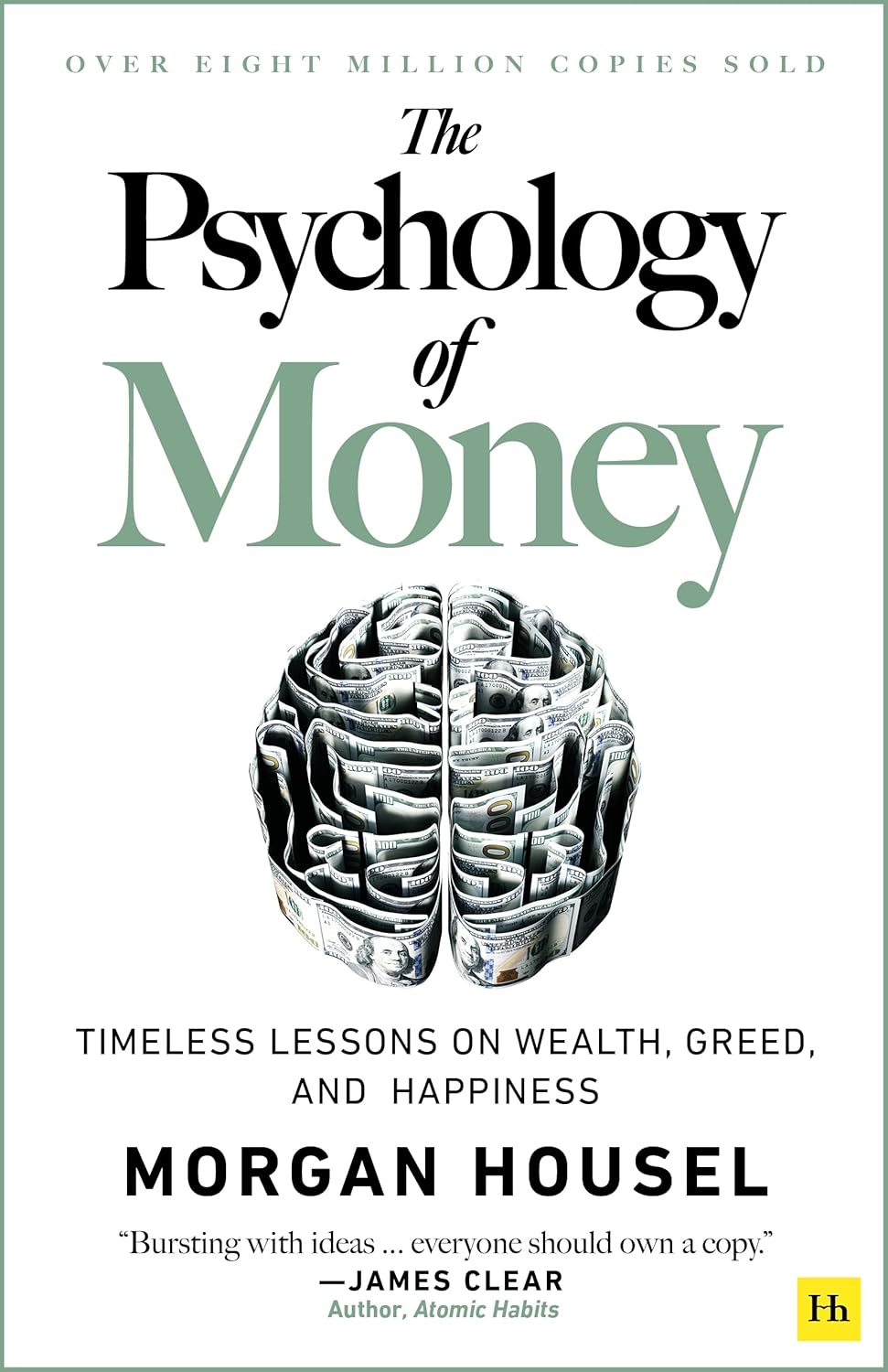
Books like The Psychology of Money by Morgan Housel explain this beautifully: wealth is not about how much you earn, but how you behave with what you have.
The Real Solution: Rewiring Your Behavior
If behavior is the problem, then behavior must be the solution. This is where real transformation begins. Not with spreadsheets, but with awareness and intentional action.
Step 1: Identify Your Patterns
Start by observing your habits without judgment. When do you spend impulsively? What triggers it? Stress? Boredom? Social pressure?
Awareness is powerful because it breaks the automatic cycle. Once you see the pattern, you can interrupt it.
Step 2: Replace, Don’t Remove
Trying to eliminate bad habits rarely works. Instead, replace them. For example, if you tend to shop online when stressed, replace that action with something that provides a similar emotional reward—like exercise or journaling.
This approach works because your brain still gets the reward, just in a healthier way.
Step 3: Build Friction
Make bad habits harder to execute. Remove saved credit cards from websites. Unsubscribe from promotional emails. Delay purchases by 24 hours.
These small barriers create space between impulse and action. And in that space, better decisions are made.
Step 4: Automate Good Decisions
Automation removes the need for willpower. Set up automatic savings, investments, and bill payments.
Platforms like Acorns Investment App are powerful because they make investing effortless. As a result, you build wealth without relying on daily discipline.
The Emotional Shift That Changes Everything
Financial transformation is not just practical—it’s emotional. You must shift how you see money, yourself, and your future.
From Scarcity to Control
Scarcity thinking says, “There’s never enough.” Control thinking says, “I decide what happens next.” This shift is subtle but powerful.
When you feel in control, you stop reacting emotionally and start acting intentionally.
From Short-Term to Long-Term
Every financial decision is a trade-off between now and later. Successful people prioritize the future without completely sacrificing the present.
In other words, they balance enjoyment with discipline. And that balance creates sustainable growth.
Social Proof: You’re Not Alone
Millions of people struggle with money—not because they lack intelligence, but because they were never taught how behavior impacts finances.
Moreover, once they understand this, change becomes possible. Stories of financial transformation almost always start with one realization: “I was the pattern.”
And the moment you accept that, you gain the power to rewrite it.
Practical Actions You Can Start Today
If you’re ready to break the cycle, start small but start now. Momentum is more important than perfection.
Track your spending for 7 days without judgment
Delay every non-essential purchase by 24 hours
Automate at least one financial action (saving or investing)
Identify one emotional trigger and plan a replacement behavior
These actions may seem simple, but they compound over time. And that’s where real change happens.
The Truth Most People Avoid
You don’t need more money to fix your life. You need a new pattern. That might feel uncomfortable, but it’s also incredibly empowering.
Because if behavior created your current reality, behavior can create a better one.
And unlike external factors, your behavior is something you can control—starting today.
Stop waiting for more money to change your life. Take control of your behavior now, break the cycle, and start building the financial future you deserve—one intentional decision at a time.
FAQ — You Don’t Have a Money Problem — You Have a Behavior Pattern
1. What does it mean to have a behavior pattern with money?
It means your financial situation is largely shaped by repeated habits and emotional decisions, not just how much you earn. Small daily actions—like impulsive spending or avoiding financial planning—create patterns that determine your long-term results.
2. Why do I feel broke even when I earn more money?
Because of something called lifestyle inflation. As your income increases, your expenses often rise as well. Without changing your behavior, you end up maintaining the same financial pressure, just at a higher level.
3. Can I fix my finances without increasing my income?
Yes. In many cases, changing your behavior—spending more intentionally, saving consistently, and avoiding impulsive decisions—can dramatically improve your financial situation even without earning more.
4. What are the most common bad money habits?
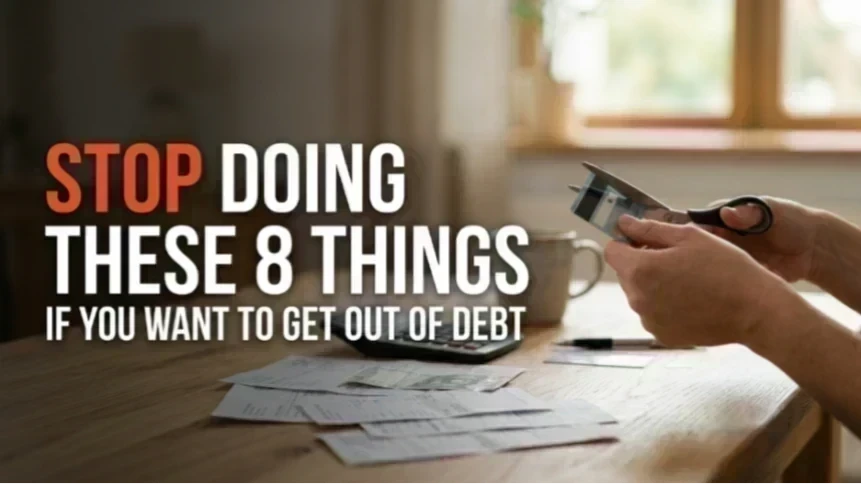
Some of the most common include emotional spending, lack of budgeting, ignoring expenses, relying on credit excessively, and delaying financial decisions. These habits often happen automatically, without conscious awareness.
5. How do I identify my financial behavior patterns?
Start by tracking your spending and observing your emotions around money. Ask yourself what triggers your purchases—stress, boredom, or social pressure. Awareness is the first step to breaking the cycle.
6. What is the fastest way to change my financial behavior?
Focus on small, consistent actions. For example: delay purchases by 24 hours, automate savings, and remove easy access to spending (like saved credit cards). These simple changes create powerful long-term results.
7. Do budgeting apps really help?
They can help, but only if used consistently. Tools are useful for visibility and organization, but real change comes from your behavior. Without that, even the best app won’t make a difference.
8. Is financial success more about mindset or strategy?
Both matter, but mindset often comes first. A strong financial strategy won’t work if your behavior doesn’t support it. When your mindset shifts, your actions—and results—follow.
9. How long does it take to change financial habits?
It varies, but meaningful change can begin within weeks if you stay consistent. Long-term transformation usually happens over months as new habits replace old patterns.
10. What’s the first step I should take today?
Start simple: track everything you spend for the next 7 days. No judgment—just awareness. This alone can reveal patterns that have been silently controlling your finances.
Start by observing your financial habits without judgment. Small changes in awareness can lead to meaningful transformation over time. As you begin to understand your patterns, you’ll find it easier to make decisions that truly support the life you want.
Why Smart People Still Struggle With Money (And How to Fix It for Good)
Money Awareness Changes Everything: How One Mental Shift Can Build Real Wealth