

Why Your Credit Score Matters More Than You Think
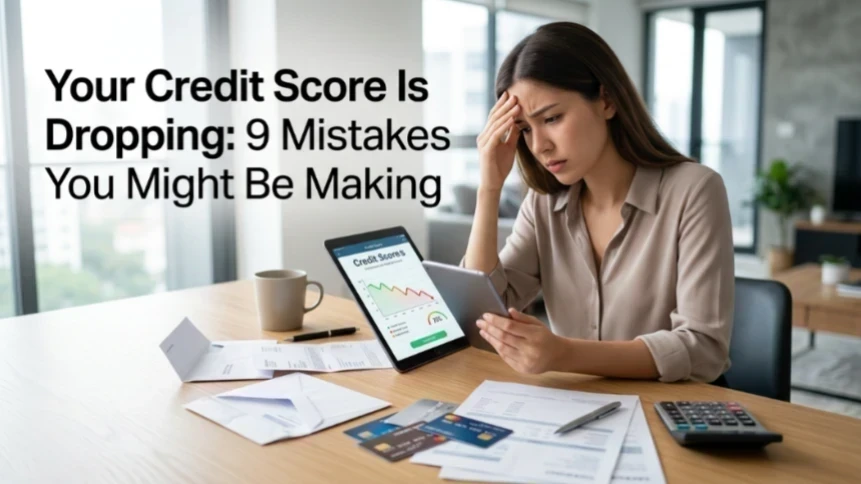
Your credit score is not just a number—it is a silent financial force shaping your entire economic life. From the moment you apply for a credit card to the day you finance a home, this three-digit number determines how much you pay, what you qualify for, and how quickly you can build wealth. In other words, ignoring your credit score is like leaking money every single month without noticing.
Most people assume that as long as they can make payments, they are financially safe. However, that belief hides a dangerous truth: a low or average credit score can quietly cost you thousands of dollars over time. Higher interest rates, hidden fees, and limited opportunities slowly drain your financial potential.
Moreover, lenders do not see you—they see your score. And based on that number alone, they decide whether you are trustworthy or risky. As a result, even a small difference in your score can translate into massive financial consequences.
The Invisible Cost of Interest Rates
One of the biggest ways your credit score costs you money is through interest rates. If your score is low, lenders compensate for the perceived risk by charging higher interest. This means you pay significantly more over time for the same loan compared to someone with a higher score.
For example, imagine two people applying for the same car loan. One has excellent credit, while the other has average credit. The difference in interest rates could mean paying thousands more over the life of the loan—money that could have been invested or saved.
Tools like the Experian Boost Credit Builder help individuals improve their credit score by adding positive payment history, making it easier to access better rates. Even small improvements can create a powerful ripple effect in your finances.
How Your Credit Score Impacts Everyday Life
Many people believe credit scores only matter when applying for loans. That is a costly misconception. In reality, your credit score influences multiple aspects of your daily life, often in ways you may not even notice.
Landlords, insurance companies, and even some employers may review your credit history. Therefore, a lower score can limit your opportunities and increase your expenses across different areas of life.
Renting, Insurance, and Hidden Barriers
When renting a home, landlords often check your credit score to evaluate reliability. A low score might result in higher security deposits or even rejection. Similarly, insurance companies may use credit-based scores to determine premiums, meaning you could be paying more simply because of your credit profile.
In addition, certain job roles—especially those involving financial responsibility—may include credit checks during the hiring process. Consequently, your score can indirectly affect your income potential.
Services like Credit Karma Monitoring Tool allow you to track changes in your credit profile in real time. Staying informed empowers you to make decisions that protect your financial reputation and avoid unnecessary costs.
The Psychology Behind Credit and Money Loss
Understanding why your credit score costs you money requires more than numbers—it requires understanding behavior. Many financial mistakes are not due to lack of knowledge but rather habits and emotional decisions.
People often delay checking their credit, avoid dealing with debt, or underestimate the impact of small financial choices. However, these behaviors compound over time, creating a snowball effect that damages your score and increases costs.
Small Mistakes, Big Consequences
Missing a single payment may seem insignificant, but it can have a lasting impact on your credit score. Similarly, maxing out credit cards—even temporarily—can signal financial instability to lenders.
Furthermore, applying for too many credit lines in a short period can lower your score, making you appear desperate for credit. These subtle signals can dramatically influence how lenders perceive you.
Using structured tools like the Self Credit Builder Account can help create disciplined financial habits while improving your credit profile. Over time, consistency becomes your strongest financial advantage.
How to Stop Losing Money and Take Control
The good news is that your credit score is not permanent. With the right strategy, you can improve it and start saving money almost immediately. The key is consistency and awareness.
First, always pay your bills on time. Payment history is the most significant factor affecting your score. Even one missed payment can have a noticeable impact.
Second, reduce your credit utilization. Ideally, you should use less than 30% of your available credit. Lower utilization signals financial control and boosts your score.
Third, avoid unnecessary credit applications. Each inquiry can slightly lower your score, so it is important to apply only when necessary.
Finally, review your credit report regularly. Errors are more common than most people think, and correcting them can lead to immediate improvements.
The Power of Long-Term Strategy
Improving your credit score is not about quick fixes—it is about building a sustainable financial identity. Over time, good habits compound, leading to lower costs, better opportunities, and increased financial freedom.
Moreover, a strong credit score gives you leverage. It allows you to negotiate better rates, access premium financial products, and make confident decisions without financial stress.
In other words, your credit score is not just a reflection of your past—it is a tool that shapes your future.
What Happens When You Improve Your Score
Once you start improving your credit score, the benefits become clear almost immediately. Lower interest rates mean lower monthly payments. Better approval odds open doors to new opportunities. And most importantly, you regain control over your financial life.
Additionally, improved credit can lead to higher credit limits, which further reduces your utilization ratio and strengthens your profile. This creates a positive cycle that accelerates your financial growth.
As a result, what once cost you money now becomes a tool for saving and investing. That shift is where real financial transformation happens.
The Hidden Opportunity Most People Miss
Here is the truth: most people never fully optimize their credit score. They settle for average, not realizing how much money they are leaving on the table. This creates a massive opportunity for those willing to take action.
By focusing on your credit score today, you are not just fixing a number—you are unlocking future savings, better opportunities, and long-term financial stability.
Think about it: every dollar saved on interest is a dollar that can be invested, spent on experiences, or used to build a better life. Over time, those savings can add up to tens of thousands of dollars.
If you are serious about taking control of your finances, now is the moment to act. Check your credit score, identify what is holding you back, and start improving it today. The longer you wait, the more money you lose—so take the first step now and turn your credit score into your strongest financial asset.
FAQ
1. How does a credit score affect my finances?
Your credit score directly impacts the interest rates you receive, your chances of loan approval, insurance premiums, and even rental applications. A lower score usually means higher costs over time.
2. What is considered a good credit score?
A good credit score typically falls between 670 and 739. Scores above 740 are considered very good to excellent and usually qualify for the best financial terms.
3. How can I improve my credit score quickly?
You can improve your score by paying bills on time, reducing your credit card balances, avoiding unnecessary credit applications, and checking your credit report for errors.
Start by observing your financial habits without judgment.
Small changes in awareness can lead to meaningful transformation over time. As you begin to understand your patterns, you’ll find it easier to make decisions that truly support the life you want.
Why Smart People Still Struggle With Money (And How to Fix It for Good)
Money Awareness Changes Everything: How One Mental Shift Can Build Real Wealth