



You're Not Bad with Money — You're Following a Script
If you've ever told yourself that you're bad with money, stop for a second. That belief might be the very thing keeping you stuck. The truth is, you're not bad with money—you are simply repeating patterns you never consciously chose. And once you see this, everything starts to shift.
From childhood, we absorb ideas about money without even realizing it. Maybe you grew up hearing that money is scarce, stressful, or even something to feel guilty about. Over time, those messages turn into automatic behaviors that quietly control your financial life.
Moreover, your brain is wired for familiarity, not success. That means even unhealthy financial habits can feel "safe" simply because they are known. As a result, you keep repeating cycles that don't serve you—without understanding why.
The Invisible Pattern Running Your Life
Think about your financial behavior for a moment, but this time with a little more honesty and less judgment. Do you spend, regret, and then quietly promise yourself it won’t happen again—only to repeat the same cycle days later? Do you avoid opening your banking app because, deep down, you already feel a subtle tension in your chest? Or maybe every financial decision, even a small one, seems to carry an invisible weight of anxiety. These reactions may feel personal, even like flaws, but they are not random. They are patterns—predictable, learned, and reinforced over time.
What makes this even more powerful is that most of these patterns operate below your awareness. For example, impulse spending is rarely about the object itself. It is often a quick emotional escape—a way to soften stress, loneliness, or even boredom. In that moment, the purchase feels like relief, not a mistake. Only later does logic return, bringing regret with it.
Avoiding financial decisions follows a similar path. It is not laziness—it is protection. Your mind is trying to shield you from discomfort, uncertainty, or even past experiences where money created tension or conflict. So instead of facing it, you delay, hoping the feeling will pass. But the cost of avoidance quietly grows in the background.
Then there is guilt—the subtle but heavy feeling that can appear even when you are doing the “right” thing. You save money, invest, or say no to a purchase, and instead of feeling empowered, you feel restricted or uneasy. This often comes from deeply rooted beliefs, like the idea that money should be spent to be enjoyed, or that having more somehow creates distance from others.
And perhaps the most powerful pattern of all is the belief that you will never have enough. This belief doesn’t just influence what you do—it shapes how you see every opportunity. Even when progress happens, it feels fragile, temporary, almost like it could disappear at any moment. So you act from scarcity, even when abundance is possible.
In other words, your financial behavior is not driven by a lack of intelligence or discipline—it is driven by emotional responses that were learned, repeated, and normalized. And until you pause long enough to recognize these patterns as patterns, not truths, nothing truly changes. Awareness is the moment where the automatic becomes optional.
The Emotional Side of Money You Can't Ignore
Money is never just about numbers. It is deeply emotional. In fact, most financial decisions are driven by feelings rather than logic. That is why budgets alone often fail—they ignore the emotional layer.
For example, someone who experienced financial instability growing up might overspend when they finally earn more. Not because they are irresponsible, but because they are subconsciously trying to compensate for past scarcity.
On the other hand, someone who associates money with conflict may avoid dealing with finances altogether. As a result, problems silently grow in the background.
How Emotions Sabotage Your Financial Growth
You might know exactly what to do—save more, invest wisely, spend less. Yet something holds you back. That something is emotional conditioning.
Anxiety triggers impulsive spending
Fear leads to financial avoidance
Guilt limits your ability to grow wealth
That said, bringing awareness into your daily habits can be transformative. A simple tool like the Smart Financial Planner can help you track not only your money, but also the emotions tied to your decisions—revealing patterns you never noticed before.
Breaking the Cycle: Reprogram Your Money Mindset
Here is the empowering truth: patterns can be changed. You are not stuck. However, real change starts with awareness, not willpower.
Instead of judging yourself, start observing. When you catch yourself making a financial decision, pause and ask: "What pattern am I repeating right now?" This question alone can interrupt automatic behavior.
Moreover, awareness removes shame—and where there is no shame, there is space for growth.
Practical Steps to Change Your Financial Patterns
If you want to shift your financial reality, you need consistent, intentional action. Here are a few steps that truly work:
Track your spending alongside your emotions
Identify triggers that lead to poor decisions
Create small, repeatable financial habits
Rewrite limiting beliefs about money
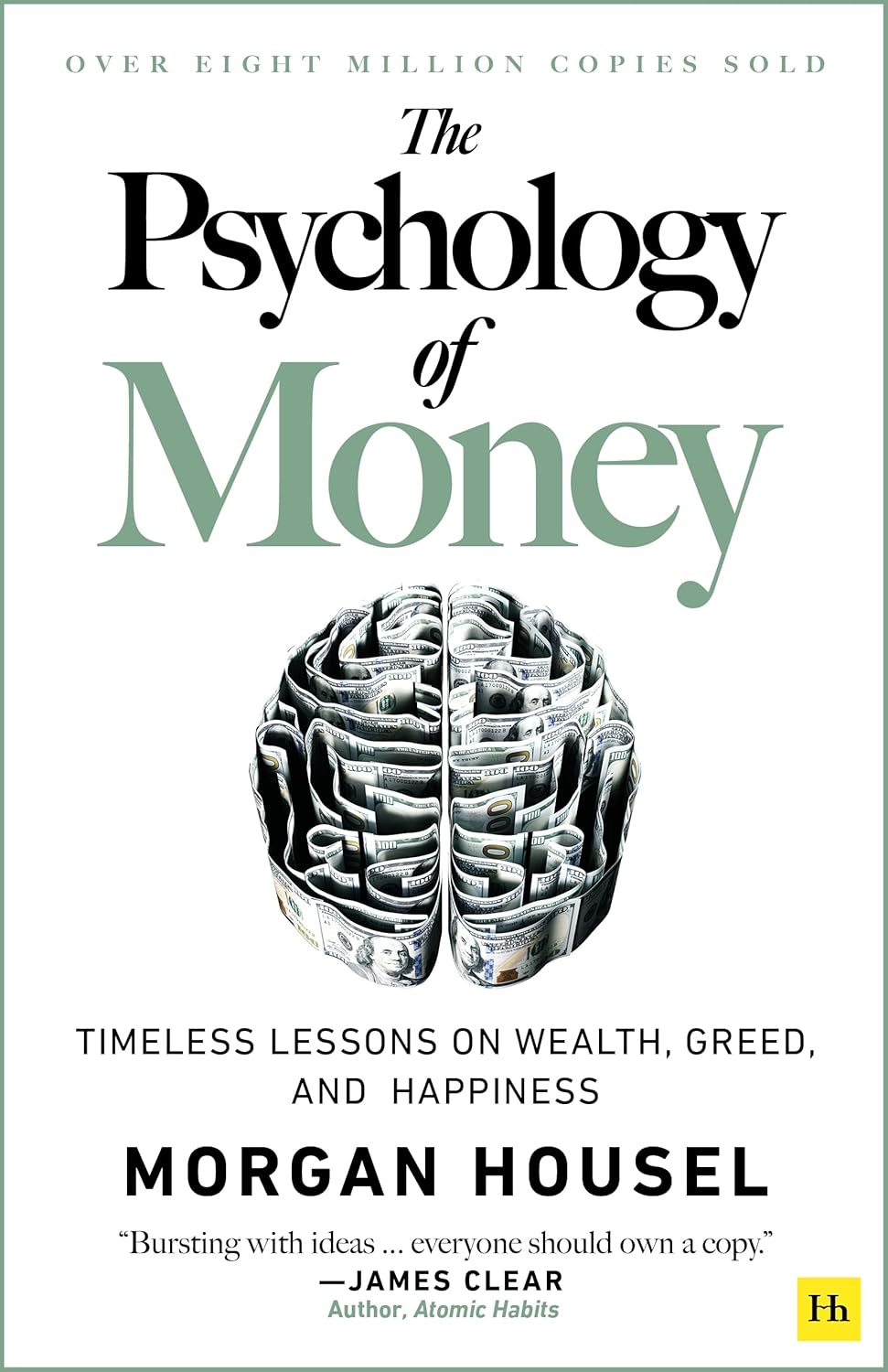
Additionally, educating yourself is essential. Resources like the Psychology of Money Book provide deep insights into how behavior shapes financial outcomes—often more than income itself.
You Don't Have to Do This Alone
Many people struggle silently with money, believing they are the problem. But the truth is, millions of others are dealing with the same patterns. You are not alone.
In fact, seeking support—whether through tools, content, or guidance—can accelerate your progress in ways you might not expect.
Furthermore, when you surround yourself with the right systems and insights, change becomes easier and more natural.
Building a New Financial Identity
Imagine becoming someone who feels calm, confident, and in control of money. That identity is not out of reach—it is built through small, consistent actions.
Over time, new patterns replace old ones. What once felt difficult becomes automatic. And slowly, your financial life begins to reflect those changes.
Digital tools like the Premium Budgeting App can reinforce this new identity by keeping you organized, focused, and motivated on a daily basis.
The Turning Point Starts Now
You are not broken. You are patterned. And patterns can be rewritten.
Right now, you have a choice: continue repeating unconscious cycles or start building a new financial story with intention and clarity.
Because once you understand the root of your behavior, you gain the power to change it.
Stop living on financial autopilot. Take control today. Identify your patterns, break the cycle, and step into a future where your money decisions are aligned with the life you truly want. The change starts with you—right now.
FAQ – Breaking Financial Patterns
1. Why do I feel like I never improve my financial life, even when I try?
Because the problem isn’t just your actions—it’s the invisible patterns driving them. Without identifying those patterns, you keep repeating the same behaviors, even with the best intentions.
2. How do I know if I’m stuck in a negative financial pattern?
If you find yourself in repeated cycles—spend, regret, promise to change—you’re likely stuck in a pattern. Avoiding your finances, feeling anxious about money, or lacking consistency are also strong signs.
3. Is it really possible to change my relationship with money?
Yes—and often faster than you think. When you replace guilt with awareness and start acting intentionally, new patterns begin to replace the old ones.
4. Why isn’t knowing what to do enough to change?
Because money behavior isn’t just logical—it’s emotional. You can know exactly what to do, but if emotional triggers aren’t addressed, you’ll keep sabotaging your own progress.
5. What is the real first step to breaking the cycle?
Awareness. Start observing your financial habits without judgment. Understand when, how, and why you make decisions. This alone begins to break the autopilot.
6. How long does it take to change financial habits?
It depends on consistency, not speed. Small daily changes lead to powerful long-term transformation. The key is to start—and keep going.
7. Do I need to earn more money to fix my finances?
Not necessarily. Many people earn more and still struggle because they keep the same patterns. Change the behavior first, and the money will follow.
8. What if I’ve tried to change before and failed?
You didn’t fail—you were trying to change without understanding the root cause. Now, with awareness of your patterns, you finally have the power to do it differently.
Start by observing your financial habits without judgment. Small changes in awareness can lead to meaningful transformation over time. As you begin to understand your patterns, you’ll find it easier to make decisions that truly support the life you want.
Why Smart People Still Struggle With Money (And How to Fix It for Good)
Money Awareness Changes Everything: How One Mental Shift Can Build Real Wealth