
7 Money Mistakes Keeping You Broke
There is a silent pattern that separates people who build wealth from those who constantly struggle just to pay their bills.
It is not only about salary.
It is not luck.
And many times, it is not even a lack of intelligence.
The difference usually lies in invisible financial habits.
Small decisions repeated every day create two completely different paths.
One leads to financial freedom.
The other keeps a person trapped in a cycle of financial survival.
Most people never realize they are making mistakes that sabotage their own prosperity.
In this in-depth guide, you will discover:
The 7 most common money mistakes
Why the human brain falls into these traps
How to change your financial mindset
Strategies to build wealth consistently
If you want to transform your relationship with money, this content can be a turning point.
1. Not Knowing Where Your Money Is Going
The first financial mistake is surprisingly simple:
not knowing where your money is going.
Many people work hard, receive their paycheck, pay their bills… and at the end of the month the money simply disappears.
This happens because the human brain struggles to track small repetitive expenses.
For example:
daily coffee
food delivery apps
forgotten subscriptions
impulse purchases
Each expense seems small.
But together they can consume a significant portion of your income.
How to fix it
Start by tracking every expense for 30 days.
This simple exercise creates financial awareness, which is the foundation of change.
2. Living Above Your Financial Means
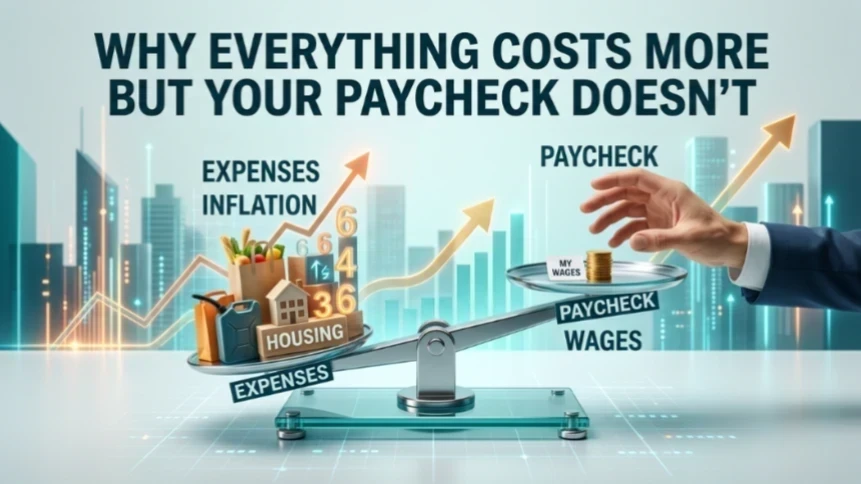
One of the biggest enemies of wealth is a phenomenon called lifestyle inflation.
This happens when income increases, but expenses rise at the same pace.
A classic example:
salary increases
the person buys a new car
moves to a bigger house
increases entertainment spending
The result: income grows, but wealth does not.
Financially intelligent people do the opposite.
They maintain part of their current lifestyle while directing the increase in income toward investments and wealth building.
3. Using Credit as an Extension of Your Income
Credit cards can be useful tools.
But for many people, they become psychological traps.
When we use credit, the brain feels less financial pain.
That happens because the payment does not occur immediately.
Studies in behavioral finance show that people spend up to 30% more when using cards instead of cash.
Without discipline, credit can easily create a cycle of debt that is difficult to escape.
4. Not Having an Emergency Fund
Unexpected situations happen.
health problems
job loss
unexpected repairs
family emergencies
Without financial reserves, any unexpected event turns into debt.
An emergency fund creates something extremely valuable:
psychological security.
Experts recommend saving three to six months of essential expenses.
5. Not Investing Your Money
Another common mistake is leaving all your money sitting still.
Many people believe investing is complicated or risky.
But there is a silent problem called inflation.
Inflation slowly reduces your purchasing power over time.
If your money does not grow, it loses value.
Investing allows your money to work for you.
Even small amounts invested consistently can grow significantly over the years.
6. Not Learning About Money
Most schools teach mathematics.
But very few teach real financial education.
That means many adults make important financial decisions without the knowledge to support them.
Learning about money completely changes how you:
spend
save
invest
plan your future
The good news is that today there is an enormous amount of accessible content about personal finance.
Financial knowledge is one of the investments with the highest possible return.
7. Not Having Clear Financial Goals
The human brain needs direction.
When there is no clear goal, money simply gets spent.
People who build wealth usually have goals such as:
buying a home
building long-term wealth
achieving financial independence
creating security for their family
When there is a goal, every financial decision begins to have purpose.
And that completely changes spending behavior.
The Psychology Behind Financial Decisions
Our brains were not designed to deal with modern money systems.
They evolved to make quick survival decisions.
This creates several behavioral biases:
preference for immediate rewards
difficulty thinking long term
social influence on spending decisions
Marketing companies understand these triggers extremely well.
That is why impulse consumption is so common.
When you understand these mechanisms, it becomes much easier to make conscious financial decisions.
How to Start Transforming Your Financial Life
Financial change does not happen overnight.
But small, consistent decisions create extraordinary results over time.
Some practical actions include:
creating a monthly budget
eliminating unnecessary expenses
building an emergency fund
investing regularly
setting clear financial goals
These habits may seem simple.
But when repeated over years, they create financial stability and long-term growth.
Why This Type of Content Can Generate High Traffic and AdSense Revenue
Content about financial mistakes has strong traffic potential because it answers common questions like:
why am I still broke
financial mistakes that keep you poor
bad money habits
how to improve your financial life
These searches are made millions of times every year.
Deep, well-structured articles have a strong chance of appearing:
in Google search results
in recommended content feeds
in AI assistant responses
The more qualified traffic a page receives, the higher the monetization potential through Google AdSense.
Conclusion
Most people do not struggle financially because they lack ability.
They struggle because they are trapped in invisible financial habits.
Avoiding these seven mistakes already puts you ahead of a large portion of the population.
Building wealth is not only about earning more money.
It is about how you think, decide, and act with money.
Small changes today can completely transform your financial reality in the future.
Start Your Financial Transformation Today
If this content helped you see your financial habits from a new perspective, continue exploring our blog.
Here you will find deep content about:
financial education
wealth building
investing for beginners
money mindset
Save this article and share it with someone who also wants to improve their financial life.
Because sometimes a single insight can completely change a person’s financial future.
FAQ — Frequently Asked Questions About Financial Mistakes
1. What are the most common financial mistakes people make?
Some of the most common financial mistakes include living above your means, not tracking expenses, relying too heavily on credit cards, failing to build an emergency fund, and not investing for the future.
2. Why do many people stay broke even when their income increases?
This often happens because of lifestyle inflation, where spending rises along with income. Instead of saving or investing more, people upgrade their lifestyle and end up with little or no wealth accumulation.
3. How can I start fixing my financial mistakes?
Begin by tracking your expenses, creating a realistic budget, reducing unnecessary spending, paying off high-interest debt, and starting a simple savings or investment plan.
4. Is it possible to build wealth even with a modest income?
Yes. Consistent saving, disciplined spending, and long-term investing can help people build wealth over time, even with an average income.
5. How important is financial education?
Financial education is extremely important because it helps you understand how money works, how to avoid debt traps, and how to make smarter decisions about saving and investing.
6. What is the best way to stop impulse spending?
One effective strategy is the 24-hour rule: wait at least 24 hours before buying non-essential items. This reduces emotional spending and helps you make more rational financial decisions.
7. How much should I save for an emergency fund?
Financial experts usually recommend saving three to six months of essential living expenses in an emergency fund to protect against unexpected events.
8. What is the first step toward financial freedom?
The first step is awareness. Understanding your income, expenses, debts, and financial habits allows you to create a clear plan for improving your financial future.
Continue Building Your Financial Clarity
Now that you understand why money anxiety doesn’t go away even when you earn more, the next step is learning how to build a healthier and more peaceful relationship with your money.
You don’t need to fix everything at once.
Start with one small change — one habit, one tool, or one moment of awareness — and observe how your financial mindset begins to shift over time.
You may also like:
👉 The Truth About Money Discipline No One Talks About)
👉 You Don’t Have a Money Problem — You Have a Behavior Pattern
👉 Why You Struggle With Money Even When You Know What To Do
👉 You're Not Bad with Money: You're Repeating Patterns