

If you want to save money, start by looking at what you keep buying without really thinking about it. The most expensive spending habits are not always the dramatic ones. Sometimes they are the tiny purchases, subscriptions, convenience fees, duplicates, and emotional treats that happen so automatically you barely register them anymore.
And if you have been feeling financially overwhelmed lately, there is something important to understand: you can be functioning and still not be okay. You can go to work, pay your bills, take care of everyone else, and still feel like your money disappears faster than it should. That does not automatically mean you are irresponsible.
Modern life creates an enormous amount of mental noise. When you are tired, overstimulated, rushing, or quietly burned out, convenience becomes incredibly powerful. You buy the thing because it is easier. You order the meal because you cannot think about dinner. You renew the subscription because canceling it feels like another task. You click purchase because, for a few minutes, it gives you something pleasant to focus on.
That is why learning what to stop buying to save money can be more useful than creating another complicated budget. The goal is not to make your life miserable. The goal is to notice where your money is leaving on autopilot.
1. Stop Buying Things You Already Own
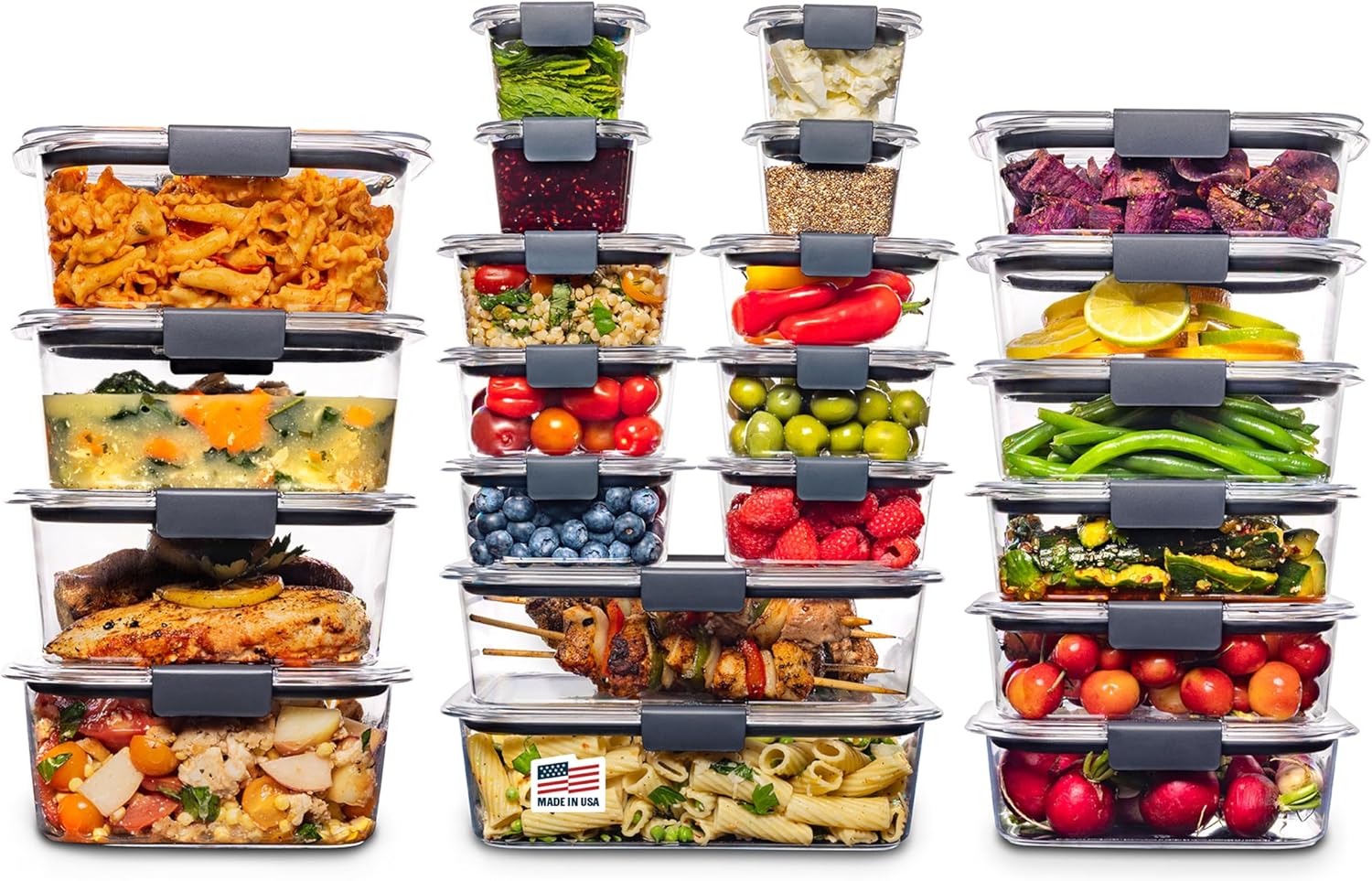
One of the easiest ways to save money is to stop replacing things you already have. It sounds obvious, but mental overload makes duplicate purchases surprisingly common.
How many water bottles are sitting in your kitchen? How many black leggings, phone chargers, storage containers, candles, notebooks, beauty products, or cleaning supplies are hiding in drawers because you forgot you had them?
When your home becomes visually crowded, finding what you own becomes harder. As a result, you buy another version of something you already purchased. The cycle continues because the problem is not always a lack of money. Sometimes it is a lack of visibility.
Try a one-minute inventory
Before buying a nonessential item, ask yourself three questions: Do I already own something that does this job? Have I used the version I already own recently? Would I still want this if I had to wait seven days?
A simple organization tool can help make this easier. Something as ordinary as a label maker can make storage more visible and reduce the frustration of searching through crowded spaces. The point is not to buy more organizational products. It is to make what you already own easier to see and use.
2. Stop Buying Bottled Water and Disposable Drinks When You Can Avoid Them
Bottled drinks can feel inexpensive because each purchase is relatively small. That is exactly why they can become a silent money leak.
A few dollars here and there may not feel important when you are standing in a grocery store, gas station, airport, or office lobby. But repeated purchases can quietly become a monthly expense you never intentionally chose.
More importantly, convenience spending often happens when you are already mentally exhausted. You are thirsty, you are busy, and grabbing something cold is easier than thinking ahead.
Make the convenient choice the cheaper choice
If you genuinely enjoy cold water throughout the day, make it easy to carry your own. A reusable bottle such as a Stanley Quencher can become part of your normal routine if you like having a drink with you wherever you go. The financial lesson is bigger than the bottle itself: when the better financial choice is convenient, you are more likely to repeat it.
You do not need to eliminate every occasional drink. The goal is to stop paying a convenience premium every day without realizing it.
3. Stop Buying Takeout Because You Are Too Tired to Decide
Takeout is not the enemy. Automatic takeout caused by mental fatigue is the habit worth examining.
This is especially important if you are juggling work, family responsibilities, errands, appointments, and the invisible mental load of remembering everything. By the end of the day, deciding what to cook can feel like one more demand on an already exhausted brain.
So you order. Then you order again tomorrow. Then the weekend arrives and ordering feels normal.
The problem is not one restaurant meal. The problem is the repetition.
Create an emergency food plan
Instead of expecting yourself to cook a perfect dinner every night, create three extremely easy meals for exhausted days. Keep ingredients available and remove as many decisions as possible.
You might use a slow cooker, frozen vegetables, simple proteins, or pantry staples. A product such as a Crock-Pot slow cooker can fit naturally into this kind of routine because it can make a basic meal easier to prepare when your energy is low.
Saving money becomes much easier when you stop demanding perfection from yourself. You are not trying to become someone who loves cooking every night. You are trying to create an easier alternative to spending money when your brain is done for the day.
4. Stop Paying for Subscriptions You Barely Use
Unused subscriptions are one of the most frustrating forms of spending because they can continue long after the original excitement disappears.
You signed up for the streaming service because there was a show you wanted to watch. You started the fitness app because Monday was going to be different. You subscribed to the premium version of an app because the free trial sounded useful.
Then life happened.
Months later, the charge is still appearing.
Do a subscription reset
Look through your bank and credit card statements and list every recurring charge. Do not rely on memory. Memory is exactly what lets small charges survive.
For each subscription, ask:
Did I use this during the last 30 days?
Would I sign up for it again today?
Does it solve a real problem in my current life?
Would I notice if the charge disappeared?
If the answer is no, cancel it. You can always subscribe again later if you genuinely need it.
5. Stop Buying Things to Make Yourself Feel Better
This one can be uncomfortable because emotional spending is rarely about the object itself.
Sometimes you are not buying the sweater. You are buying the feeling of being refreshed. You are not buying the skincare product. You are buying the hope that tomorrow will feel more put together. You are not buying the expensive coffee because you desperately need coffee. You are buying a tiny moment that feels like it belongs to you.
There is nothing wrong with wanting pleasure. The problem begins when shopping becomes your fastest response to stress, boredom, loneliness, frustration, or burnout.
Pause before the purchase
When you feel the urge to buy something unnecessary, wait ten minutes. Step away from the screen. Drink water. Take a short walk. Write down what you are actually feeling.
Ask yourself, What do I want this purchase to make me feel?
That question can reveal more than another budgeting spreadsheet ever will. Sometimes the answer is comfort. Sometimes it is control. Sometimes it is recognition. Sometimes you are simply exhausted.
Once you identify the emotion, you can look for a cheaper way to meet the underlying need.
6. Stop Buying Convenience When a Simple Alternative Exists
Convenience is valuable, but it becomes expensive when you pay for it automatically.
Think about delivery fees, premium shipping, pre-cut foods, prepared drinks, rides for short distances, expensive coffee on the way to work, or paying someone to handle a task you could reasonably do yourself.
None of these purchases are automatically bad. The problem is when convenience becomes your default setting.
Try choosing one category where you will slow down. Maybe it is coffee. Maybe it is grocery delivery. Maybe it is food delivery. Maybe it is buying lunch near the office.
You do not have to eliminate convenience everywhere. You only need to notice where convenience is quietly becoming a recurring bill.
7. Stop Buying Clothes Because You Have Nothing to Wear
Feeling like you have nothing to wear while owning a closet full of clothes is often a sign that the problem is not quantity. It is clarity.
Fast fashion and constant online promotions make it incredibly easy to add another item. A sale creates urgency. A limited-time offer creates fear of missing out. A new season creates the feeling that what you already own is somehow outdated.
Then the package arrives, the excitement fades, and your closet is even harder to manage.
Build outfits instead of collections
Before buying clothing, identify several complete outfits you can create with what you already own. If a new item does not work with multiple pieces you already have, it may not deserve a place in your budget.
A temporary shopping pause can also be powerful. Thirty days without buying nonessential clothing can reveal how often the urge is emotional rather than practical.
8. Stop Buying Gadgets That Promise to Fix Your Life
There is a particular kind of spending that feels productive even when it is not: buying a product because you believe it will finally make you more organized, healthier, calmer, or disciplined.
Maybe the new gadget will make you exercise. Maybe the new planner will make you organized. Maybe the latest kitchen device will make you cook every night.
Sometimes these products genuinely help. But buying a tool is not the same thing as changing a habit.
Before purchasing, ask whether you have already tried to solve the problem with something you own. If the answer is yes, ask whether the new product actually removes an obstacle or simply gives you a temporary feeling of starting over.
That distinction matters because the emotional reward of a new purchase can be surprisingly powerful. You feel hopeful before the product even arrives. But if the underlying problem is exhaustion, lack of time, or unrealistic expectations, the excitement may disappear quickly.
9. Stop Buying Things Because Everyone Else Has Them
Social pressure can quietly reshape your spending without you noticing.
You see someone with the newest phone. A friend recommends an expensive skincare routine. Everyone at work goes out for lunch. Your social feed is filled with home upgrades, travel, clothes, gadgets, and perfectly organized spaces.
Suddenly, your normal life can feel like it is missing something.
This is where comparison becomes expensive.
Define what enough means for you
Instead of asking whether you can afford something, ask a deeper question: Does this purchase belong in the life I am actually trying to build?
You might be able to afford a purchase and still decide that it is not worth the trade-off. That is not deprivation. That is financial clarity.
And financial clarity can be incredibly calming when you have been living in a constant state of mental overload.
The Real Goal Is Not to Buy Nothing
Saving money does not mean turning your life into a punishment. You do not need to eliminate every pleasure, cancel every subscription, cook every meal from scratch, or refuse to buy anything enjoyable.
The real goal is to stop spending automatically.
There is a huge difference between saying, I cannot have this and saying, I could buy this, but I would rather use that money for something that matters more to me.
The second mindset creates freedom.
Moreover, intentional spending can reduce the emotional pressure that often comes with budgeting. Instead of constantly feeling guilty about every purchase, you begin separating meaningful spending from unconscious spending.
A Simple 7-Day Spending Reset
If you want to see how much of your spending is driven by habit, try a seven-day reset. You do not need a complicated spreadsheet.
Write down every nonessential purchase before making it.
Wait ten minutes before impulse purchases.
Check whether you already own something similar.
Pause unused subscriptions.
Prepare one easy meal before ordering takeout.
Carry water and a basic snack when you leave home.
At the end of the week, review what you almost bought and what you actually bought.
The last step is where the insight happens. You may discover that your biggest problem was not shopping. It may have been exhaustion. Or convenience. Or boredom. Or trying to reward yourself after difficult days.
That realization matters because you cannot fix a spending pattern you do not understand.
Saving Money Starts With Paying Attention
If you have been financially stressed, mentally tired, and wondering why your money never seems to stretch far enough, give yourself some credit. You are living in an environment designed to make spending incredibly easy.
Every scroll can become a purchase. Every subscription can renew silently. Every stressful day can become an excuse for convenience. Every promotion can make something unnecessary feel urgent.
That does not mean you have no control. It means your financial environment deserves more attention.
Start with one category. Stop one recurring purchase. Use what you already own. Give yourself a pause before buying something emotionally charged. Then watch what happens.
Small changes can create more than extra money. They can create breathing room.
Do not wait for the perfect budget or the perfect month to start. Look at your spending today, choose one thing to stop buying, and keep that money for the life you are actually building. Your reset can begin with one decision.
And remember: the point is not to become someone who never spends money. The point is to become someone who knows why she spends it. Once that clarity returns, saving can stop feeling like another exhausting responsibility and start feeling like a quiet form of self-respect.
Frequently Asked Questions
What are the best things to stop buying if you want to save money?
The best things to stop buying are usually the purchases you make repeatedly without thinking about them. This can include unused subscriptions, frequent takeout, bottled drinks, impulse purchases, duplicate household items, unnecessary clothing, convenience purchases, and products bought because they promise to make life easier or better. The goal is not to stop spending completely, but to identify spending that does not add enough value to justify its cost.
How much money can you save by stopping unnecessary purchases?
The amount depends on your current spending habits, but small purchases can add up surprisingly fast. Cutting just $5 a day from unnecessary spending could free up around $150 a month, or $1,825 a year. The biggest savings often come from recurring expenses and habits rather than one-time purchases.
Why do I keep buying things I don't really need?
Many unnecessary purchases are connected to emotions rather than actual needs. Stress, boredom, loneliness, mental fatigue, frustration, and the desire for a reward can all trigger spending. When you are emotionally exhausted, buying something can provide a quick feeling of comfort or control. Recognizing the emotion behind the purchase can make it much easier to change the habit.
How can I stop impulse buying without feeling deprived?
Instead of telling yourself that you can never buy something, create a waiting period. Give yourself 10 minutes for small purchases and 24 to 48 hours for larger ones. During that time, ask whether you actually need the item, already own something similar, and would still want it if there were no sale or limited-time promotion. This creates space between the emotion and the purchase.
Should I stop buying takeout to save money?
You do not necessarily need to eliminate takeout completely. The bigger issue is automatic takeout caused by exhaustion or lack of planning. If you regularly order food because you are too tired to decide what to cook, creating a few extremely simple emergency meals can reduce spending without making your life harder. Saving money works better when the alternative is realistic.
Are subscriptions really a big problem for your budget?
They can be. Individual subscriptions may seem inexpensive, but several small recurring charges can become a significant annual expense. Review your bank and credit card statements and identify every subscription you are paying for. If you have not used a service recently or would not sign up for it again today, consider canceling it.
How do I know whether a purchase is a need or an emotional purchase?
Ask yourself what you expect the purchase to change emotionally. If you are buying something because you are stressed, bored, frustrated, lonely, or hoping to feel more successful or organized, there may be an emotional reason behind the purchase. That does not automatically make the purchase wrong, but understanding the motivation gives you more control.
Is buying cheap clothing actually saving money?
Not necessarily. Cheap clothing can become expensive when you buy frequently, rarely wear the items, or replace them quickly. Instead of focusing only on the price tag, consider how often you will realistically wear something and whether it works with clothes you already own. Buying fewer pieces that you genuinely use can often save more money over time.
Why does convenience spending become so difficult to control?
Convenience spending becomes difficult to control because it solves an immediate problem. When you are tired, busy, or mentally overloaded, paying a little extra feels easier than spending time preparing, comparing, planning, or waiting. The solution is not necessarily eliminating convenience. It is identifying which conveniences are worth paying for and which have simply become automatic habits.
Can saving money actually reduce financial stress?
Yes. Saving money can create a sense of breathing room because it reduces the feeling that every unexpected expense could become a crisis. Even a small emergency fund or consistent savings habit can provide psychological benefits. More importantly, intentional spending can reduce the guilt and uncertainty that often come from wondering where your money went.
What should I stop buying first if I am living paycheck to paycheck?
Start with recurring expenses and spending habits that have little impact on your quality of life. Review subscriptions, frequent takeout, convenience purchases, impulse shopping, unused memberships, and recurring fees. Avoid trying to eliminate everything at once. Finding one or two meaningful expenses to reduce is more sustainable than creating an extreme budget you cannot maintain.
Does saving money mean giving up everything I enjoy?
No. Effective saving is not about removing every enjoyable part of your life. It is about spending intentionally. You can still enjoy restaurants, entertainment, travel, hobbies, beauty products, or other things that matter to you. The key is deciding what deserves your money instead of allowing stress, advertising, comparison, and habit to make every decision for you.
What is the easiest way to start saving money today?
Choose one purchase you make regularly that you can comfortably stop or reduce. Cancel one unused subscription, skip one unnecessary delivery, use something you already own, or wait before making an impulse purchase. Then move the money you would have spent into savings. A small action today can be more powerful than another financial plan you never start.