
You may be losing money — and not even realize it.
It’s not a lack of effort. It’s not a lack of intelligence. More often than not, the problem lies in seemingly small decisions that, over time, create a silent… yet devastating financial impact.
In 2026, with the rise of digital finance, accessible investments, and easy credit, the game has changed. Access has increased — but so have the mistakes.
If you want to grow financially, you need to do something simple yet powerful: stop making the mistakes that drain your money every single day.
This guide reveals the most common errors — and how to avoid them before they compromise your future.
Why Do Small Financial Mistakes Cost So Much?
There’s an invisible force in personal finance: accumulation.
A seemingly small fee. An impulsive decision. A delay of just a few days. Individually, they may seem irrelevant.
But together?
They create a domino effect that erodes your income, reduces your ability to invest, and keeps you stuck in the same place.
The difference between those who thrive and those who stagnate isn’t just how much they earn — it’s how much they stop losing.
1. Ignoring Hidden Fees
This is one of the most expensive — and most common — mistakes.
Administrative fees, bank charges, investment costs, withdrawal fees… all of these can go unnoticed. But by the end of the month, the impact is real.
What to do:
Always read the fine print before signing up for any service
Compare financial institutions
Choose options with lower operational costs
Simple rule: if you don’t understand how much you’re paying, you’re probably paying too much.
2. Ignoring Timing in Decisions
Timing isn’t about luck — it’s about strategy.
Entering an investment too late or exiting too early can drastically reduce your gains. The same applies to purchases, negotiations, and major financial decisions.
Classic example:
Buying impulsively at a peak and selling out of fear at a low.
How to avoid it:
Avoid emotion-based decisions
Analyze the situation before acting
Have a clear plan
3. Making Impulsive Decisions
Impulse is one of your money’s biggest enemies.
Promotions, artificial urgency, fear of missing out… all of these trigger fast — and often wrong — decisions.
Warning signs:
Buying without research
Deciding under pressure
Justifying the purchase afterward
Practical strategy:
Always wait 24 hours before making any significant financial decision.
4. Underestimating Small Expenses
The classic “it’s just a little.”
Daily coffee, forgotten subscriptions, recurring purchases… they seem harmless, but they add up.
Reality:
Small recurring expenses can represent thousands over the course of a year.
Solution:
Review your expenses monthly
Eliminate what adds no value
Automate your financial tracking
5. Not Having a Financial Plan
Without direction, any path will do — and that’s dangerous.
Many people earn well but don’t grow financially because they lack strategy.
What a plan does:
Defines priorities
Prevents waste
Creates consistent growth
6. Relying on a Single Source of Income
In 2026, relying on one income stream is risky.
Market shifts, crises, or unexpected events can directly impact your stability.
Smart alternative:
Build multiple income streams — even if they start small.
7. Ignoring Financial Education
You don’t need to be an expert, but you must understand the basics.
Without knowledge, you become vulnerable to mistakes, scams, and poor decisions.
Invest in:
Reading
Educational content
Continuous learning
8. Not Building an Emergency Fund
Unexpected events happen. Always.
Without a safety net, any problem turns into debt.
Goal:
Save 3 to 6 months of living expenses.
9. Using Credit Without Strategy
A credit card is not extra income.
Used carelessly, it becomes a trap with high interest rates.
Rule:
If you can’t pay it off in full, think twice.
10. Following the Crowd Without Thinking
Many financial decisions are based on what “everyone else is doing.”
That’s dangerous.
What works for others may not work for you.
11. Not Reviewing Contracts and Services
You might be paying for things you don’t even use.
Old plans, duplicate services, forgotten subscriptions…
Simple action:
Do a full review every 3 months.
12. Letting Money Sit Idle
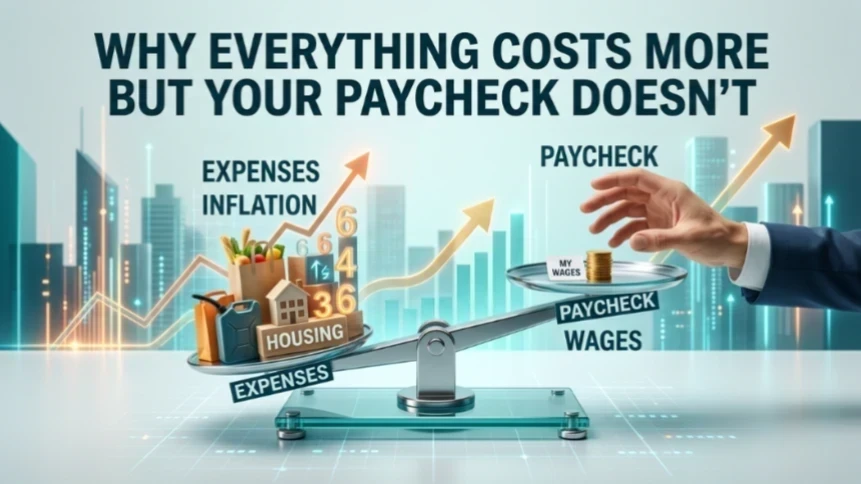
Inflation erodes your money’s value.
Leaving money uninvested means losing purchasing power.
13. Not Setting Clear Goals
Without goals, there’s no measurable progress.
Financial goals create focus and discipline.
14. Mixing Emotions with Money
Fear, anxiety, excitement — all influence decisions.
But money requires logic.
15. Delaying Important Decisions
“I’ll deal with this later.”
That “later” is expensive.
The longer you wait, the more opportunities you lose.
The Pattern Behind All These Mistakes
All these mistakes share one thing in common:
Lack of financial awareness.
When you start observing your habits, decisions, and patterns, everything changes.
You begin to act with intention — and that transforms your results.
How to Turn the Game in Your Favor
You don’t need to be perfect.
But you do need to be consistent.
Start with three simple steps:
Identify where you’re losing money
Eliminate waste
Build smart financial habits
Small changes lead to big results over time.
The Cost of Not Changing
Ignoring these mistakes comes at a price.
And it doesn’t show up all at once — it appears little by little, every day.
Money that could be growing… disappears.
Opportunities pass.
And worst of all: you stay in the same place.
Conclusion: Stop Losing to Start Winning
Before you can earn more, you need to stop losing.
That’s the real turning point.
Every mistake avoided is money saved. Every conscious decision is a step toward financial freedom.
Change doesn’t start when you earn more.
It starts when you decide to do better with what you already have.
Complete FAQ – Financial Mistakes, Fees, and Smart Decisions
1. Why do I feel like I make money but never manage to save?
This usually happens due to invisible financial leaks: fees, small recurring expenses, and impulsive decisions. The problem isn’t just how much you earn — it’s how much slips away unnoticed.
2. How can I identify hidden fees that are draining my money?
Review your bank statements, contracts, and financial apps. Look for maintenance fees, interest charges, administrative costs, and embedded investment fees. If something isn’t clear, that’s already a warning sign.
3. What is the real impact of small fees over time?
Huge. Even a seemingly low fee can significantly reduce your returns over the years, especially in investments. The effect is silent but cumulative.
4. What does “financial timing” mean and why is it important?
Timing refers to acting at the right moment. Buying, investing, or selling at the wrong time can lead to losses or reduced gains. It’s not about predicting the future, but about acting with strategy and information.
5. How can I avoid impulsive financial decisions?
Create a gap between desire and action. Wait at least 24 hours before making any significant financial decision. This simple habit drastically reduces mistakes.
6. How do I know if I’m spending out of need or impulse?
Ask yourself: “Does this solve a real problem or just a temporary desire?” If it’s driven by emotion, it’s likely impulse.
7. Can small expenses really hurt my financial life?
Yes. The accumulation of small, frequent expenses can add up to significant amounts over time, affecting your ability to save and invest.
8. What’s the best way to control small expenses?
Track everything. Use apps, spreadsheets, or even simple notes. What isn’t tracked can’t be controlled.
9. Why is not having a financial plan so dangerous?
Without a plan, you operate on autopilot. This increases the risk of waste, poor decisions, and lack of financial growth.
10. Does having multiple income streams really make a difference?
Yes. Diversifying income reduces risk and increases financial security. Relying on a single source can be risky in unstable situations.
11. How can I start creating a second source of income?
Start simple: use skills you already have, explore online income opportunities, or begin small side projects. The key is to take the first step.
12. Why is financial education so important?
Because it gives you decision-making power. Without knowledge, you become vulnerable to mistakes, debt, and poor opportunities.
13. How much should I have in an emergency fund?
Ideally, 3 to 6 months of living expenses. This provides security in unexpected situations without relying on debt.
14. Is a credit card a villain or an ally?
It depends on how you use it. With control, it can be useful. Without strategy, it becomes a major source of debt.
15. How do I know if I’m using credit the wrong way?
If you’re financing purchases unnecessarily, missing payments, or relying on your credit limit to live, there’s a problem.
16. Is following financial trends a good idea?
Not always. What works for others may not work for you. Decisions should be based on your reality, not the crowd.
17. How often should I review my expenses and contracts?
Ideally, review expenses monthly and contracts or services every three months.
18. Is leaving money idle really a problem?
Yes. Inflation reduces purchasing power. Idle money loses value over time.
19. Why are financial goals so important?
They provide direction, focus, and motivation. Without goals, you can’t measure progress or maintain discipline.
20. Do emotions really affect financial decisions?
Absolutely. Fear, anxiety, and excitement can lead to poor decisions. The ideal approach is to act with logic and planning.
21. Can procrastinating financial decisions hurt me?
Yes. Delaying important decisions costs you time, money, and growth opportunities.
22. What is the first step to stop losing money?
Awareness. Identify where your money is going and eliminate waste immediately.
23. Is there a simple formula to improve my financial life?
Yes: spend less than you earn, avoid recurring mistakes, and invest consistently.
24. Is it possible to improve my financial situation starting from zero?
Yes. With discipline, knowledge, and better decisions, anyone can achieve financial growth.
25. What is the biggest mistake of all?
Believing that small decisions don’t matter. They are exactly what build — or destroy — your financial life over time.