

What is money anxiety and why it keeps you stuck?
Money anxiety is not really about money—it is about perception, control, and fear. And if you have ever felt overwhelmed, stuck, or constantly worried about your finances, you are not alone. The truth is, most people struggling financially are not just dealing with numbers. They are dealing with invisible emotional triggers that silently shape their decisions.
In other words, money anxiety creates a mental loop. You worry about money, avoid looking at it, make reactive decisions, and then feel worse afterward. As a result, you stay stuck in the same financial position, no matter how much you earn.
That said, bringing awareness into your routine can change everything. Even something simple like using a weekly budget planner can create clarity and reduce the chaos that feeds anxiety.
The hidden cycle of financial stress
The cycle is subtle—but that is exactly what makes it so dangerous. It doesn’t announce itself loudly. It builds quietly, almost invisibly, until it starts influencing your decisions without permission.
It begins with uncertainty. A simple doubt: “Am I doing this right?” or “Is this enough?” That small gap in clarity creates mental discomfort.
Then comes fear. Not always intense—but constant. A background noise that whispers scarcity, risk, and insecurity. Your mind starts preparing for problems that haven’t even happened yet.
As a result, you move into avoidance. You delay checking your bank account. You postpone financial decisions. You tell yourself you’ll deal with it later. But “later” becomes a pattern.
And then, almost as a release valve, comes impulsive action. Spending to feel relief. Deciding quickly just to escape the discomfort. It feels like control—but it’s actually reaction.
What makes this cycle powerful is repetition. The more it happens, the more automatic it becomes. Eventually, it stops feeling like a pattern—and starts feeling like your personality.
However, the moment you notice this sequence, something shifts.
Awareness creates a pause.
And in that pause, you gain something most people never access: choice.
Instead of reacting, you observe. Instead of escaping, you respond. Instead of repeating, you redirect.
That is where real change begins.
Not when you make more money.
Not when everything is “perfect.”
But when you stop operating on autopilot—and start making conscious decisions.
Because in the end, financial control is not built in spreadsheets.
It is built in awareness.
Hidden triggers of money anxiety you may not notice
Most people think their financial stress comes from lack of money. But more often, it comes from hidden triggers operating in the background. These triggers are emotional, psychological, and deeply ingrained.
Social comparison pressure
Scrolling through social media can quietly damage your financial confidence. You see people traveling, buying, achieving—and your brain interprets it as a gap between where you are and where you should be.
As a result, you may feel urgency to catch up. This often leads to overspending, even when you know better. Moreover, it creates a constant feeling of not being enough.
Lack of financial clarity
Uncertainty is one of the biggest anxiety triggers. Not knowing how much you earn, spend, or owe creates mental overload. And when your brain feels overwhelmed, it tends to avoid the problem entirely.
Tools like the Mint budgeting app help you visualize your finances clearly, which reduces uncertainty and brings a sense of control back into your life.
Past financial experiences
Your past shapes your present more than you realize. If you have experienced debt, instability, or financial fear before, your brain may still be operating from that place—even if your situation has improved.
In other words, your current financial behavior might be a response to old emotional patterns, not your current reality.
How to rewire your financial mindset
If money anxiety starts in the mind, that is exactly where transformation needs to happen. The good news is: you can reprogram your relationship with money through consistent, intentional actions.
Awareness changes everything
When you identify a trigger, you weaken its power. Instead of reacting automatically, you begin to respond consciously. This shift alone can dramatically change your financial outcomes.
Small wins build real confidence
Many people believe confidence comes after financial success. But the truth is the opposite. Confidence is built through small, consistent wins.
Saving a little, tracking expenses, and making intentional choices create momentum. As a result, anxiety decreases and control increases.
Discipline creates freedom
Discipline is often misunderstood as restriction. In reality, it is a tool for liberation. When you have structure, you reduce emotional decision-making.
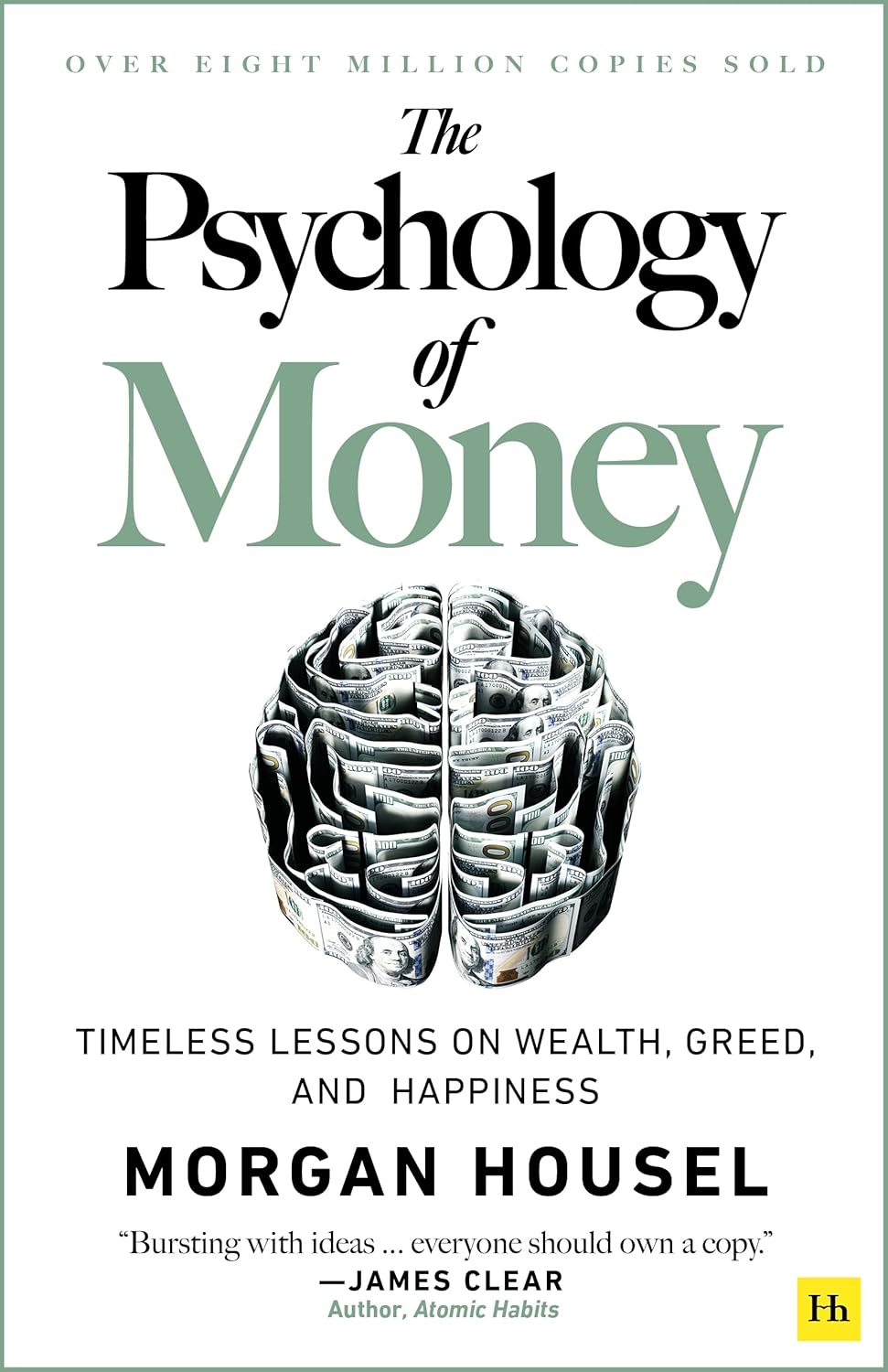
Reading something like Rich Dad Poor Dad can reinforce this mindset shift and help you see money from a completely different perspective.
The real cost of ignoring money anxiety
Ignoring money anxiety does not make it disappear—it amplifies it. And the cost is not just financial. It affects your mental health, your relationships, and your ability to make clear decisions.
Moreover, anxiety leads to procrastination. You delay important actions, avoid planning, and stay in reactive mode. Over time, this creates a gap between where you are and where you could be.
The silent damage
Perhaps the most dangerous part is how normal it starts to feel. Living in constant financial stress becomes your baseline. And when stress feels normal, growth feels uncomfortable.
However, breaking this pattern is possible—and it starts with a decision to face, not avoid, your financial reality.
Practical steps to take back control
You do not need a perfect plan to start. You just need action. Small, consistent actions create powerful long-term results.
Track every expense for awareness
Avoid making emotional financial decisions
Create simple, realistic financial goals
Review your finances weekly
Additionally, remind yourself that progress is built over time. Consistency always beats intensity when it comes to financial growth.
You are not stuck because of money—you are stuck because of patterns you can change. Start today. Take one small step, gain one small win, and build the financial control you deserve. Your future is shaped by what you do now.
Alternative Investments: Diversify Beyond Stocks and Bonds
REITs (Real Estate Investment Trusts): Passive Real Estate Income
Bonds and Fixed Income: Stable Returns for Conservative Investors
Money Clarity Starts in the Mind
1. What are the hidden triggers behind money anxiety?
Hidden triggers are subconscious patterns like fear of scarcity, social comparison, lack of financial clarity, and past negative experiences with money. They silently influence your decisions, often without you realizing it, keeping you stuck in cycles of stress and poor financial choices.
2. Why does money anxiety make people stay broke?
Because it creates avoidance and emotional decision-making. Instead of planning, people delay, overspend, or act impulsively. Over time, these behaviors destroy consistency—the one factor that actually builds wealth.
3. Can you really control money anxiety, or is it permanent?
Money anxiety doesn’t completely disappear, but it can be managed and reduced significantly. With awareness, discipline, and consistent financial habits, it loses control over your decisions and stops dictating your life.
4. What is the first step to breaking financial anxiety?
Awareness. When you recognize your triggers and patterns, you interrupt automatic behavior. This shift from reaction to intention is where real financial transformation begins.
5. How do small actions reduce financial stress?
Small actions create a sense of control. Tracking expenses, saving even a little, and reviewing your finances regularly builds confidence. Over time, this consistency replaces fear with clarity and security.
6. Why do people feel anxious about money even when they earn well?
Because anxiety is not about how much you earn—it’s about how you perceive and manage money. Without clarity and emotional control, higher income often leads to higher stress, not freedom.
7. How long does it take to overcome money anxiety?
There is no fixed timeline. However, with daily awareness and consistent habits, many people start feeling more in control within weeks. Long-term transformation comes from sustained discipline over time.