
Lifestyle Inflation: The Silent Enemy of Long-Term Wealth
For many people, earning more money feels like undeniable progress. A raise signals recognition. A promotion represents growth. A successful business or additional income stream creates the sense that financial stability is finally within reach. These moments are often celebrated as milestones—the reward for years of effort and persistence.
And for a short time, they are.
Increased income brings relief, confidence, and optimism. It feels like momentum. The future appears more manageable, and financial stress seems poised to fade. But for a surprising number of households, this feeling doesn’t last. Despite higher earnings, long-term wealth remains out of reach. Savings fail to grow meaningfully. Financial pressure returns. The promised sense of security never fully settles in.
The reason is rarely obvious.
Lifestyle inflation doesn’t arrive as a warning sign. It doesn’t feel reckless or irresponsible. It enters quietly, disguised as improvement. Small upgrades are justified as deserved. Convenience is framed as efficiency. Higher expenses feel like a natural reflection of success rather than a risk to stability. Each individual choice makes sense on its own.
Collectively, they change everything.
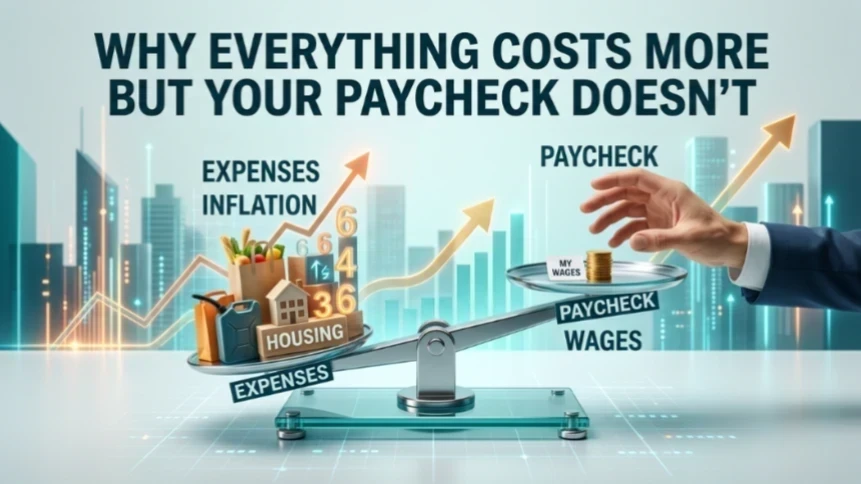
Lifestyle inflation is one of the most common and least discussed forces undermining financial progress because it operates below awareness. It doesn’t feel like overspending—it feels like living better. It feels earned, reasonable, and aligned with growth. But over time, it absorbs income gains, increases fixed obligations, and reduces financial margin.
What makes lifestyle inflation especially dangerous is that it delays its consequences. The impact doesn’t show up immediately. It appears slowly, as savings stagnate, flexibility shrinks, and dependence on continued income growth increases. Wealth-building becomes something that’s always planned for later, never fully activated.
Without awareness, income growth simply funds a more expensive version of the same financial life.
Understanding lifestyle inflation is essential for anyone who wants earning more to mean more than just managing higher expenses. Income growth only translates into real financial security when it’s paired with intention, structure, and restraint. Otherwise, progress remains superficial—visible on the surface, but fragile underneath.
Long-term wealth is not built by what you earn alone, but by what you keep, what you protect, and how deliberately your lifestyle evolves alongside your income.
What Is Lifestyle Inflation?
Lifestyle inflation occurs when spending increases as income increases. As people earn more, they gradually upgrade their lifestyle—often without conscious planning.
This can include:
Moving to a more expensive home
Upgrading cars or transportation
Eating out more frequently
Adding subscriptions, services, or conveniences
Raising expectations for comfort and quality
Individually, these changes feel justified. Collectively, they can prevent savings, investing, and wealth-building from ever gaining momentum.
Lifestyle inflation isn’t about reckless spending. It’s about unexamined expansion.
Why Lifestyle Inflation Feels So Normal
Lifestyle inflation feels natural because it aligns with powerful psychological and social forces.
Income Feels Temporary
Many people subconsciously treat higher income as fragile. This creates a “use it while it’s here” mindset, where enjoyment is prioritized over long-term planning.
Comfort Becomes the New Baseline
What once felt like a luxury quickly becomes normal. The brain adapts rapidly, raising the definition of “necessary” without noticing the shift.
Social Comparison Increases
As income rises, people often compare themselves to peers at the same level. Spending becomes a way to signal belonging, success, or stability—even when it adds pressure.
Delayed Rewards Feel Less Urgent
Saving and investing offer future benefits, while lifestyle upgrades provide immediate satisfaction. Without structure, short-term comfort wins.
The Hidden Cost of Lifestyle Inflation
The most dangerous aspect of lifestyle inflation is that it hides its consequences.
People affected by it often:
Earn more but save the same or less
Carry higher fixed expenses
Feel financially busy but not secure
Depend on continued income growth
Experience anxiety despite “success”
Over time, this creates a fragile financial situation. Any disruption—job loss, illness, market changes—feels catastrophic because there is little margin.
Why Lifestyle Inflation Undermines Long-Term Wealth
Wealth is built through consistency, margin, and compounding. Lifestyle inflation works against all three.
When spending grows with income:
Savings rates stay low
Investment opportunities are missed
Financial flexibility shrinks
Time becomes the enemy instead of the ally
Even high earners can struggle to build wealth if lifestyle inflation absorbs their financial progress.
Lifestyle Inflation vs. Intentional Lifestyle Growth
Not all lifestyle improvement is harmful. The problem isn’t spending more—it’s spending more without intention.
Lifestyle inflation is reactive and unconscious.
Intentional lifestyle growth is planned and aligned with values.
Intentional growth asks:
Does this expense improve my quality of life meaningfully?
Does it support my long-term goals?
Can my finances sustain it without pressure?
Wealth grows when spending decisions are deliberate rather than automatic.
Emotional Triggers Behind Lifestyle Inflation
Lifestyle inflation is often driven by emotion, not logic.
Common triggers include:
Stress relief after hard work
Desire for safety or control
Fear of falling behind socially
Rewarding past sacrifice
Identity tied to success
Without awareness, spending becomes a coping mechanism rather than a choice.
How to Protect Yourself From Lifestyle Inflation
1. Lock in Savings Before Spending
Automate savings and investing so income growth benefits your future before your lifestyle expands.
2. Define “Enough”
Clarity around what is sufficient reduces endless expansion and comparison.
3. Separate Income Growth From Lifestyle Decisions
Treat raises and windfalls as strategic opportunities, not automatic spending permission.
4. Focus on Financial Margin
Wealth feels like breathing room—not constant upgrading.
5. Revisit Spending With Curiosity, Not Guilt
Awareness leads to better decisions without shame.
Why Awareness Is the Real Advantage
Lifestyle inflation thrives on autopilot. Awareness interrupts it.
When people understand how and why their spending grows, they regain control. Income increases stop disappearing, savings gain momentum, and financial confidence grows.
Long-term wealth is rarely destroyed by one bad decision. It’s slowly eroded by many unexamined ones.
Conclusion
Lifestyle inflation is silent, subtle, and deeply normalized—but its impact is powerful. Without awareness, higher income simply creates a more expensive version of the same financial stress.
Long-term wealth isn’t built by earning more alone. It’s built by keeping income growth aligned with intention, values, and structure.
The goal isn’t to live smaller.
It’s to live deliberately—and let your money work for your future instead of chasing your present.
FAQ – Lifestyle Inflation: The Silent Enemy of Long-Term Wealth
1. What is lifestyle inflation?
Lifestyle inflation happens when spending increases as income increases. As people earn more, they gradually upgrade their lifestyle without intentional planning, which can prevent long-term savings and wealth building.
2. Why is lifestyle inflation considered dangerous?
Because it quietly absorbs income growth. People may earn more but save the same or less, increasing fixed expenses and reducing financial flexibility without realizing it.
3. Can high-income earners struggle with lifestyle inflation?
Yes. Lifestyle inflation affects all income levels. Even high earners can feel financially pressured if spending expands alongside income.
4. How does lifestyle inflation impact long-term wealth?
It reduces the ability to save, invest, and benefit from compounding over time, delaying or preventing wealth accumulation.
5. Is lifestyle inflation the same as enjoying life more?
No. Enjoying life intentionally is different from unconscious spending growth. The issue is not higher spending, but spending without alignment to values and goals.
6. What emotional factors drive lifestyle inflation?
Common emotional drivers include stress relief, social comparison, desire for security, identity tied to success, and rewarding past sacrifice.
7. How can someone prevent lifestyle inflation?
By automating savings, defining financial priorities, separating income growth from lifestyle upgrades, and focusing on financial margin instead of constant expansion.