
Signs You’re Earning More but Still Falling Behind Financially
Earning more money is widely assumed to be the turning point—the moment when financial stress fades and life finally feels lighter. Higher income is treated as the universal solution to instability, insecurity, and constant worry. The narrative is simple: earn more, and the problems disappear.
For a while, it often works.
A raise brings relief. A promotion creates optimism. A growing business or side income sparks hope that the hard part is finally over. Expectations rise, plans expand, and the future feels more manageable. But for many people, this sense of progress is temporary.
Yet for millions, that long-awaited moment never fully arrives.
Instead of relief, pressure quietly returns. Bills still feel heavy, savings remain inconsistent, and money anxiety lingers in the background. In some cases, the stress intensifies. There is more to manage, more to protect, and more to lose. The question becomes unsettling: If I’m earning more, why doesn’t it feel like I’m moving forward?
This disconnect is deeply confusing because it contradicts everything people are told about money. When income increases but stability does not, the instinct is often self-blame. People assume they are failing at something that should be simple. What’s rarely acknowledged is that income solves only one layer of the financial equation.
Earning more changes numbers—but it doesn’t automatically change behavior.
Financial habits tend to scale with income unless they are consciously examined. Spending expands subtly, expectations shift, and emotional patterns remain intact. Without clear structure, higher income often brings higher fixed costs, increased responsibility, and greater psychological pressure. What looks like progress on paper can feel like standing still in real life.
Emotional pressure also plays a significant role. With higher income comes a stronger sense of responsibility—to maintain a certain lifestyle, meet expectations, support others, or justify past effort. Fear of losing progress can quietly replace the fear of not having enough. Money becomes something to manage carefully rather than something that provides safety.
If you’re earning more but still falling behind financially, the issue is rarely income alone. It’s usually the result of behavioral patterns that weren’t designed for growth, emotional beliefs that remain unaddressed, and financial structures that never evolved alongside earnings.
Without awareness, income growth simply increases the volume of the same system.
This article explores the most common signs that higher income isn’t translating into real financial progress, why earning more can sometimes create more pressure instead of less, and what’s actually required to turn increased income into lasting stability and clarity.
Sign 1: Your Lifestyle Keeps Expanding With Your Income
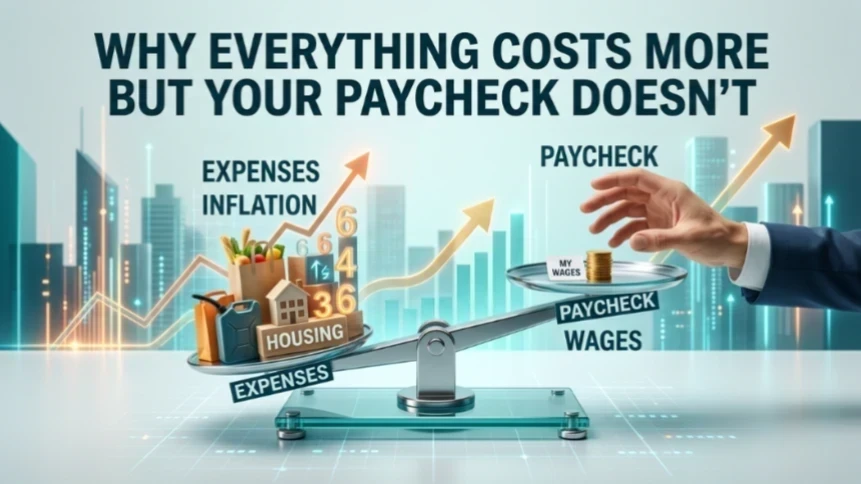
One of the most common reasons people fall behind despite earning more is lifestyle inflation. As income increases, expenses quietly rise to match it.
This doesn’t always look like luxury. It often shows up as:
More convenience spending
Higher housing or transportation costs
Subscriptions and services added “because you can”
Less tolerance for discomfort or waiting
When income grows without clear boundaries, money disappears just as quickly as before—sometimes faster.
Sign 2: You Feel Busier With Money, Not More Secure
Higher income often brings more financial complexity. More accounts, more decisions, more obligations, and more pressure to “manage things properly.”
If earning more has made you:
Check accounts more often
Stress about money decisions
Feel responsible for more people or outcomes
Feel afraid of making mistakes
Then income growth may be increasing cognitive and emotional load without improving stability.
Sign 3: Saving Still Feels Hard or Inconsistent
Many people expect saving to become automatic once income increases. When that doesn’t happen, it creates shame and self-blame.
If saving still feels difficult, inconsistent, or fragile despite higher earnings, it’s often because:
Spending habits scaled with income
Financial priorities were never clarified
Emotional spending patterns stayed the same
There’s no system separating income from intention
Income alone does not create savings—structure does.
Sign 4: You Rely on Future Income to Feel Safe
When financial stability depends on what you will earn rather than what you’ve already secured, it creates ongoing pressure.
Signs of this include:
Counting on future raises or bonuses
Feeling behind unless income keeps increasing
Anxiety about slowing down or losing momentum
Little margin for error
This creates a treadmill effect: earning more but never arriving at security.
Sign 5: Debt Remains a Constant Presence
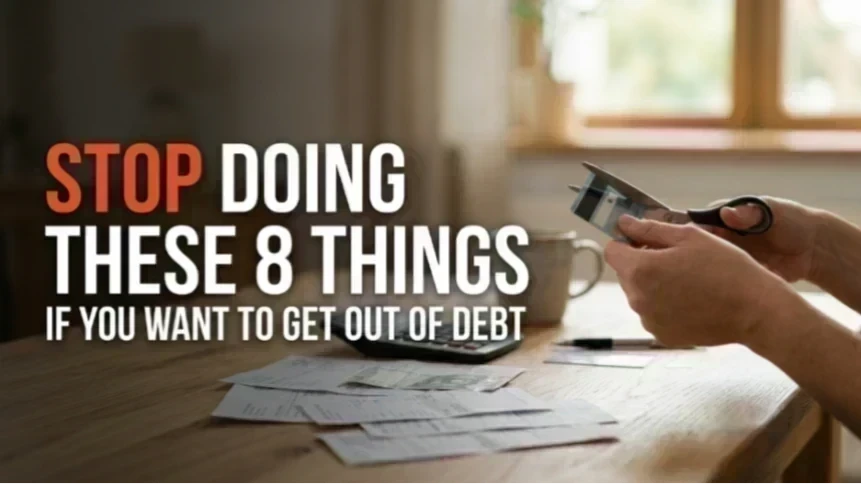
Higher income does not automatically eliminate debt. In some cases, it makes it easier to carry more of it.
If debt is still part of daily financial stress—even with increased earnings—it may signal:
Debt being used to support lifestyle growth
Emotional spending under pressure
Lack of a clear debt strategy
Avoidance of deeper financial planning
Debt often reflects behavior and stress, not just income gaps.
Sign 6: Money Still Feels Emotionally Heavy
One of the clearest signs you’re falling behind financially—even while earning more—is emotional.
You may notice:
Anxiety instead of relief
Guilt when spending
Fear of losing progress
Constant comparison to others
A sense that it’s “never enough”
When income increases without emotional clarity, money remains a source of tension rather than support.
Why More Income Doesn’t Automatically Create Stability
Income solves cash flow problems—but not behavioral patterns, emotional beliefs, or unclear priorities.
Without awareness, people often:
Spend to relieve stress
Use money to signal success or safety
Avoid financial reflection
Confuse busyness with progress
Financial stability comes from alignment between income, behavior, and intention—not from income alone.
How to Turn Higher Income Into Real Progress
1. Redefine What “Enough” Means
Without a clear definition of enough, spending expands endlessly. Clarity creates boundaries.
2. Build Structure Before Lifestyle
Saving, investing, and debt reduction should be intentional systems—not leftovers.
3. Address Emotional Spending Patterns
Earning more does not remove emotional triggers. Awareness reduces their impact.
4. Create Financial Margin
True progress shows up as margin: breathing room, flexibility, and reduced urgency.
5. Shift From Reaction to Direction
Instead of responding to money as it comes and goes, give it a clear purpose.
Conclusion
Earning more money is an opportunity—but not a guarantee of financial stability.
When income increases without changes in behavior, awareness, and structure, people often find themselves running faster without moving forward. Real financial progress isn’t measured by how much you earn, but by how supported, calm, and intentional your financial life feels.
Stability comes not from more money alone, but from clarity about how money fits into your life.
FAQ – Signs You’re Earning More but Still Falling Behind Financially
1. Why do some people earn more money but still feel financially stressed?
Because higher income does not automatically change spending habits, emotional money patterns, or financial structure. Without awareness and planning, expenses and pressure often grow with income.
2. What is lifestyle inflation and why does it cause financial problems?
Lifestyle inflation happens when spending increases alongside income. While it often feels justified, it prevents savings, increases fixed costs, and reduces financial flexibility.
3. Can emotional behavior affect finances even with a high income?
Yes. Emotional spending, fear of scarcity, comparison, and stress-based decisions can undermine financial stability at any income level.
4. Why doesn’t saving become easier after earning more?
Saving requires intention and systems, not just income. When spending expands and priorities remain unclear, saving continues to feel difficult regardless of earnings.
5. Is relying on future income a sign of financial instability?
Often, yes. Depending on future raises, bonuses, or growth to feel safe creates ongoing pressure and reduces financial security in the present.
6. Why does debt sometimes increase with higher income?
Higher income can make debt easier to justify or carry. Without a clear debt strategy, people may use credit to support lifestyle growth or manage stress.
7. How can someone turn higher income into real financial progress?
By setting clear priorities, building savings and debt strategies first, addressing emotional spending, and creating financial margin instead of expanding lifestyle.