
You’re Making More Money… So Why Are You Still Broke?
You worked harder. You earned more. Maybe you got a raise, switched jobs, or started a side hustle. On paper, everything improved. But in reality? Your bank account still feels tight. If you’re making more money but still broke, you’re not alone—and more importantly, you’re not stuck.
This frustrating gap between income and financial stability is one of the most common modern money problems. And here’s the truth most people ignore: earning more doesn’t automatically mean building wealth. In fact, without the right habits, it can actually make things worse.
Let’s break down what’s really happening—and how to fix it before another year slips by.
The Silent Trap: Lifestyle Inflation
The moment your income increases, something subtle happens. You start upgrading your life. A better phone. Nicer dinners. More subscriptions. It feels deserved—and to some extent, it is. But this is where the trap begins.
What Lifestyle Inflation Looks Like
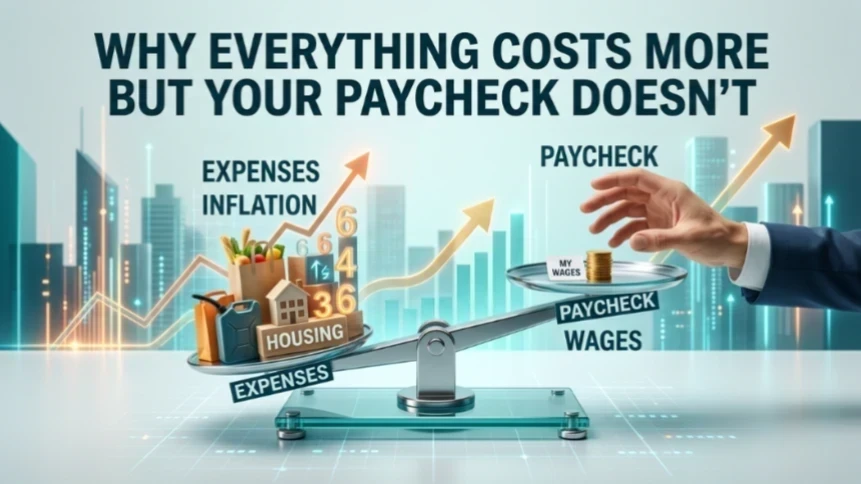
Lifestyle inflation isn’t obvious. It doesn’t feel reckless. Instead, it feels like progress. But over time, your expenses quietly rise to match—or exceed—your income.
You upgrade your car instead of saving the difference
You eat out more frequently
You justify purchases because ‘you can afford it now’
As a result, despite earning more, nothing changes financially. You’re running faster, but staying in the same place.
Many people even rely on tools like YNAB (You Need A Budget) to finally see where their money is actually going—and for the first time, the numbers don’t lie.
In other words, the problem isn’t your income. It’s the automatic expansion of your lifestyle.
You’re Not Tracking Your Money (So It Disappears)
Here’s a hard truth: money that isn’t tracked gets wasted. Not intentionally—but inevitably.
The Illusion of ‘I Know Where It Goes’
Most people believe they have a general idea of their spending. But when they actually track every dollar, the reality is shocking. Small expenses—subscriptions, delivery fees, impulse buys—add up faster than you think.
Moreover, without visibility, you can’t improve. It’s like trying to lose weight without knowing what you’re eating.
Why Awareness Changes Everything
Once you start tracking, patterns emerge. You notice triggers. You spot leaks. And suddenly, you’re back in control.
Apps like Mint Personal Finance App make this process almost effortless, helping you categorize spending and identify exactly where your money disappears each month.
As a result, you shift from reacting to money… to directing it.
You Don’t Have a Wealth-Building System
Making money is one skill. Keeping and growing it is another entirely.
If you don’t have a system, your money will always drift toward consumption instead of creation.
The Difference Between Earners and Builders
High earners often assume they’re on the right path. But wealth builders think differently. They prioritize:
Saving before spending
Investing consistently
Creating long-term financial strategies
Without this structure, even a high income can vanish quickly.
Automating Your Financial Growth
The most powerful shift you can make is automation. When saving and investing happen automatically, discipline becomes irrelevant—you win by default.
Platforms like Acorns Investment App help turn spare change into investments, making wealth-building feel effortless and consistent over time.
That said, the real transformation happens when you stop relying on willpower and start relying on systems.
Emotional Spending Is Quietly Draining You
Not all spending is logical. In fact, much of it is emotional.
After a stressful day, a purchase feels like relief. After a win, it feels like a reward. And over time, this pattern becomes automatic.
The Psychology Behind It
Spending triggers dopamine—the same chemical linked to pleasure and reward. That’s why buying something new feels good… even if it hurts you later.
Moreover, marketing is designed to amplify this effect. Limited-time offers. Social proof. Scarcity. All engineered to push emotional decisions.
Breaking the Cycle
The solution isn’t to eliminate spending—it’s to become aware of why you’re spending.
Ask yourself: do I need this, or do I feel something?
Delay purchases by 24 hours
Set intentional ‘guilt-free’ spending limits
In other words, regain control of your decisions instead of reacting to impulses.
You’re Focused on Income… Not Wealth
This is the biggest shift of all.
Income is what you earn. Wealth is what you keep—and grow.
Many people chase higher salaries without ever asking a critical question: what am I actually building?
The Wealth Perspective
Wealth isn’t about how much money flows through your life. It’s about how much stays and compounds over time.
That means:
Owning assets instead of just buying things
Thinking long-term instead of short-term
Making money work for you, not just working for money
As a result, your financial life transforms from reactive to intentional.
The Real Reason You Feel Stuck
If you’re making more money but still broke, it’s not because you’re failing. It’s because no one taught you how money actually works.
Society rewards earning—but rarely teaches managing, growing, and protecting wealth.
That’s why this cycle is so common. And that’s why breaking it feels so powerful.
Once you see the pattern, you can’t unsee it. And once you change it, everything shifts.
How to Finally Break the Cycle
The solution isn’t complicated—but it requires intention.
Track every dollar – awareness creates control
Cap lifestyle upgrades – don’t let expenses match income
Automate saving and investing – remove decision fatigue
Build systems, not goals – consistency beats motivation
Think like a wealth builder – focus on assets, not appearances
Moreover, start small. You don’t need a perfect plan—you need a consistent one.
If this hit you hard, that’s a sign. Don’t wait for your next paycheck to disappear again. Take control today, build your system, and start turning your income into real wealth. Your future self is already depending on the decision you make right now.
Final Thought
You’re not broke because you don’t earn enough. You’re broke because the system around your money isn’t designed to make you wealthy—yet.
But now, you see it. And that changes everything.
Start by observing your financial habits without judgment.
Small changes in awareness can lead to meaningful transformation over time. As you begin to understand your patterns, you’ll find it easier to make decisions that truly support the life you want.
Why Smart People Still Struggle With Money (And How to Fix It for Good)
Money Awareness Changes Everything: How One Mental Shift Can Build Real Wealth
The Emotional Side of Financial Decisions
Money Awareness Changes Everything
FAQ – Making More Money but Still Broke
1. Why am I still living paycheck to paycheck even after a raise?
Because your expenses often increase with your income. This is called lifestyle inflation, and it can quietly cancel out any financial progress if you don’t control your spending or increase savings at the same time.
2. What is lifestyle inflation and how does it keep you broke?
Lifestyle inflation happens when you upgrade your spending as your income grows—bigger house, better car, more subscriptions. Over time, it prevents you from saving or investing, keeping you financially stuck despite earning more.
3. How much should I save when my income increases?
A common rule is to save at least 20% of any income increase. Ideally, you should prioritize saving or investing the extra money before adjusting your lifestyle.
4. Why do high-income earners still struggle financially?
High income doesn’t guarantee wealth. Without budgeting, investing, and discipline, higher earnings often lead to higher spending, debt accumulation, and financial stress.
5. How do I stop being broke even if I make good money?
You need a system: track your expenses, automate savings, avoid unnecessary lifestyle upgrades, and invest consistently. Financial stability comes from habits, not just income.
6. What are the biggest money mistakes people make after earning more?
The most common mistakes include upgrading lifestyle too quickly, not tracking expenses, failing to invest, relying on credit, and assuming higher income solves everything.
7. Is it normal to feel broke even with a high salary?
Yes—and it’s more common than you think. Many people feel broke because of poor money management, high fixed expenses, and lack of financial planning, not because of low income.
8. How can I build wealth instead of just earning money?
Focus on keeping and growing your money. Save consistently, invest in assets, reduce unnecessary expenses, and create systems that build wealth automatically over time.
9. What percentage of Americans live paycheck to paycheck?
Recent studies show that a significant portion of Americans—including high earners—live paycheck to paycheck, largely due to rising costs and poor financial habits.
10. What is the fastest way to fix my finances after a salary increase?
Immediately allocate your extra income: increase savings, pay off debt, and invest. Avoid lifestyle upgrades until your financial foundation is solid.