


Understanding money anxiety and overspending
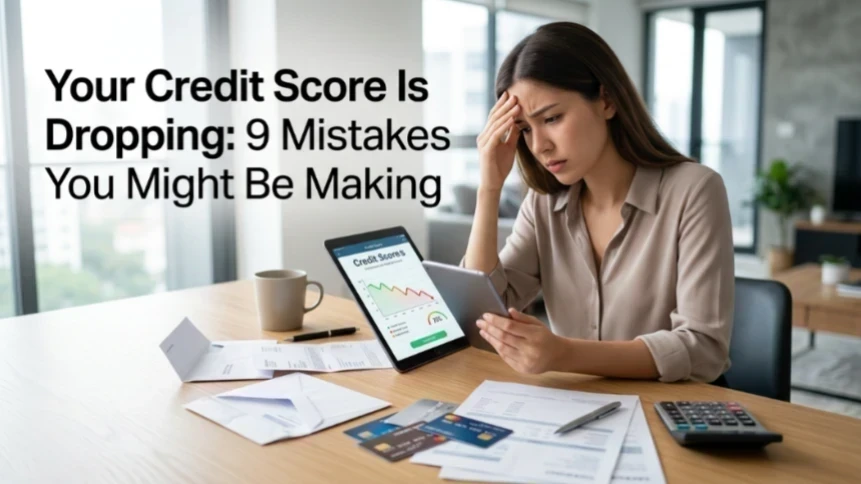
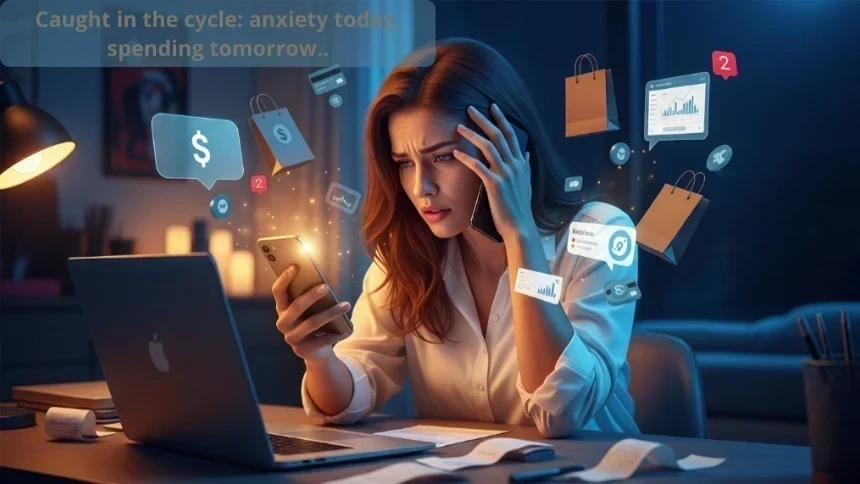
Money anxiety and overspending are deeply connected in ways most people do not notice at first. When money anxiety and overspending feed into each other, fear around finances often triggers impulsive purchases, and those purchases then intensify the original anxiety. This creates a self-reinforcing emotional loop that feels automatic and hard to control.
This cycle is not about lack of discipline alone. It is about emotional regulation, stress response, and how the brain seeks quick relief. Shopping can temporarily reduce stress, but the relief fades quickly, leaving guilt and financial pressure behind. In many cases, the purchase is less about need and more about emotional escape.
For example, someone feeling overwhelmed by bills may open a budgeting app like YNAB and still find themselves swiping their card for comfort purchases. The problem is not information, but emotional overload. Even when tools and data are available, anxiety can override rational decision-making.
As a result, understanding money anxiety and overspending requires looking beyond numbers and into behavior patterns. The goal is not just to track money, but to understand the emotions behind each decision. Without this awareness, financial tools alone rarely create lasting change.
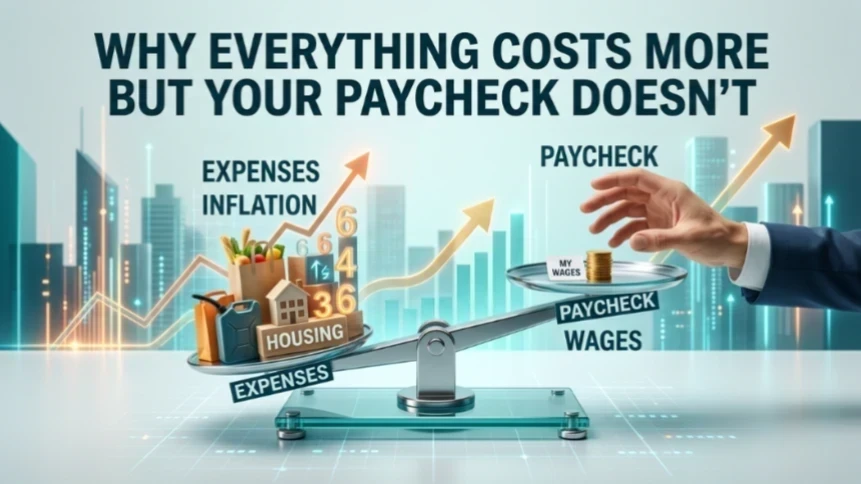
Many people assume better income fixes the issue, but without addressing money anxiety and overspending patterns, higher income often leads to higher spending, not relief. This is why the cycle persists across different income levels and lifestyles.
Interestingly, this experience is far more common than people admit. Many individuals silently struggle with the same loop, which makes it feel normal, even though it is deeply disruptive to long-term financial stability.
The psychological triggers behind the cycle
The brain is wired to seek immediate comfort, especially under stress. When money anxiety rises, the nervous system activates a fight-or-flight response, and spending becomes a form of emotional escape. This reaction is fast, automatic, and often unconscious.
In other words, overspending is often a coping mechanism. The purchase itself is less important than the temporary relief it provides. This is why traditional budgeting advice often fails when emotional triggers are not addressed first.
Stress, dopamine and financial behavior
Each purchase releases dopamine, reinforcing the habit loop. Over time, money anxiety and overspending become a conditioned response to stress, boredom, or uncertainty. The brain begins to associate spending with emotional relief, even when it creates long-term consequences.
Environmental cues also play a major role. Marketing, social comparison, and constant digital exposure increase desire triggers, making impulsive spending even more likely during moments of emotional vulnerability.
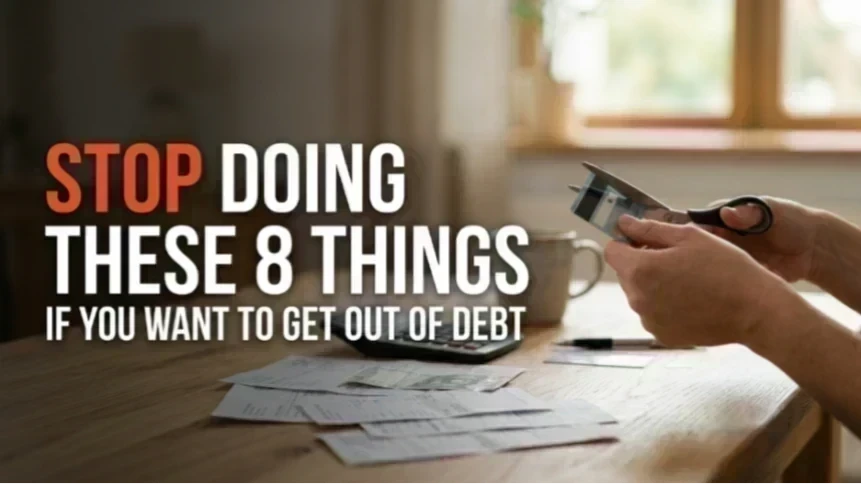
A practical tool that helps interrupt this pattern is a cash envelope system wallet, which forces physical limits on spending and increases awareness before each purchase. By making money tangible, it reduces emotional detachment from financial decisions.
This method works because it introduces friction. When money is physically separated into categories, emotional spending becomes harder to justify, and the cycle begins to weaken. The delay between impulse and action becomes a powerful interruption point.
How digital habits reinforce overspending
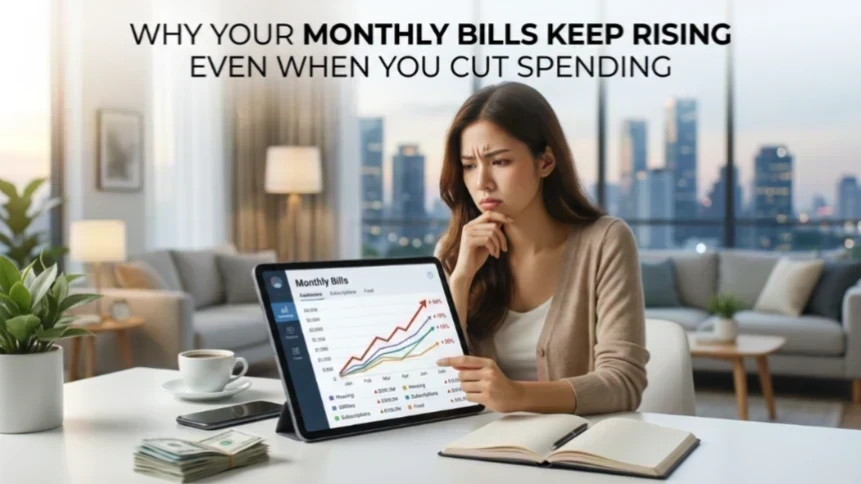
Digital life has made spending easier than ever. One-click payments, saved cards, and subscription models reduce friction, which is great for convenience but dangerous for money anxiety and overspending cycles. The easier it is to spend, the less time the brain has to evaluate decisions.
People often underestimate small purchases because they feel invisible. However, these micro-decisions accumulate quickly and reinforce emotional spending habits. Over time, they create financial pressure that feels confusing and unexpected.
Subscription models are especially powerful because they automate spending. When payments happen quietly in the background, awareness decreases, and money anxiety can grow without a clear understanding of where it comes from.
Using a spending tracker app like Monarch Money can help bring visibility back into financial behavior. Seeing patterns in real time helps reconnect emotion with consequence, making spending decisions more intentional.
Once awareness increases, the brain begins to pause before reacting. This pause is where transformation begins, because it interrupts the automatic link between anxiety and spending. Even a few seconds of reflection can change outcomes significantly.
Over time, digital awareness builds financial confidence. When individuals understand where their money is going, they regain a sense of control, which directly reduces anxiety-driven decisions.
Breaking the cycle and rebuilding financial calm
Breaking the cycle of money anxiety and overspending is not about perfection. It is about building awareness and creating small, consistent interruptions in old habits. Real change happens gradually through repetition, not sudden transformation.
One effective strategy is to introduce delay rules, such as waiting 24 hours before non-essential purchases. This simple step reduces emotional decision-making and allows rational thinking to return before committing to spending.
Another approach is to replace spending triggers with alternative coping tools like journaling, walking, or breathing exercises. Over time, the brain learns new responses to stress, reducing the automatic connection between anxiety and purchasing behavior.
Financial identity also plays a key role. When individuals begin to see themselves as intentional spenders rather than reactive buyers, behavior naturally shifts to align with that identity. This internal change is often more powerful than external budgeting rules.
Financial calm is built through repetition, not sudden change. The more consistent the new behavior, the weaker the old cycle becomes. Eventually, the emotional charge behind spending decisions begins to fade, replaced by clarity and control.
If you are ready to break free from money anxiety and overspending, start today by choosing one small habit to change. Do not wait for the perfect moment. Take control now and rebuild your financial confidence step by step.
FAQ — Money Anxiety and Overspending
1. Why do I spend more when I feel anxious about money?
Because anxiety activates emotional stress, and the brain looks for quick relief. Spending gives a short dopamine boost, which temporarily reduces discomfort, even though it creates longer-term financial pressure.
2. Is overspending a lack of self-control?
Not exactly. In most cases, overspending is a learned emotional coping strategy, not just poor discipline. Stress, habits, and environment play a much bigger role than willpower alone.
3. Can budgeting apps fix money anxiety?
They help, but they are not enough on their own. Tools improve awareness, but money anxiety is mainly emotional, so behavior change and stress management are also necessary.
4. How do I stop impulse buying when I’m stressed?
Introduce a delay before purchases, like waiting 24 hours. Also, replace shopping with alternative stress relief activities such as walking, journaling, or breathing exercises.
5. Does earning more money eliminate overspending habits?
No. Without changing emotional patterns, higher income often leads to higher spending. The cycle can continue even at higher salary levels.
6. What is the fastest way to regain control over my spending?
Start by tracking every expense and identifying emotional triggers. Awareness is the first step to breaking automatic spending behavior and rebuilding financial control.
Start by observing your financial habits without judgment.
Small changes in awareness can lead to meaningful transformation over time. As you begin to understand your patterns, you’ll find it easier to make decisions that truly support the life you want.
Why Smart People Still Struggle With Money (And How to Fix It for Good)
Money Awareness Changes Everything: How One Mental Shift Can Build Real Wealth