








15 Frugal Habits That Actually Make Life Easier
Frugal habits can make life easier when they remove stress instead of adding more rules. If you have been feeling mentally exhausted, financially stretched, or strangely disconnected from your own routine, you may not need a stricter budget. You may need fewer decisions.
That distinction matters. Modern life has a way of turning everything into another task. Work. Bills. Groceries. Messages. Appointments. Family responsibilities. Subscriptions. Online shopping. And somewhere in the middle of all that noise, spending money can become the fastest way to make a difficult day feel slightly easier.
Maybe you order dinner because you cannot think about cooking. You buy something online because you need a small emotional lift. You pay for subscriptions you forgot existed because canceling them feels like another chore. None of these choices necessarily make you irresponsible. Sometimes they are simply signs of mental fatigue.
The good news is that frugal living does not have to mean living a smaller life. Done well, it can mean creating a life with less friction, less clutter, fewer financial surprises, and more room to breathe.
Why Frugal Habits Can Feel Like a Reset
When your brain is overloaded, even small financial decisions can feel exhausting. You may technically be functioning while privately feeling that something is off. You pay the bills. You go to work. You handle what needs to be handled. Yet your money still seems to disappear faster than expected.
That is where simple frugal habits can become powerful. Instead of asking you to become perfect with money, they create small systems that make better choices easier.
Moreover, the emotional benefit can be just as important as the financial benefit. Saving $20 matters, but knowing exactly where that $20 came from can create a sense of control. Preparing food at home matters, but not having to wonder what you are going to eat at 7 p.m. matters too.
1. Create a no-decision meal list
One of the easiest frugal habits is having a short list of meals you can make without thinking. Choose five to ten inexpensive meals that your household already enjoys. Rotate them instead of reinventing dinner every night.
This reduces grocery waste, restaurant spending, and the mental load of deciding what to cook. A Le Creuset Dutch Oven can also become useful here because one-pot meals, soups, stews, and leftovers can turn basic ingredients into several meals with very little daily effort.
2. Shop your home before shopping online
Before buying something new, spend five minutes checking what you already own. This works surprisingly well for kitchen supplies, beauty products, cleaning items, clothing, office supplies, and storage containers.
The goal is not to stop yourself from ever buying anything. It is to interrupt autopilot spending. That tiny pause can reveal that you already have three versions of what you were about to purchase.
3. Build a weekly money reset
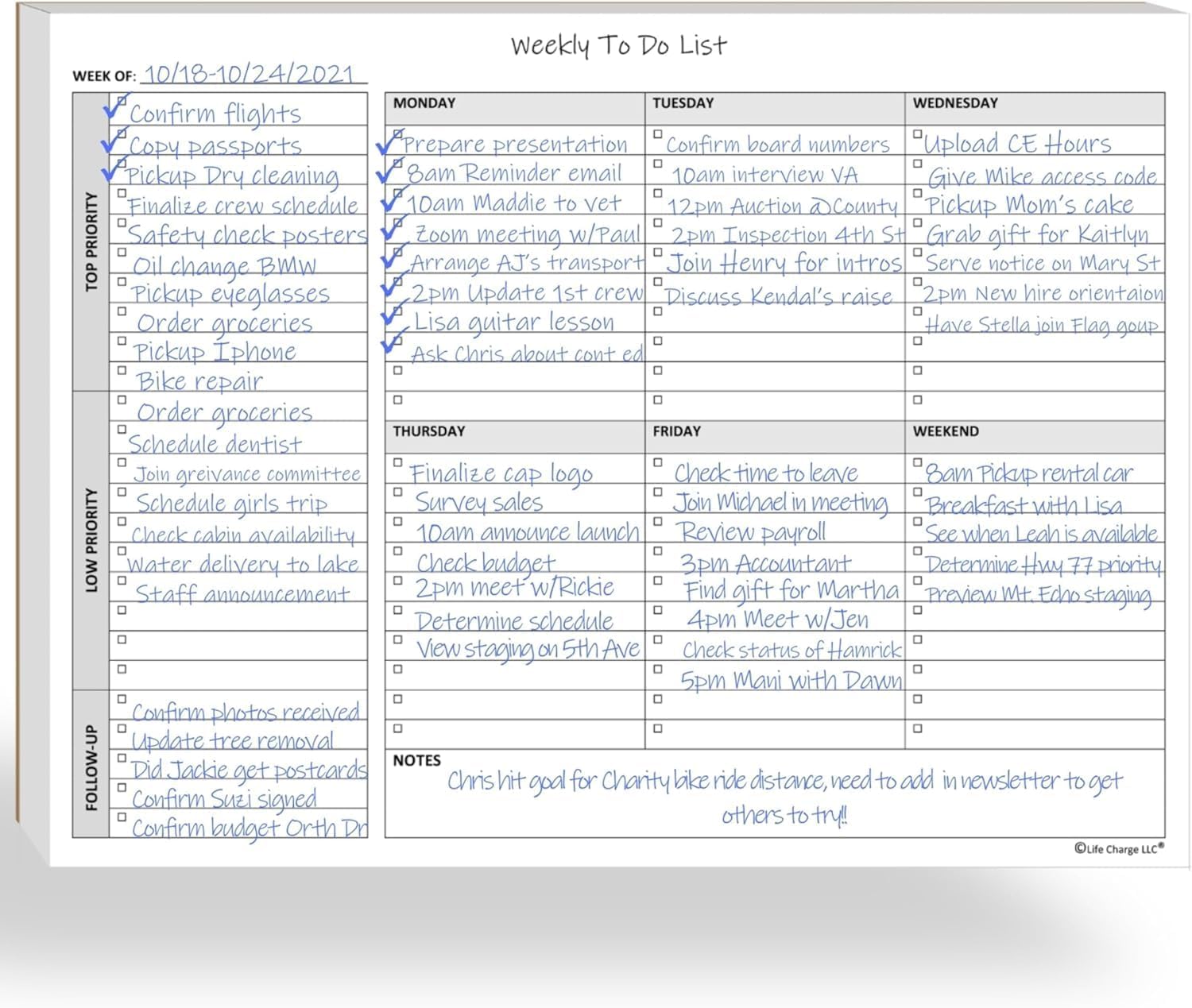
Choose one predictable time each week to look at your upcoming expenses, account balances, subscriptions, groceries, and planned purchases. Keep it short. Fifteen minutes is enough.
A budgeting tool such as YNAB can make this process more visible because you can see what your money needs to accomplish before the week gets chaotic. The real benefit, however, is not the app itself. It is replacing financial uncertainty with a small moment of clarity.
4. Use a 24-hour pause for nonessential purchases
If something is not necessary today, wait 24 hours before buying it. This simple habit creates distance between emotion and action.
You may discover that you still want the item tomorrow. That is completely fine. Frugality is not about saying no to everything. It is about making sure your future self agrees with your present self.
5. Make leftovers the default
Leftovers are one of the most overlooked money-saving tools because they also save time. Instead of thinking of leftovers as food you have to tolerate, think of them as tomorrow's dinner already being handled.
Cooking larger portions can reduce the temptation to order takeout when you are tired. It also makes your grocery spending work harder.
Frugal Habits That Reduce Mental Fatigue
The best frugal habits are often the ones that remove decisions from your day. When you are experiencing burnout or emotional overload, complicated systems tend to collapse. Simple defaults survive.
6. Keep a small list of reliable grocery staples
Create a list of foods your household regularly uses. Think eggs, oats, rice, beans, pasta, vegetables, fruit, yogurt, chicken, or whatever actually fits your life.
This makes grocery shopping faster and reduces the chances of wandering through the store while hungry and buying things that seemed appealing in the moment.
7. Cancel one unused subscription at a time
You do not need a dramatic subscription audit. Start with one. Look at your bank or credit card statement and identify a service you barely use.
Then cancel it.
The amount may be only $8 or $15. But the habit teaches an important lesson: recurring expenses deserve recurring attention.
8. Create a comfort budget
Trying to eliminate every enjoyable purchase can backfire. Instead, give yourself a realistic amount for small pleasures.
A coffee, book, movie, dinner out, skincare product, or weekend treat does not have to become a financial emergency. Planned enjoyment can actually make frugal living easier to sustain because you are not constantly feeling punished.
9. Make your home easier to maintain
Buy less, store less, and create simple places for the things you use constantly. Clutter creates friction. When everything feels difficult to find, small purchases become more tempting because replacing something seems easier than looking for it.
A vacuum sealer such as the Weston Vacuum Sealer can be practical for households that regularly buy food in larger quantities or want to preserve leftovers. The broader habit is what matters: make the things you already paid for last longer.
10. Stop treating convenience as automatically worth the price
Convenience is valuable, especially when you are exhausted. But not every convenience deserves a permanent place in your budget.
Ask yourself whether you are paying for genuine time savings or simply paying because you are mentally depleted. Sometimes the answer will be that the convenience is absolutely worth it. Other times, you will realize that a ten-minute routine could save money without making your life harder.
Frugal Habits That Protect Your Future Self
Money decisions are easier when you stop viewing them only through the lens of today. Your future self is also sitting at the table.
11. Automate a small amount of savings
You do not need to start with an impressive number. Even a small automatic transfer can create momentum.
The important part is consistency. Saving $20 a week adds up to $1,040 over a year before considering any interest. More importantly, it creates evidence that you are capable of making progress.
12. Repair before replacing
Before replacing something that is broken, check whether it can be cleaned, repaired, adjusted, or maintained.
This habit works especially well for clothing, small appliances, furniture, and household items. It also changes your relationship with possessions. Instead of seeing every problem as a reason to buy something new, you begin looking for ways to extend the useful life of what you already own.
13. Use a waiting list for wants
Create a note on your phone called things I still want. When you see something tempting, add it to the list instead of immediately purchasing it.
Review the list once a month. You may be surprised by how many things no longer seem important.
14. Protect your sleep and energy
This sounds unrelated to frugal living, but it is not. Exhaustion can make expensive decisions feel easier.
When you are tired, ordering food, buying convenience items, scrolling shopping apps, or saying yes to unnecessary expenses can feel like relief. Protecting your sleep and creating calmer evening routines can therefore become a surprisingly useful money habit.
Even something as simple as a comfortable sleep routine, a journal beside the bed, or a few minutes without your phone can help create distance between stress and spending.
15. Ask one question before spending
When you are about to make a nonessential purchase, ask: Is this worth the life I am building?
Not is this cheap? Not can I technically afford it? Not will someone else think I need it?
Is it worth the life I am building?
That question changes the emotional frame. It does not shame you for wanting something. It simply reconnects the purchase with your priorities.
What Frugal Living Is Really About
Frugal living is often portrayed as coupons, extreme budgeting, empty calendars, and saying no to everything enjoyable. That version misses the point.
Real frugality is about directing your money toward the things that genuinely improve your life while reducing the spending that quietly drains it.
That can mean cooking at home more often. It can mean canceling subscriptions. It can mean buying fewer things. It can mean spending more intentionally on quality when something matters to you.
Most importantly, it can mean removing financial noise from your life.
If you are emotionally overwhelmed, experiencing silent burnout, or simply tired of feeling like you are constantly reacting, you do not need another complicated self-improvement project. Start with one habit.
Make dinner easier. Cancel one subscription. Wait 24 hours. Check your accounts once a week. Save $20. Use what you already own. Go to bed instead of shopping because you had a terrible day.
Small choices become powerful when they are repeated.
How to Start Without Overwhelming Yourself
Do not try all 15 habits this week. That is exactly how a helpful idea becomes another source of pressure.
Instead, choose three:
One habit that saves money: such as cooking from your existing groceries.
One habit that reduces mental load: such as a weekly money reset.
One habit that protects your future: such as an automatic savings transfer.
Give those habits a few weeks to become normal. Then add another if it genuinely makes your life easier.
Remember, the goal is not to become the person who never spends money. The goal is to become the person who knows why they are spending it.
Start today with one decision you can actually keep. Cancel the subscription you forgot about, plan tomorrow's dinner, move a small amount into savings, or put one tempting purchase on your waiting list. Do not wait for a perfect financial reset. Create one small moment of control today, then build from there.
The most meaningful change may not be seeing a dramatically larger bank balance next month. It may be waking up and realizing that money is no longer taking up quite so much space in your head.
And sometimes, that is where financial progress really begins.
FAQ — Frugal Habits That Actually Make Life Easier
1. What are the best frugal habits to start with?
The best frugal habits are the ones that save money without making your daily life harder. Start with simple changes such as planning meals, using what you already own, canceling unused subscriptions, waiting 24 hours before nonessential purchases, and reviewing your spending once a week. The goal is to create systems that make saving money easier instead of relying on willpower every day.
2. Can frugal living really make life easier?
Yes. Frugal living can make life easier when it focuses on reducing unnecessary decisions, expenses, clutter, and financial uncertainty. Instead of constantly wondering where your money went, you create predictable routines that give you more control. In many cases, the biggest benefit is not just saving money but reducing the mental stress associated with money.
3. How can I be frugal without feeling deprived?
The key is to stop treating frugality as punishment. You do not have to eliminate everything you enjoy. Instead, decide what genuinely adds value to your life and spend intentionally on those things. Cut expenses that do not matter to you while protecting the experiences, comforts, and relationships that do.
4. What is the easiest frugal habit to start today?
One of the easiest habits is the 24-hour rule. Whenever you want to buy something that is not necessary, wait 24 hours before purchasing it. This gives you enough time to separate a temporary emotional reaction from a purchase you genuinely want or need.
5. How do frugal habits help with mental fatigue?
Simple financial routines reduce the number of decisions you have to make. Meal planning, automatic savings, recurring grocery lists, and weekly money check-ins create defaults. When you are already dealing with work, family responsibilities, stress, and emotional overload, fewer financial decisions can make your entire routine feel lighter.
6. Can I save money if I am already living paycheck to paycheck?
Yes, although the amount you can save may be small at first. When money is extremely tight, focus on reducing recurring expenses, preventing unnecessary fees, reviewing subscriptions, and finding small spending leaks rather than trying to make dramatic cuts. Even a small amount saved consistently can create momentum and a sense of control.
7. Why does saving money feel so difficult even when I know what I should do?
Saving money is not always a discipline problem. Mental fatigue, rising costs, emotional spending, debt, financial uncertainty, and constant decision-making can make saving much harder. When your brain is overwhelmed, immediate comfort often feels more important than a future financial goal. Creating simple automatic systems can help remove some of that pressure.
8. How much money can frugal habits actually save?
The amount depends on your income, expenses, and lifestyle, but small changes can add up significantly over time. For example, saving just $20 per week equals $1,040 over a year. The important point is that frugal habits often work through repetition. A small amount saved consistently can become meaningful when maintained for months or years.
9. Is cooking at home really one of the best frugal habits?
For many households, yes. Cooking at home can reduce restaurant, delivery, and convenience-food spending while also giving you more control over groceries. The key is to make home cooking simple. Repeating inexpensive meals, preparing larger portions, and using leftovers can make the habit sustainable rather than exhausting.
10. How can I stop impulse spending without completely avoiding shopping?
Create friction between the desire to buy and the purchase itself. Use a 24-hour waiting period, remove saved payment information from shopping sites, unsubscribe from promotional emails, and keep a list of things you want instead of buying immediately. You do not have to stop shopping; you simply give yourself enough time to decide whether the purchase actually fits your priorities.
11. What frugal habits are especially helpful for people experiencing burnout?
The most helpful habits are those that require very little mental energy. A simple meal rotation, automatic savings, a weekly financial check-in, fewer subscriptions, and a waiting list for purchases can reduce the number of decisions you make. When you are experiencing burnout, the best financial system is usually the one you can maintain even when you are having a difficult week.
12. Should I stop buying things that make me happy to save money?
No. Extreme restriction can make frugal living difficult to maintain. Instead, distinguish between spending that genuinely improves your life and spending that simply provides temporary relief from stress or boredom. A planned entertainment budget can allow you to enjoy yourself while still making meaningful financial progress.
13. What is lifestyle inflation, and how do frugal habits help prevent it?
Lifestyle inflation happens when spending increases as income increases. You may earn more but still feel financially stuck because housing, subscriptions, dining out, travel, shopping, and other expenses gradually expand. Frugal habits help you keep some of the benefits of higher income instead of automatically turning every raise into a higher cost of living.
14. How can I make frugal habits stick?
Make them specific and easy. Instead of saying, “I need to spend less,” choose a behavior such as “I will check my subscriptions every Sunday” or “I will wait 24 hours before buying nonessential items.” Small habits are easier to repeat than vague financial goals. Once a behavior becomes automatic, you can build another habit on top of it.
15. What is the most important mindset shift for becoming more frugal?
Stop asking only, “Can I afford this?” and start asking, “Is this worth the life I am building?” Something can be affordable and still not be valuable. Frugality becomes much easier when your spending reflects your priorities instead of your emotions, social pressure, or autopilot habits.
16. Can frugal habits help reduce financial anxiety?
They can. Frugal habits cannot solve every financial problem, but they can create more predictability and awareness. Knowing what you spend, reducing recurring expenses, building even a small emergency cushion, and having a regular money routine can make finances feel less chaotic.
17. What should I do if I keep failing at my budget?
Consider whether the budget is too complicated or unrealistic rather than assuming you lack discipline. A budget that requires constant tracking may be difficult to maintain during stressful periods. Try simplifying it. Focus on your largest expenses, essential bills, savings, and a realistic amount for discretionary spending. Your financial system should work with your real life, not an imaginary perfect version of it.
18. Are frugal habits worth it if I do not make a lot of money?
Yes. Frugal habits are not only for people with high incomes. When money is limited, being intentional about spending can help protect the resources you already have. That said, frugality has limits. If your essential expenses already consume nearly all of your income, cutting small purchases will not solve the underlying problem. In that situation, increasing income, reducing major fixed costs, or addressing debt may matter more.
19. What is one frugal habit that can have a surprisingly big impact?
Reviewing recurring expenses can have a bigger impact than people expect. Subscriptions, memberships, insurance costs, fees, and other automatic payments can quietly consume hundreds of dollars over a year. Reviewing them regularly helps ensure that your money is still going toward things you actually use and value.
20. What is the best way to start living more frugally today?
Pick one expense and one habit. Find one recurring expense you can reduce or eliminate, then choose one simple behavior you can repeat every week. Do not try to completely transform your financial life overnight. The goal is to create a calmer relationship with money, one small decision at a time.