






7 Signs Your Income Increased But Your Finances Didn’t
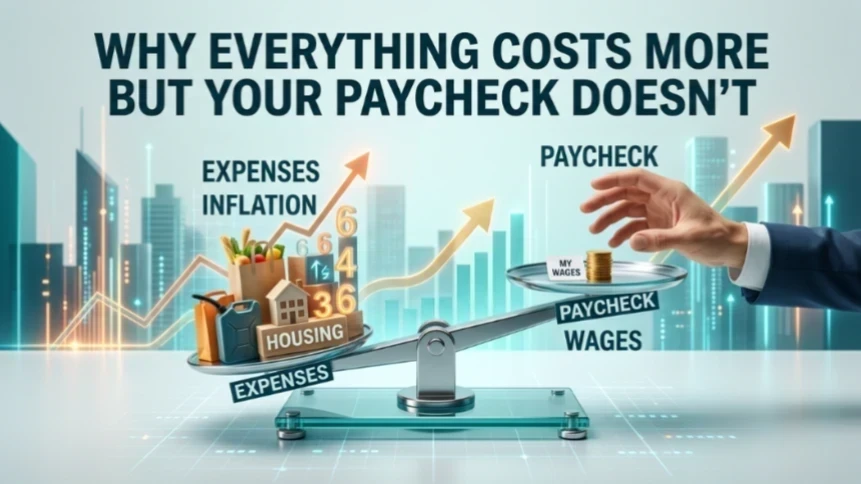
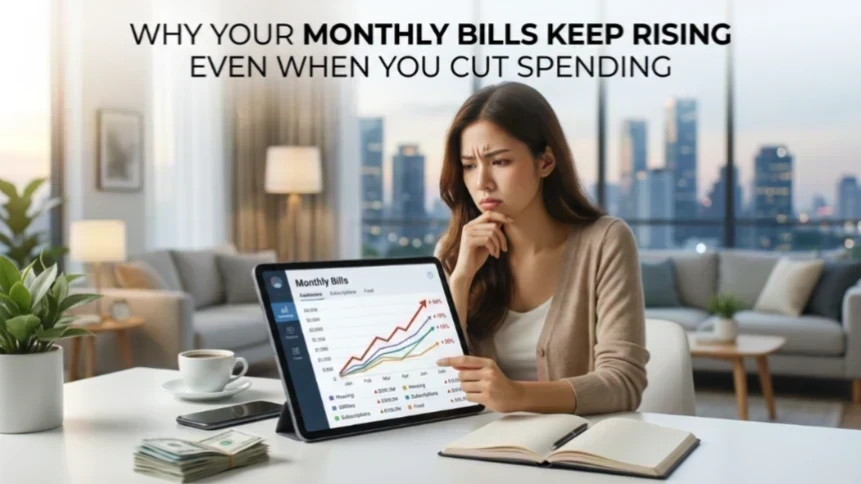
You worked harder, earned more, maybe even got promoted. But if your bank account doesn’t reflect that progress, something is off. The truth is simple and uncomfortable: your income increased, but your finances didn’t. And this happens more often than people admit.
This silent financial trap is known as lifestyle inflation, and it quietly erodes your ability to build wealth. In other words, the more you earn, the more you spend — leaving you stuck in the same place financially. If you don’t recognize the signs early, you could spend years working harder without ever moving forward.
So let’s break it down. Here are 7 powerful signs that your income increased, but your financial life didn’t — and what that really means for your future.
1. You Still Live Paycheck to Paycheck
This is the most obvious and dangerous sign. If your income increased but you’re still waiting anxiously for your next paycheck, nothing has really changed. The numbers got bigger, but the pattern stayed the same.
At first, it feels normal. You upgrade small things — better food, nicer clothes, maybe a new gadget like the iPhone 15. But over time, your expenses grow silently until they match your income again.
As a result, you remain financially fragile. One unexpected expense can throw everything off balance.
Why this happens
Your brain adjusts quickly to new income levels. What once felt like a luxury becomes a necessity. And before you realize it, your new standard becomes your baseline.
2. Your Savings Didn’t Increase
If you’re earning more but saving the same amount — or worse, nothing at all — that’s a major red flag. Increased income should create financial breathing room, not disappear unnoticed.
Moreover, without savings, you’re not building security. You’re just maintaining a higher-cost version of your previous life.
Think about it: even small recurring upgrades, like buying premium coffee at home with a Nespresso Vertuo Pop, can quietly replace what could have been consistent savings.
The hidden cost
It’s not just about what you spend — it’s about what you fail to build. Every dollar not saved is a missed opportunity for future freedom.
3. Your Fixed Expenses Increased
One of the most dangerous moves after earning more is increasing fixed costs. These are expenses you can’t easily cut: rent, car payments, subscriptions, financing.
Once these go up, your financial flexibility goes down.
For example, upgrading your home or adding new appliances like an LG Smart Inverter Refrigerator might feel like progress. But if it locks you into higher monthly costs, it can trap you financially.
Higher rent or mortgage
Car upgrades with financing
More subscriptions
Long-term payment commitments
These decisions reduce your ability to save and invest.
Why it’s risky
Fixed costs don’t adjust when your income drops. They stay — and demand to be paid.
4. You Reward Yourself Constantly
You worked hard. You deserve it. That’s what you tell yourself. And it’s not wrong — until it becomes a pattern.
When every achievement leads to a reward purchase, your income increase turns into a spending trigger. Over time, this creates a loop where effort equals consumption, not growth.
In other words, you train your brain to spend every time you succeed.
The psychological trap
Dopamine from spending is immediate. Financial growth is delayed. Your brain naturally chooses the faster reward unless you consciously interrupt the cycle.
5. You Feel Rich — But You’re Not
This is subtle and dangerous. You feel more comfortable. You stress less about small purchases. You say yes more often. But behind the scenes, nothing significant has changed.
There’s no real wealth, no strong investments, no financial independence — just a more expensive lifestyle.
As a result, your financial position is fragile, even if it doesn’t feel that way.
Reality check
True wealth isn’t about what you can spend — it’s about what you can keep.
6. Your Investments Didn’t Grow
If your income increased, your investments should have increased too. If they didn’t, that’s a clear sign your money is flowing in the wrong direction.
Investing is what turns income into wealth. Without it, you’re just trading time for money — no matter how much you earn.
Moreover, delaying investments is costly. Time is your biggest advantage, and every delay reduces your potential growth.
The long-term consequence
Years can pass quickly. And without investments, you may reach a point where earning more no longer compensates for lost time.
7. You Depend Completely on Your Income
This is the ultimate sign. If your lifestyle depends entirely on your current income, you’re financially vulnerable — regardless of how much you earn.
No savings buffer. No passive income. No safety net.
That means one disruption — job loss, health issue, economic shift — can collapse everything.
The truth most people avoid
High income does not equal financial security. Only assets, savings, and investments create real stability.
How to Break the Cycle Before It’s Too Late
Now that you recognize the signs, the next step is action. And the good news is: you don’t need to earn more to fix this. You need to manage better.
Keep your lifestyle stable after income increases
Automate your savings and investments
Avoid increasing fixed expenses
Create clear financial goals
Track where your money actually goes
That said, the most powerful shift is mental. Stop asking, 'Can I afford this?' and start asking, 'Does this move me forward?'
If you recognize yourself in these signs, don’t ignore it. This is your moment to change direction. Start today — because the longer you wait, the more expensive this pattern becomes.
FAQ – Strong SEO (High Impact & Conversion Focus)
1. Why does my income increase but I still feel broke?
Because your expenses are rising along with your income — a pattern called lifestyle inflation. Without controlling spending, higher earnings don’t translate into real financial progress.
2. What is lifestyle inflation and why is it dangerous?
Lifestyle inflation happens when you upgrade your lifestyle every time you earn more. It’s dangerous because it keeps you stuck in the same financial position, preventing savings, investments, and long-term wealth.
3. How can I tell if I’m trapped in this cycle?
If you never have money left at the end of the month, your savings aren’t growing, and your expenses increase after every raise, you’re likely stuck in lifestyle inflation.
4. Is earning more money enough to build wealth?
No. Wealth is built by what you keep and invest, not just what you earn. Without discipline, higher income only leads to higher spending.
5. What is the fastest way to break this pattern?
Freeze your lifestyle when your income increases. Redirect the extra money into savings, investments, and debt reduction before you have a chance to spend it.
6. Why do people feel richer without actually becoming wealthy?
Because improved cash flow creates a temporary sense of comfort. However, without assets, savings, or investments, that feeling is just an illusion.
7. How much should I save when my income increases?
A powerful strategy is to save or invest at least 50% of any income increase. This accelerates wealth building without drastically impacting your lifestyle.
8. Can small daily expenses really affect my financial future?
Yes. Small, repeated expenses compound over time and can drain thousands per year — money that could have been invested and grown significantly.
9. What mindset shift is needed to fix this?
Stop asking “Can I afford this?” and start asking “Is this moving me closer to financial freedom?” This single shift changes your entire relationship with money.
10. What happens if I don’t fix this now?
You risk spending years earning more without building anything meaningful. Over time, this leads to financial stress, missed opportunities, and delayed freedom.
Start by observing your financial habits without judgment.
Small changes in awareness can lead to meaningful transformation over time. As you begin to understand your patterns, you’ll find it easier to make decisions that truly support the life you want.
Why Smart People Still Struggle With Money (And How to Fix It for Good)
Money Awareness Changes Everything: How One Mental Shift Can Build Real Wealth
The Emotional Side of Financial Decisions