








Why More Money Isn’t Fixing Your Financial Problems
You got the raise. Maybe even a better job. More money is finally coming in—and yet, something still feels off. Your bank account doesn’t reflect the progress you expected. Stress is still there. Bills still feel heavy. And somehow, you’re not as financially free as you imagined. This is the hidden truth most people don’t talk about: more money alone doesn’t fix financial problems.
In fact, without the right mindset and systems, earning more can actually make things worse. It sounds counterintuitive, but once you understand what’s really happening beneath the surface, everything starts to make sense. And more importantly, you’ll finally know how to fix it.
The Real Problem: It’s Not Income, It’s Behavior
At first glance, it seems obvious—if you earn more, you should have more. But money doesn’t operate in isolation. It flows through habits, emotions, and decisions. And if those aren’t aligned, your income becomes just another number passing through your hands.
Think about it: if someone struggles to manage $2,000 per month, what guarantees they’ll manage $5,000 better? Without structure, discipline, and awareness, the same patterns repeat—just at a higher level.
Lifestyle Inflation Is Quietly Draining You
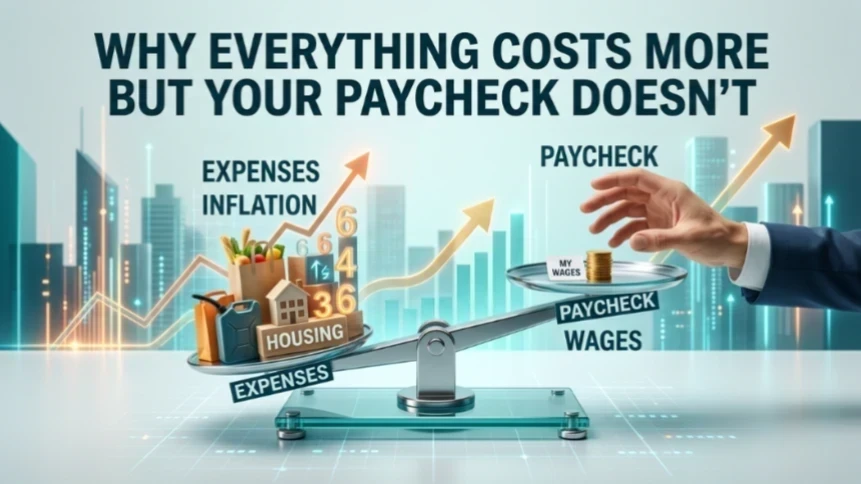
This is where lifestyle inflation enters. As your income increases, your expenses rise to match it. You upgrade your phone, your car, your home, your subscriptions. None of these feel like mistakes—they feel deserved. And that’s exactly why they’re dangerous.
Before you realize it, your financial life looks different… but not better. You’re still dependent on your paycheck. Still feeling pressure. Still stuck.
For example, someone might upgrade to a premium financial tracking tool like YNAB (You Need A Budget) thinking it will solve everything. While tools help, they don’t fix behavior. Without intentional change, even the best tools become unused subscriptions.
More Money Amplifies Who You Already Are
Here’s a powerful truth: money doesn’t change you—it reveals you. If you’re disciplined, more money accelerates your growth. If you’re impulsive, it magnifies your mistakes.
This is why some people build wealth quickly while others remain stuck, even with high salaries. It’s not about opportunity—it’s about response.
Emotional Spending Is the Hidden Leak
Many financial problems aren’t logical—they’re emotional. Stress, anxiety, boredom, and even celebration can trigger spending. And when you have more money, those triggers become easier to act on.
That quick online purchase. That “you deserve it” moment. That impulse upgrade. Individually, they seem harmless. Together, they quietly erode your financial stability.
Some people try to fix this with automation tools like Mint Budgeting App, hoping visibility will stop the behavior. While awareness is powerful, emotional patterns require deeper change—self-awareness, boundaries, and intentional decisions.
The Illusion of Progress
One of the most dangerous financial traps is the illusion that you’re moving forward when you’re actually standing still. A higher income can create this illusion because it feels like success. But if your savings rate doesn’t increase, your investments don’t grow, and your debt remains, you’re not progressing—you’re just maintaining a more expensive version of the same life.
This is where many people get stuck for years. They keep chasing higher income, believing the next raise will solve everything. But the real breakthrough comes when you shift focus from earning more to managing better.
Debt Becomes Easier to Justify
With more income, debt often feels less intimidating. Monthly payments seem manageable, so bigger financial commitments feel acceptable. A better car. A larger home. More credit usage.
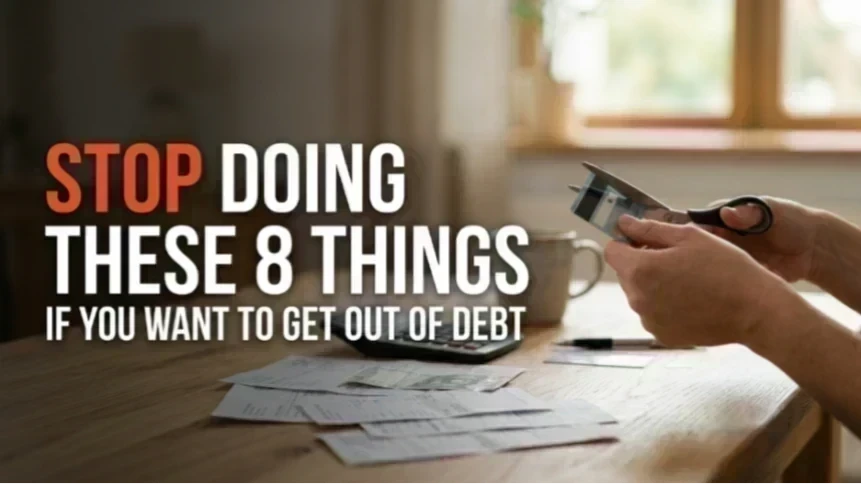
But here’s the reality: debt doesn’t disappear because you earn more—it scales with you. And over time, it reduces your freedom, limits your choices, and increases your dependence on income.
Some individuals turn to investment platforms like Personal Capital to track net worth and investments, which is a great step. However, if debt isn’t controlled, wealth-building efforts lose power. You’re building with one hand while leaking with the other.
What Actually Fixes Financial Problems
If more money isn’t the answer, what is? The solution lies in a combination of awareness, structure, and intentional action. It’s not about restriction—it’s about control.
1. Clarity Over Your Numbers
You can’t fix what you don’t understand. Knowing exactly how much you earn, spend, save, and invest is the foundation of financial change. This isn’t about perfection—it’s about visibility.
Track every expense for at least 30 days
Identify patterns and triggers
Separate needs from wants
2. Build a System That Works for You
Discipline alone isn’t enough. You need systems that make good decisions easier and bad decisions harder. Automation, budgeting frameworks, and spending limits create structure without constant effort.
Automate savings before spending
Set clear limits for discretionary expenses
Create categories that reflect your real life
3. Redefine What ‘Better’ Means
Many people associate financial success with visible upgrades—cars, clothes, experiences. But true financial strength is invisible. It’s peace of mind. It’s flexibility. It’s having options.
When you shift your definition of success, your decisions change. You stop spending to impress and start building to sustain.
The Mindset Shift That Changes Everything
At its core, this isn’t just about money—it’s about identity. The moment you stop seeing money as something that solves problems and start seeing it as a tool you control, everything changes.
You become more intentional. More aware. More strategic.
And suddenly, more money actually starts to work in your favor—not because it changed your life, but because you changed how you use it.
Final Thoughts: It Was Never About the Money
If you’ve been feeling frustrated despite earning more, know this—you’re not alone. And more importantly, you’re not broken. You’ve simply been solving the wrong problem.
More money doesn’t fix financial problems. Better decisions do. Better systems do. Better awareness does.
Once you align those elements, income becomes what it was always meant to be: a powerful ally, not a temporary illusion.
Stop waiting for your next paycheck to change your life. Take control today. Audit your habits, rebuild your system, and start making your money work for you—because the real transformation begins the moment you decide it does.
FAQ — Why More Money Isn’t Fixing Your Financial Problems
1. Why do I still feel broke even after earning more money?
Because your financial situation isn’t determined فقط by income, but by how you manage it. If your expenses grow along with your salary (lifestyle inflation), the extra money disappears without creating real progress.
2. What is the biggest mistake people make when they start earning more?
The most common mistake is increasing spending instead of increasing savings and investments. People upgrade their lifestyle before strengthening their financial foundation.
3. Can financial problems really be solved without earning more?
Yes. Many financial issues are rooted in behavior, not income. Improving budgeting, reducing unnecessary expenses, and building consistent habits can create stability even without a salary increase.
4. How do I stop lifestyle inflation?
You need intentional control. Set clear limits for spending, automate savings first, and avoid upgrading your lifestyle immediately after a raise. Give your money a purpose before you spend it.
5. Why is emotional spending so hard to control?
Because it’s not about logic—it’s about feelings. Stress, anxiety, and even happiness can trigger spending. The key is recognizing these patterns and creating barriers between impulse and action.
6. What should I prioritize when I start earning more?
Focus on three things:
Building an emergency fund
Paying off high-interest debt
Increasing your investments
Only after that should you consider lifestyle upgrades.
7. Is budgeting really necessary if I earn a high income?
Absolutely. In fact, the more you earn, the more important budgeting becomes. Without structure, higher income often leads to bigger financial mistakes.
8. What’s the fastest way to take control of my finances?
Awareness. Track every expense for 30 days. This alone can completely change how you see money and reveal patterns you didn’t notice before.
9. Why does it feel like I’m not progressing financially?
Because income growth without wealth-building (saving and investing) creates the illusion of progress. True progress is measured by net worth, not salary.
10. What mindset shift is necessary to fix financial problems?
Stop seeing money as the solution and start seeing it as a tool. The real power comes from how you use it—not how much you have.
Start by observing your financial habits without judgment.
Small changes in awareness can lead to meaningful transformation over time. As you begin to understand your patterns, you’ll find it easier to make decisions that truly support the life you want.
Why Smart People Still Struggle With Money (And How to Fix It for Good)
Money Awareness Changes Everything: How One Mental Shift Can Build Real Wealth
The Emotional Side of Financial Decisions