










How to Make Your Money Work for You (Even If You’re Broke)
If you’ve ever felt like money slips through your fingers no matter how hard you try, you’re not alone. Learning how to make your money work for you is not about having more—it’s about using what you already have differently. In fact, even if you’re broke, the shift begins in your awareness, not your bank account.
Most people believe financial freedom comes from earning more. However, the truth is far more powerful—and more uncomfortable. It comes from understanding your behavior, your patterns, and the small decisions you repeat every single day. That said, once you master this, everything changes.
The Real Problem: Money Isn’t the Issue
Let’s be honest. If money alone solved financial problems, people who earn more would never struggle. Yet, many high-income earners still feel stuck, stressed, and out of control. In other words, the issue isn’t income—it’s how money is managed.
When you start paying attention to your daily choices, something interesting happens. You begin to notice patterns. Small expenses, emotional spending, unconscious habits. And suddenly, what once felt random becomes predictable—and controllable.
This is where transformation begins. A simple tool like a budget planner notebook can help you visualize your financial behavior in a way that apps sometimes can’t. Writing things down forces awareness, and awareness creates change.
Why Awareness Changes Everything
Awareness is powerful because it breaks the autopilot mode. Instead of reacting, you start choosing. Instead of guessing, you start knowing. Moreover, this clarity reduces anxiety and builds confidence.
You stop wondering where your money went
You start identifying waste instantly
You gain control without needing more income
As a result, saving money stops feeling like a sacrifice—and starts becoming a natural consequence of better decisions.
Small Changes, Massive Results Over Time
One of the biggest misconceptions about money is that change needs to be drastic. In reality, it’s the opposite. Small, consistent changes create the biggest long-term impact. This is the principle behind compounding—not just in investing, but in behavior.
For example, cutting one unnecessary expense per day might seem insignificant. But over a year, that single habit can save hundreds—or even thousands—of dollars. More importantly, it rewires how you think about money.
Tools like a cash envelope budgeting system can make this process tangible. When you physically see your money leaving, your brain processes spending differently. It becomes real. Immediate. Emotional.
The Psychology Behind Better Decisions
Your brain is wired for short-term rewards. That’s why impulsive spending feels good in the moment. However, when you introduce friction—like using cash instead of cards—you slow down the decision process.
You pause before spending
You question the necessity
You make more intentional choices
In other words, you’re not restricting yourself—you’re retraining your mind. And that’s where real financial growth begins.
Turning Control Into Growth
Once you gain control over your money, the next step is making it grow. This is where many people feel intimidated, especially if they’re starting with very little. But here’s the truth: you don’t need a lot to begin.
Even small amounts, when invested consistently, can grow over time. The key is not the size of the investment—it’s the habit. Starting early, even with minimal resources, gives you a powerful advantage.
A simple resource like a beginner investing guide book can demystify the process and help you take your first steps with confidence. Knowledge removes fear, and confidence drives action.
From Saving to Investing
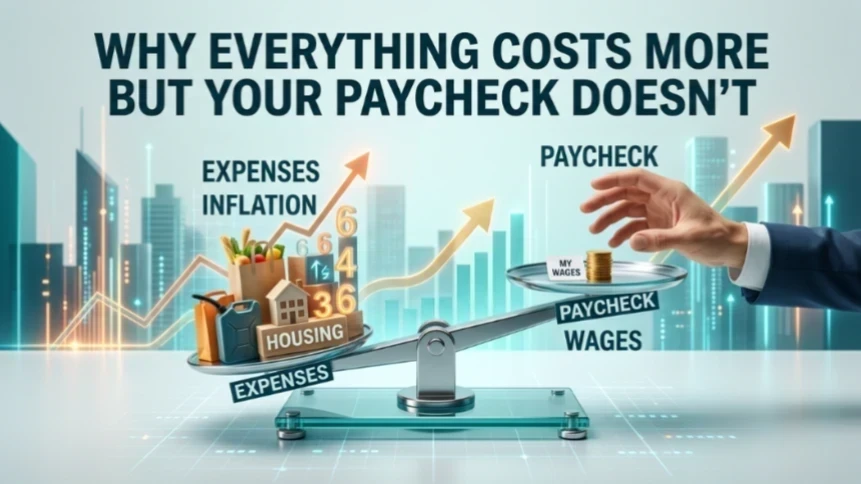
Saving is about protection. Investing is about growth. Both are essential. However, without investing, your money remains static. And over time, inflation slowly erodes its value.
Start small, but start now
Focus on consistency, not perfection
Think long-term, not overnight success
As a result, your money begins to work for you—even when you’re not actively earning more.
The Emotional Shift That Changes Everything
Perhaps the most powerful part of this journey isn’t financial—it’s emotional. When you take control of your money, you reduce stress, increase clarity, and feel a sense of empowerment that extends into every area of your life.
You stop feeling behind. You stop comparing. And most importantly, you stop reacting out of fear. Instead, you move with intention.
This emotional stability creates a positive cycle. Better decisions lead to better results. Better results reinforce better habits. And over time, what once felt impossible becomes your new normal.
Why Most People Stay Stuck (And How You Won’t)
Many people never reach this point because they’re waiting. Waiting for more money. Waiting for the perfect moment. Waiting for clarity. But waiting keeps you stuck.
The truth is, clarity comes from action—not before it. The moment you start paying attention, making small changes, and taking control, everything begins to shift.
Moreover, the earlier you start, the easier it becomes. Not because it’s simple—but because momentum builds.
Break the Cycle Today
If you feel overwhelmed, start small. If you feel lost, start simple. What matters is starting.
Track your spending today
Cut one unnecessary expense
Set aside a small amount—even $1
These actions may seem minor, but they are the foundation of financial transformation.
Stop waiting for the perfect moment to fix your finances. The truth is, your future changes the moment you decide to take control today. Start small, stay consistent, and watch your money begin to work for you—one decision at a time.
FAQ – How to Make Your Money Work for You (Even If You’re Broke)
1. How can I make my money work for me if I have no money?
Even if you have very little, the process starts with awareness and intentional decisions. Track your expenses, eliminate unnecessary costs, and redirect small amounts consistently. The key is not how much you start with, but how consistent you are over time.
2. What does it mean to make your money work for you?
It means using your money in a way that generates returns or long-term value instead of just spending it. This includes saving with purpose, investing, and creating systems where your money grows without requiring constant effort.
3. Is it possible to invest while living paycheck to paycheck?
Yes, but it requires discipline and prioritization. Even small contributions can be invested using beginner-friendly platforms. The goal is to build the habit first, then gradually increase the amount as your financial situation improves.
4. What is the first step to gaining financial control?
The first step is tracking where your money goes. Without clarity, there is no control. Once you understand your spending patterns, you can make conscious decisions and start redirecting your money toward your priorities.
5. Why do I feel like I never have enough money?
This often comes from a lack of visibility and unconscious spending habits. When money flows without awareness, it creates a constant feeling of scarcity, even if your income is stable.
6. How much should I save if I am broke?
Start with any amount you can, even if it is very small. The objective is to build consistency. Saving regularly, no matter how little, creates discipline and prepares you for larger financial steps in the future.
7. What is the difference between saving and investing?
Saving is about preserving money for short-term needs and emergencies. Investing is about growing your money over time. Both are essential, but investing is what allows your money to truly work for you.
8. How long does it take to see financial results?
Results depend on consistency and behavior. Small improvements can be seen within weeks, but significant financial change usually takes months or years. The earlier you start, the faster momentum builds.
9. Can financial habits really change my life?
Yes. Financial habits shape your decisions daily, and those decisions determine your long-term results. Changing your habits is often more powerful than increasing your income.
10. Why do most people fail to improve their finances?
Most people fail because they wait for the perfect moment or rely only on motivation. Real progress comes from small, consistent actions, even when it feels uncomfortable or slow.
Start by observing your financial habits without judgment.
Small changes in awareness can lead to meaningful transformation over time. As you begin to understand your patterns, you’ll find it easier to make decisions that truly support the life you want.
Why Smart People Still Struggle With Money (And How to Fix It for Good)
Money Awareness Changes Everything: How One Mental Shift Can Build Real Wealth
The Emotional Side of Financial Decisions