








Why financial stress follows you no matter how much you earn is a question more people are quietly asking than ever before. From the outside, everything may look fine. The promotion happened. The paycheck grew. The bills are getting paid. Yet somewhere beneath the surface, your chest still tightens every time your banking app opens. You still worry before going to sleep. You still feel like one unexpected expense could unravel everything.
If that sounds familiar, you are not failing. You are experiencing something modern life has quietly normalized: functioning while emotionally overwhelmed. Many successful people, especially women balancing careers, families, relationships, and endless responsibilities, continue carrying financial stress regardless of income. The real problem is rarely just the number on the paycheck.
The hidden truth is that financial peace is emotional before it is mathematical. Once you understand why, everything starts to make more sense.
Why Financial Stress Follows You No Matter How Much You Earn
Many people assume money problems disappear with higher income. Unfortunately, reality tells a different story.
As income increases, expectations often increase even faster. Better housing, higher insurance premiums, larger monthly subscriptions, family obligations, career pressure, and social comparison slowly become part of everyday life. Instead of feeling free, many people simply build a more expensive version of stress.
Moreover, your nervous system does not instantly recognize that your financial situation has improved. If years of uncertainty taught your brain that money equals danger, those emotional patterns can continue long after your salary changes.
In other words, your income changed, but your relationship with money did not.
Many people find that keeping a simple daily reflection inside a Five Minute Journal helps identify recurring worries before they silently control financial decisions. It is not about fixing everything overnight. It is about becoming aware of patterns that usually stay invisible.
Your brain remembers scarcity
If you spent years worrying about bills, debt, layoffs, or unexpected emergencies, your mind becomes trained to anticipate danger. Even when your bank balance improves, your body may continue reacting as if every purchase is a threat.
That creates constant hypervigilance. You check your accounts repeatedly. You hesitate before buying necessities. Then suddenly, emotional exhaustion leads to impulse spending because your brain desperately wants relief.
The cycle repeats.
You worry.
You restrict yourself.
You become mentally exhausted.
You spend emotionally.
You feel guilty.
You worry even more.
This is not lack of discipline. It is emotional overload expressing itself through money.
The Burnout Nobody Talks About
Burnout is usually associated with work, but financial burnout exists too.
It happens when every financial decision feels heavy. You constantly calculate. You compare prices. You think about retirement, inflation, healthcare, children's education, emergencies, and future security—all before breakfast.
The result is mental fatigue.
You continue showing up at work. You answer emails. You smile during meetings. Friends think you have everything under control.
Inside, however, your brain never truly rests.
That invisible exhaustion makes financial planning harder because decision fatigue reduces your ability to think clearly. As a result, even small choices feel overwhelming.
Modern life rewards constant pressure
Social media constantly shows someone earning more, investing better, retiring earlier, traveling farther, or buying a larger home.
Comparison quietly becomes your financial benchmark.
Even if you objectively earn enough, you emotionally feel behind.
This creates a dangerous illusion that no amount of money will ever be sufficient.
Many readers discover that improving sleep dramatically improves financial decision-making as well. A comfortable Weighted Blanket is often recommended by people looking to reduce nightly stress and improve emotional recovery. Better rest rarely solves financial problems directly, but it often improves the clarity needed to solve them.
The Hidden Cost of Living on Autopilot
One reason financial stress stays alive is that life becomes automatic.
You wake up tired.
You work all day.
You respond to notifications.
You buy convenience because there is no energy left.
You promise yourself next month will be different.
Then next month arrives looking exactly like the previous one.
This autopilot lifestyle slowly disconnects you from intentional financial choices.
Instead of deciding where your money goes, your exhaustion decides.
Mental overload changes spending behavior
Research consistently shows that stressed people seek immediate emotional relief.
That relief can appear as online shopping, food delivery, subscriptions, impulse purchases, or expensive conveniences.
None of these purchases seem significant individually.
Together, however, they quietly reinforce financial stress.
Ironically, many people blame themselves afterward instead of recognizing the emotional trigger behind the spending.
Self-compassion creates far more lasting change than self-criticism.
The Truth Moment: Financial Peace Is Built Differently
Here is the shift many people never hear.
Financial security is not only the result of earning more.
It is also the result of reducing internal chaos.
People who experience genuine financial peace usually develop small, repeatable systems rather than relying on motivation.
They regularly review spending without shame.
They simplify financial decisions.
They create realistic emergency savings goals.
They separate emotional needs from financial choices.
They allow progress to happen gradually.
These habits create confidence because consistency slowly replaces uncertainty.
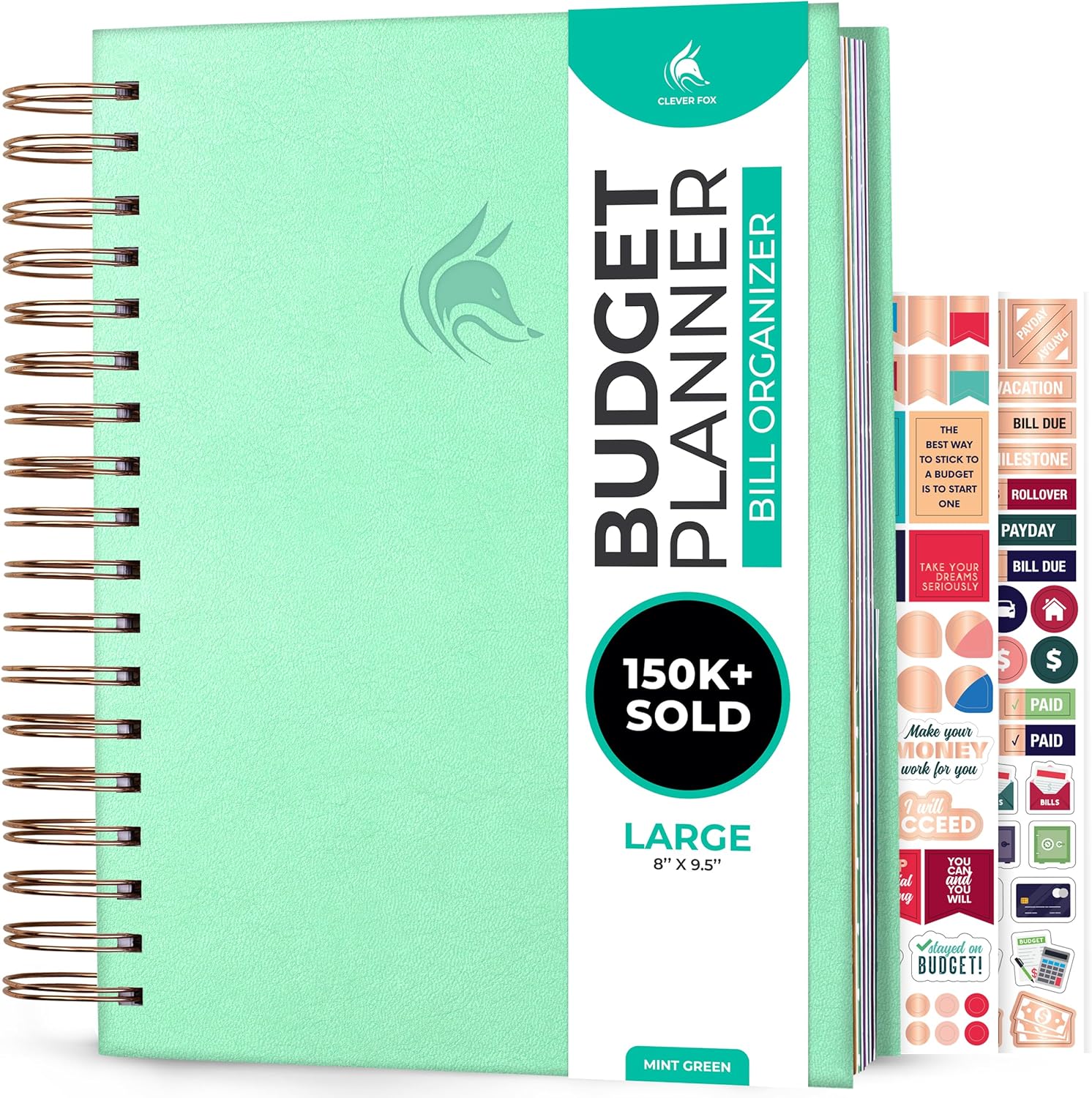
A practical digital tool like YNAB (You Need A Budget) can help organize spending into simple categories, making financial decisions feel less emotionally overwhelming. The goal is not perfection. It is clarity.
How to Begin Your Financial Reset
You do not need an entirely new life.
You need a pause long enough to notice what has been driving your financial stress.
Ask yourself these questions
Am I afraid of something that has not actually happened?
Do I spend because I am tired rather than because I truly need something?
Have I confused being busy with making progress?
What financial decision would make life feel lighter this month?
What expectation can I let go of today?
These questions are simple, but they interrupt autopilot.
More importantly, they remind you that your worth has never depended on the size of your paycheck.
The strongest financial foundation is built on awareness, not anxiety.
You Are Probably Closer Than You Think
If you have been functioning but not truly okay, know that countless people are living the same hidden reality.
The difference between ongoing financial stress and lasting financial confidence is often much smaller than it appears.
It begins with recognizing that emotional overload has been influencing financial decisions all along.
From there, each small improvement compounds. Better sleep supports clearer thinking. Clearer thinking supports better spending. Better spending creates more confidence. Confidence reduces stress, allowing healthier decisions to continue.
That positive cycle is every bit as powerful as the negative one.
Most importantly, remember this: earning more can improve your opportunities, but healing your relationship with money transforms your everyday experience of life.
If this article made you recognize yourself, do not ignore that feeling. Start your financial reset today by choosing one small habit that brings clarity instead of chaos. Read more practical guides, build simple routines, and give yourself permission to create financial peace one intentional step at a time. The life you want begins with the next decision you make.
For more practical insights, explore our related guides on mindful budgeting, emotional spending, creating an emergency fund, and building healthy financial habits that support both your money and your mental well-being.
FAQ
Why does financial stress continue even after my income increases?
Financial stress often comes from emotional habits and financial beliefs, not just income. As earnings grow, expenses, responsibilities, and expectations usually grow as well. Without changing your money mindset and financial habits, higher income alone rarely creates lasting peace of mind.
Is financial stress a sign that I'm bad with money?
Not at all. Many financially responsible people experience money anxiety. Financial stress is often linked to uncertainty, past financial experiences, burnout, and decision fatigue rather than a lack of financial knowledge or discipline.
How does burnout affect financial decisions?
Burnout reduces mental energy, making it harder to plan ahead and easier to make emotional purchases. When you're mentally exhausted, your brain naturally seeks quick comfort, which can lead to impulsive spending and increased financial anxiety.
Can emotional spending happen even if I earn a good salary?
Yes. Emotional spending is driven more by stress, loneliness, frustration, or exhaustion than by income level. Many high earners still struggle with impulse purchases because buying something can temporarily relieve emotional discomfort.
What is lifestyle inflation?
Lifestyle inflation happens when your spending increases every time your income increases. Instead of saving or investing the extra money, higher earnings are absorbed by larger homes, nicer cars, subscriptions, dining out, or other upgraded expenses, leaving you feeling financially stuck.
Why do I always feel like I don't have enough money?
Constant comparison, rising living costs, uncertainty about the future, and unrealistic expectations can create a feeling of scarcity even when your finances are stable. This emotional response often has more to do with perception than with actual income.
What are the first signs of financial burnout?
Common signs include constantly worrying about money, avoiding your bank account, feeling overwhelmed by bills, experiencing decision fatigue, losing sleep over finances, and feeling emotionally exhausted whenever money is mentioned.
How can I reduce financial stress without earning more?
Start by simplifying your finances. Track your spending, create a realistic budget, automate savings, reduce unnecessary financial decisions, and build an emergency fund. Improving sleep, managing stress, and practicing mindfulness can also make financial decisions much easier.
Does better mental health improve financial health?
Absolutely. Better mental health leads to clearer thinking, less emotional spending, improved planning, and more consistent financial habits. Taking care of your emotional well-being often has a direct positive impact on your financial life.
How long does it take to feel financially secure?
There is no universal timeline. Financial security develops gradually through consistent habits, realistic goals, emergency savings, and a healthier relationship with money. For many people, feeling in control begins long before reaching a specific income level.
Continue Building Your Financial Clarity
Now that you understand why money anxiety doesn’t go away even when you earn more, the next step is learning how to build a healthier and more peaceful relationship with your money.
You don’t need to fix everything at once.
Start with one small change — one habit, one tool, or one moment of awareness — and observe how your financial mindset begins to shift over time.
You may also like:
👉 The Truth About Money Discipline No One Talks About)
👉 You Don’t Have a Money Problem — You Have a Behavior Pattern
👉 Why You Struggle With Money Even When You Know What To Do
👉 You're Not Bad with Money: You're Repeating Patterns