







Why You Make Money But Still Feel Poor
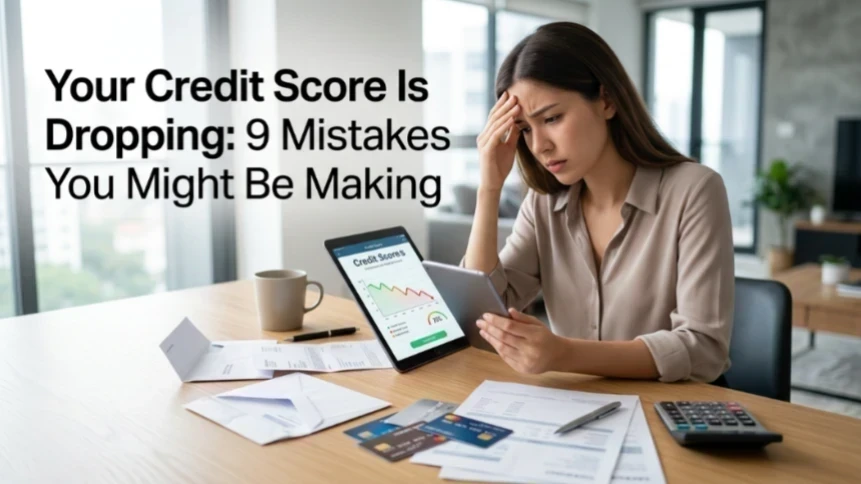
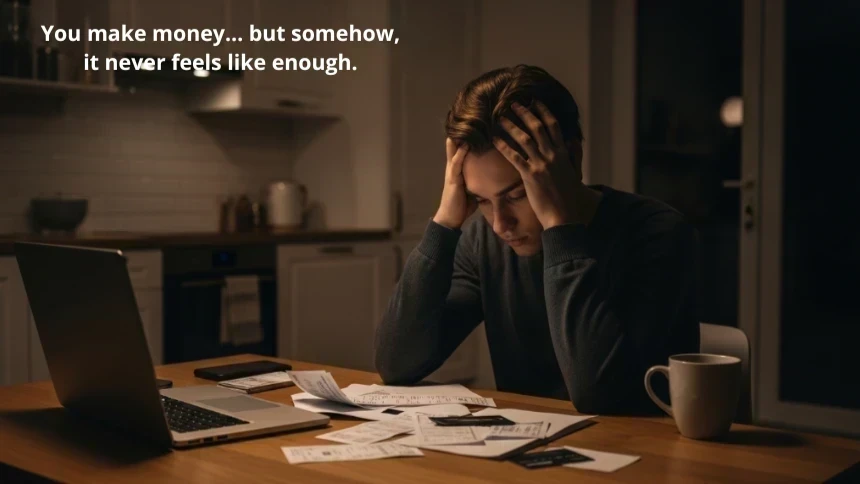
You make money. You work hard. On paper, everything should be fine. Yet somehow, that feeling persists — like you are always one step behind, always catching up, always lacking. If this sounds familiar, you are not alone. In fact, this emotional contradiction is more common than most people admit. And the truth is uncomfortable: feeling poor has less to do with how much you earn and more to do with how you experience money.
This is where things get deeper. Because what you are feeling is not just financial — it is psychological. And until you understand what is really happening beneath the surface, no increase in income will fix it.
The Illusion of Income vs. Real Wealth
At first glance, earning more money should solve everything. However, what most people don’t realize is that income and wealth are not the same thing. Income is what comes in. Wealth is what stays — and grows.
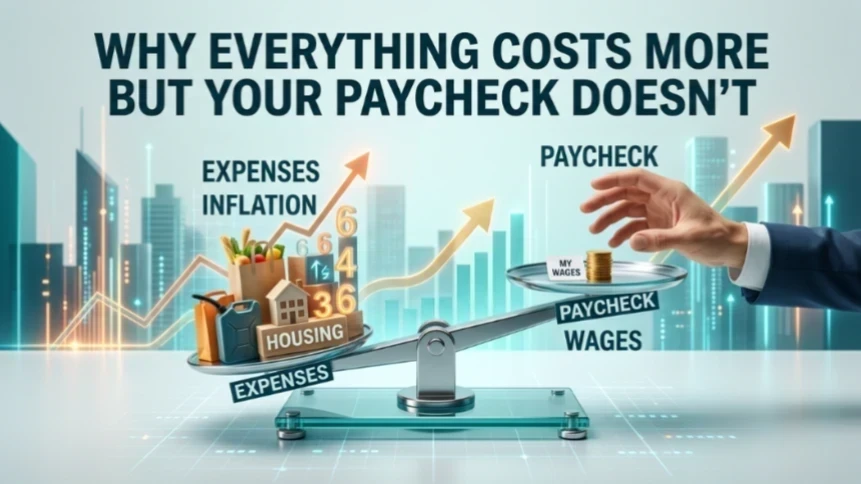
This gap creates a dangerous illusion. You might be making more than ever, but if your expenses rise at the same pace, your reality doesn’t change. In other words, your lifestyle expands faster than your financial stability.
The Lifestyle Trap
As your income increases, so do your expectations. Better restaurants, upgraded subscriptions, new gadgets, more comfort. None of these are inherently wrong. The problem is when they become automatic.
Moreover, your brain adapts quickly. What once felt like luxury becomes normal. And suddenly, what used to be enough no longer feels like it is.
Many people turn to tools like YNAB Budgeting App to create visibility and break this cycle, because awareness is the first step toward control.
Emotional Spending: The Silent Drain
Here is where things become even more subtle. You are not just spending money — you are responding to emotions. Stress, boredom, frustration, even celebration. Money becomes a tool for immediate relief.
As a result, spending is no longer about need. It becomes about feeling better in the moment.
The Dopamine Effect
Every purchase triggers a small dopamine release. It feels good. It gives you a sense of reward. But this effect is temporary — and addictive.
Over time, your brain starts associating spending with relief. And without realizing it, you begin to rely on it. That is when money starts slipping through your fingers without a clear reason.
This is why solutions like Impulse Spending Tracker Notebook can be powerful. Not because they stop you from spending, but because they make your behavior visible — and visibility changes everything.
The Comparison Trap: Why Enough Never Feels Enough
Even if you are financially stable, comparison can make you feel poor. Social media, friends, colleagues — there is always someone doing better, earning more, living bigger.
And your brain notices.
In other words, your perception of wealth becomes relative, not absolute.
Social Proof and Pressure
When you constantly see others upgrading their lives, it creates an invisible pressure. You feel like you should be doing the same. And if you are not, something must be wrong.
This leads to a subtle but powerful shift: you stop measuring your progress against your own goals and start measuring it against other people’s lives.
To counter this, many people adopt systems like Minimalist Financial Planner, which help refocus on personal priorities instead of external noise.
Lack of Financial Clarity Creates Anxiety
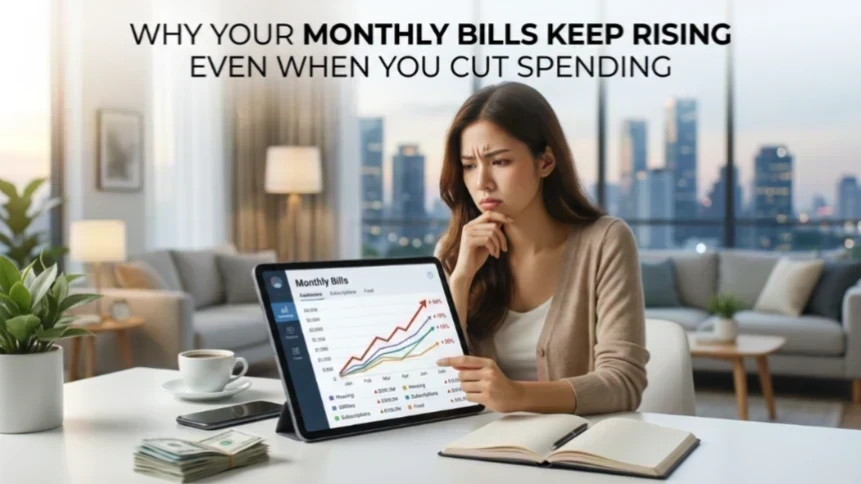
One of the biggest reasons you feel poor is surprisingly simple: you don’t have full clarity over your money. You know roughly how much you earn, and roughly how much you spend, but not exactly where everything goes.
This uncertainty creates anxiety. And anxiety feels like scarcity.
The Hidden Stress of Not Knowing
When you are unsure about your financial reality, your brain fills in the gaps with worst-case scenarios. Even if things are fine, it doesn’t feel that way.
As a result, you stay in a constant state of low-level stress — always cautious, always worried, always feeling like something could go wrong.
Clarity, on the other hand, creates confidence. When you know your numbers, you regain a sense of control.
Your Identity and Money Story
There is another layer most people never consider: your identity. The way you see money today is deeply influenced by your past experiences.
If you grew up with scarcity, instability, or financial stress, your brain may still operate from that place — even if your current reality is different.
The Subconscious Loop
You might earn more now, but internally, your mind still expects things to fall apart. This creates a disconnect between reality and perception.
In other words, your external life changes faster than your internal beliefs.
Breaking this loop requires awareness. Once you recognize the pattern, you can start rewriting it.
The Absence of a Clear System
Making money without a system is like pouring water into a bucket with holes. No matter how much you add, it never feels full.
What you need is structure. A simple, intentional system that tells your money where to go — instead of wondering where it went.
Control Creates Freedom
Many people resist structure because it feels restrictive. But the opposite is true. When you control your money, you gain freedom.
You stop guessing
You reduce stress
You make intentional decisions
You create progress you can actually see
And most importantly, you begin to feel different about your financial life.
How to Stop Feeling Poor (Even Before You Earn More)
This is the turning point. Because the goal is not just to earn more — it is to feel in control, stable, and secure.
Here are the key shifts that make the difference:
These changes may seem small. But together, they completely transform your relationship with money.
The Truth Most People Ignore
Feeling poor is not always about how much you have. It is about how much control you feel you have.
And control does not come from luck or income alone. It comes from awareness, intention, and consistent behavior.
Once you understand this, everything changes.
If you are tired of making money but still feeling stuck, this is your moment to shift. Take control of your finances, break the hidden patterns, and start building a life where your money finally works for you — not against you.
Here is the FAQ in a simple
1. Why do I feel poor even though I make money?
Feeling poor is often related to how you manage and perceive your money, not just how much you earn. If your expenses grow with your income or you don’t track your finances clearly, it can create a constant sense of lack.
2. What is lifestyle inflation?
Lifestyle inflation happens when your spending increases as your income rises. Instead of saving or investing more, you start spending more on comfort and upgrades, which prevents real financial progress.
3. Can emotional spending affect my finances?
Yes, emotional spending can have a big impact. When you buy things to cope with stress, boredom, or anxiety, you may feel good temporarily, but it often leads to unnecessary expenses and less financial stability.
4. How can I stop feeling poor?
You can start by tracking your expenses, creating a simple budget, and becoming more aware of your spending habits. Small changes in behavior can quickly improve your sense of control.
5. Does earning more money solve financial insecurity?
Not always. Without good financial habits, earning more can simply lead to spending more. True financial security comes from how you manage your money.
6. Why is financial clarity important?
Financial clarity helps you understand exactly where your money is going. This reduces stress, improves your decisions, and gives you a stronger sense of control over your financial life.
Start by observing your financial habits without judgment.
Small changes in awareness can lead to meaningful transformation over time. As you begin to understand your patterns, you’ll find it easier to make decisions that truly support the life you want.
Why Smart People Still Struggle With Money (And How to Fix It for Good)
Money Awareness Changes Everything: How One Mental Shift Can Build Real Wealth
The Emotional Side of Financial Decisions