
Stop Overpaying for Meat – Your Wallet Will Thank You
Let’s face it: meat is expensive. Whether you’re feeding a family or just yourself, the cost of steaks, roasts, and even chicken adds up fast. But here’s the good news: you don’t have to become a vegetarian to save money. With a few smart strategies, you can reduce your butcher expenses without sacrificing quality or flavor. In fact, you might even discover new favorites.
The first step is shifting your mindset. Instead of buying pre-cut, portioned meat, start thinking like a chef. Chefs buy primal cuts or whole animals because it’s cheaper per pound and gives them control over portions. You can do the same at home. Ask your butcher about whole chickens, pork shoulders, or even a side of beef. The upfront cost is higher, but the per-pound savings are significant.
Another key is to know which cuts are affordable. Chuck, brisket, short ribs, and pork shoulder are all budget-friendly and incredibly flavorful when cooked low and slow. These cuts require a bit more time, but they’re perfect for stews, roasts, and pulled meat. Plus, they often have more marbling, which means more taste.
Bulk Buying: Your Secret Weapon
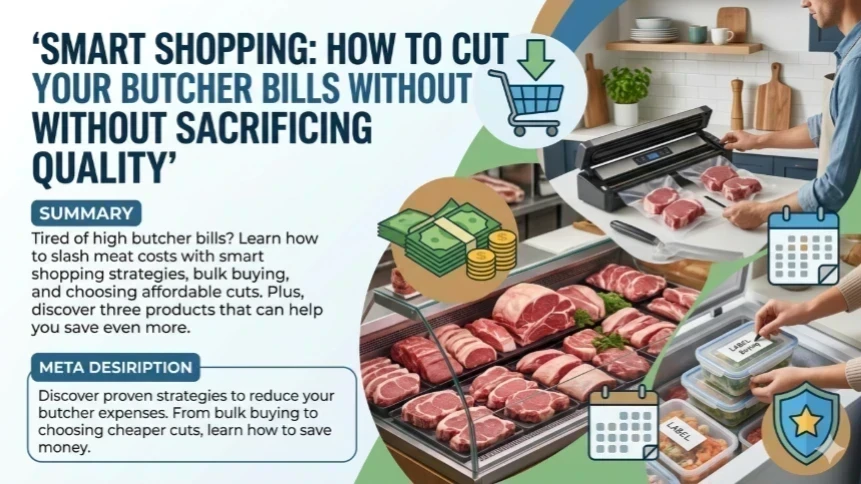
Buying in bulk is one of the most effective ways to reduce costs. Many butchers offer discounts when you purchase a whole animal or a large quantity. For example, buying a quarter cow can save you 20-30% compared to buying individual cuts. You’ll need freezer space, but Weston Vacuum Sealer is a game-changer here. It removes air, preventing freezer burn and preserving freshness for months. With a vacuum sealer, you can buy bulk without worrying about waste.
If a whole animal feels too much, try buying family packs or “butcher’s specials.” These are often priced lower because they’re less popular cuts or need to be sold quickly. Ask your butcher when they typically discount meat – many do so on Tuesday mornings when new shipments arrive.
Choose the Right Cuts for the Job
Not all cuts are created equal, but cheaper doesn’t mean worse. You just need to know how to cook them. Tough cuts like chuck, brisket, and pork shoulder are ideal for slow cooking, braising, or using in a pressure cooker. They become tender and juicy after hours of cooking. Meanwhile, cheaper cuts like sirloin tip or flank steak can be marinated and grilled quickly.
Moreover, ground meat is often more affordable than steaks. Use it for burgers, meatballs, or pasta sauces. You can also ask your butcher to grind cheaper cuts for you. Another tip: buy whole chicken and break it down yourself. Victorinox Fibrox Pro Chef's Knife makes this easy and safe. With a sharp knife, you can portion a whole chicken into breasts, thighs, drumsticks, and wings, saving up to 40% compared to pre-packaged parts.
Don’t Overlook Frozen Meat
Frozen meat is often just as good as fresh, especially if it’s flash-frozen. Many butchers sell frozen meat at a discount because they need to clear inventory. Plus, you can stock up when prices are low. Always check the freezer section for deals. And if you have a chest freezer, you can take advantage of sales year-round.
One more secret: look for “manager’s special” or “quick sale” stickers. These are placed on meat that’s approaching its sell-by date. You can freeze it immediately and use it later. That said, always smell and inspect the meat before buying – if it smells off, skip it. But in most cases, it’s perfectly fine and a fantastic bargain.
Build Relationships with Your Butcher
Your butcher is your best ally. A good relationship can lead to insider tips, special orders, and even discounts. Ask about upcoming sales, less popular cuts that are just as tasty, or if they can reserve certain portions for you. Many butchers will also grind or cut meat to your specifications for free.
Another advantage: butchers can advise on cooking methods for cheaper cuts. For example, they might recommend a chuck roast for a slow cooker or a pork butt for pulled pork. Le Creuset Dutch Oven is perfect for these slow-cooked dishes. Its heavy-duty construction distributes heat evenly, turning tough cuts into melt-in-your-mouth meals. Investing in a good Dutch oven pays for itself through cheaper meat.
Plan Your Meals Around Sales
Instead of deciding what to cook and then buying the meat, do the reverse: see what’s on sale and build your menu around it. Most butchers have weekly specials. Sign up for their newsletter or follow them on social media to stay updated. When you see a great deal on pork loin, buy extra and freeze it. Then plan meals like pork chops, stir-fries, or roasts later.
Also, consider cooking in bulk. Make large batches of stews, casseroles, or taco meat and freeze portions. This saves time and money because you’re using cheaper cuts and cooking once for multiple meals. That said, don’t forget to rotate your freezer stock – use the oldest meat first.
The Power of Less Meat
One drastic but effective way to cut costs is to reduce your meat consumption. That doesn’t mean going full vegetarian – instead, try “Meatless Mondays” or use meat as a flavoring rather than the main event. Think stir-fries with lots of veggies and a little chicken, or pasta with ground meat stretched with lentils. You’ll eat healthier and save money.
Another trick: stretch meat with fillers like mushrooms, beans, or grated vegetables. For example, mix finely chopped mushrooms with ground beef for burgers – you use less meat but still get the same volume and flavor. This works especially well in meatballs, meatloaf, and chili.
Finally, never throw away bones or scraps. Make stock from bones – it’s free and adds incredible flavor to soups and sauces. Or, render fat from bacon or beef trimmings to use for cooking. Every part of the animal can be used, reducing waste and stretching your dollar.
Stop bleeding money at the butcher counter. Start today: visit your local butcher, ask about bulk options, and grab a Weston Vacuum Sealer to lock in savings. Your future self (and your bank account) will thank you. Act now – the best deals don’t last forever!
FAQ – Save Money on Meat Like a Pro
1. Why am I spending so much money on meat without noticing?
Because most people rely on convenience. Pre-cut, packaged meat feels easier, but it silently increases your costs. Small decisions repeated weekly destroy your budgeting without you realizing it.
2. What is the fastest way to reduce my meat expenses immediately?
Start buying in bulk and switch to cheaper cuts today. This single change can reduce your spending by up to 30% instantly and strengthen your money saving plan.
3. Is budgeting really necessary to save money on groceries?
Yes—and not just any budgeting. You need a clear, simple system. Without budgeting, even the best money saving techniques fail because there’s no direction or control.
4. Are cheaper cuts actually worth it?
Absolutely. In fact, many cheaper cuts are more flavorful. When cooked properly, they outperform expensive cuts and become a key part of a smart savings strategy.
5. How do beginners start saving money on meat without feeling overwhelmed?
Focus on one step at a time. Learn how to budget for beginners, track your spending, and apply one or two money saving techniques first. Simplicity creates consistency.
6. Does buying in bulk really make a big difference long-term?
Yes. Bulk buying is one of the most powerful strategies. Over time, it compounds into hundreds or even thousands saved annually.
7. Is frozen meat a bad choice compared to fresh?
Not at all. Frozen meat is often just as high quality and much cheaper. Ignoring it means missing out on one of the easiest wins in budgeting.
8. What’s the biggest mistake people make when trying to save money on food?
Planning meals before checking prices. Smart shoppers reverse this—build meals around deals. This shift alone can transform your entire money saving plan.
Continue Building Your Financial Clarity
Now that you understand why money anxiety doesn’t go away even when you earn more, the next step is learning how to build a healthier and more peaceful relationship with your money.
You don’t need to fix everything at once.
Start with one small change — one habit, one tool, or one moment of awareness — and observe how your financial mindset begins to shift over time.
You may also like:
👉 The Truth About Money Discipline No One Talks About)
👉 You Don’t Have a Money Problem — You Have a Behavior Pattern
👉 Why You Struggle With Money Even When You Know What To Do
👉 You're Not Bad with Money: You're Repeating Patterns