









How to stop living paycheck to paycheck starting today
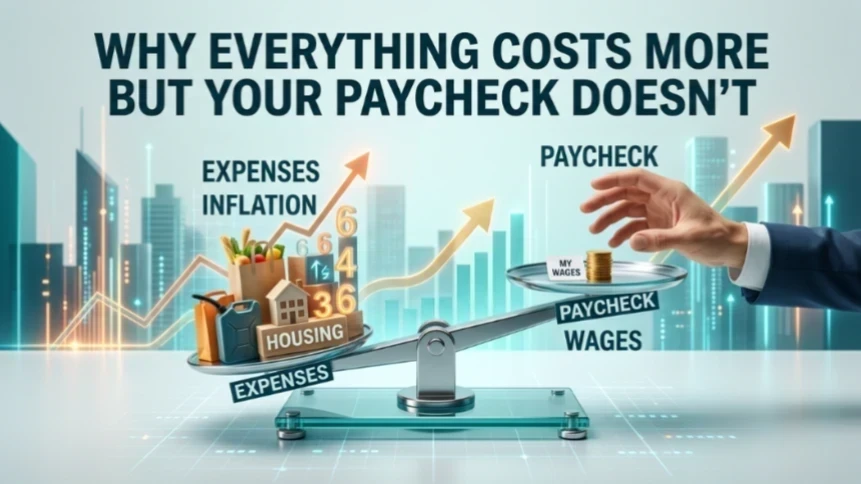
If you feel like your money disappears the moment it hits your account, you're not alone — and more importantly, you're not broken. This is happening to millions of people who were never taught how to actually manage money in a way that works in real life. The cycle feels invisible at first: you get paid, you feel a brief sense of relief, and then, almost without noticing, the money is gone. Bills, small purchases, “just this once” moments… and suddenly you're counting days until the next paycheck again.
What makes this even harder is the emotional weight behind it. The stress of constantly waiting for the next paycheck, juggling bills, avoiding checking your bank account, and feeling like you're always one step behind can drain your energy and confidence. It’s not just about money — it’s about control, security, and peace of mind. And when those are missing, everything else in life feels heavier.
But here’s the truth most people overlook: your situation can change — and it can change faster than you think — when you stop relying on willpower and start using the right strategy. This isn’t about restriction or sacrifice in the way you might imagine. You don’t need to cut out every small joy or live in constant deprivation. And you definitely don’t need to magically double your income overnight.
What you need is structure.
Because the real problem isn’t how much you earn — it’s the lack of a system that tells your money where to go before it disappears. Right now, your money is likely reacting to your life. What you’re about to learn is how to make your money lead it.
In other words, control comes before growth. Always.
When you build control, even with a limited income, something powerful happens: you create space. And that space — even if it starts small — is what breaks the cycle. It gives you breathing room, clarity, and eventually, momentum. And once momentum kicks in, everything changes.
This is where your transformation begins — not with more money, but with a smarter way to use what you already have.
The hidden cycle keeping you stuck
Most people are trapped in a simple but powerful loop: earn, spend, repeat. This pattern becomes automatic over time, driven by habits and emotional spending. As a result, there’s never anything left at the end of the month.
One of the most effective ways to break this cycle is awareness. Tools like the Smart Budget Tracker App make it easier to see exactly where your money goes, giving you clarity and control.
Track every expense, even small ones
Identify spending triggers
Set realistic limits
Review your finances weekly
This step may feel simple, but it’s where real change begins.
Practical strategies to stop living paycheck to paycheck
Now that you understand the problem, it’s time to shift your focus to what actually changes everything: the solution. Because awareness alone doesn’t break the cycle — action does. And not just any action, but intentional, consistent, and strategic action.
Learning how to stop living paycheck to paycheck isn’t about doing something extreme for a few days. It’s about making small, smart decisions that compound over time. The kind of decisions that don’t feel life-changing in the moment, but quietly build momentum behind the scenes. And that’s the good news: you don’t need a complete life overhaul to start seeing results.
You just need to start.
The first and most critical priority is creating financial breathing room. Without it, every unexpected expense feels like a crisis. Every bill feels urgent. And every decision feels pressured. Breathing room is what gives you options — and options are what create control.
So what does that actually mean in practice?
It means consistently spending less than you earn. Simple to understand, but often difficult to apply because of habits, lifestyle inflation, and emotional spending. Most people aren’t intentionally overspending — they’re unconsciously doing it.
That’s why this step is so powerful.
When you begin to intentionally create a gap between what comes in and what goes out, even if it’s small at first, something shifts. You move from reacting to your finances to directing them. That gap becomes your leverage. It’s what allows you to save, to prepare, and eventually, to grow.
And here’s where it gets interesting: the size of that gap matters less than the consistency of it.
Even a small surplus, repeated month after month, builds confidence. It proves to you that change is possible. It reduces anxiety. And most importantly, it breaks the psychological pattern of “there’s never enough.”
From there, momentum takes over.
You start looking at your money differently. You question purchases more intentionally. You feel a sense of control that wasn’t there before. And slowly, the cycle that once felt impossible to escape begins to weaken.
This is the turning point.
Not because everything changes overnight — but because you do. And once that happens, your financial reality has no choice but to follow.
Create immediate financial space
You don’t need drastic changes to start seeing results. Instead, focus on quick wins:
Cancel unused subscriptions
Cut back on impulse spending
Cook more meals at home
Negotiate recurring bills
For example, using a Compact Air Fryer for Home Cooking can significantly reduce your reliance on takeout, saving you money every week without sacrificing convenience.
These small shifts free up cash almost instantly—and that extra money is your escape route.
Build a system that works automatically
Stopping the paycheck-to-paycheck cycle isn’t about willpower alone. It’s about creating a system that makes good decisions easier and automatic. Once your system is in place, your financial life becomes simpler and more predictable.
A proven method is structuring your income into clear categories: needs, wants, and savings.
Simple structure, powerful results
Here’s how to implement it:
Calculate your net income
Allocate funds for essentials first
Set a controlled budget for lifestyle spending
Automatically transfer money to savings
Many people find success using tools like the Monthly Financial Planner Notebook, which provides a clear visual system to stay consistent and focused.
Automation is key here. When you save first and spend what’s left, everything changes.
The mindset shift that changes everything
There’s a deeper layer to learning how to stop living paycheck to paycheck: your mindset. Financial habits are often emotional, not logical. That means real change requires a shift in how you think about money.
Many people spend to feel better in the moment, but that creates long-term stress. Breaking this pattern is essential.
From impulse to intention
Before making a purchase, pause and ask yourself: does this support my future or sabotage it? This simple habit can completely transform your financial behavior.
Avoid emotional spending
Set clear financial goals
Visualize long-term freedom
Celebrate small wins
Over time, you move from reacting to money to controlling it.
The compounding effect of small actions
Imagine starting today. In the first month, you save a little. In the next, a bit more. Within a few months, you have a buffer. And once you have that cushion, the pressure disappears.
This is how people escape the paycheck-to-paycheck trap—not through luck, but through consistent action.
As your confidence grows, so does your ability to make smarter decisions. And eventually, you’re no longer surviving—you’re building.
If you’re tired of feeling stuck and ready to take control, start now. Not next week, not next month—today. One small action can set everything in motion. Your future self is waiting for this decision.
FAQ – Frequently Asked Questions
1. Why do I keep living paycheck to paycheck?
Because of a combination of lack of budgeting, impulsive spending, and not having a clear financial system. Without tracking your money, it’s easy to lose control.
2. Can I stop living paycheck to paycheck without earning more money?
Yes, absolutely. By organizing your finances, reducing unnecessary expenses, and creating saving habits, you can improve your situation even with your current income.
3. What is the first step to stop living paycheck to paycheck?
Start by tracking all your expenses. This gives you clarity on where your money is going and helps you make better decisions moving forward.
4. How much should I save each month?
Ideally, aim to save at least 10% to 20% of your income. However, if that’s not possible, start small and increase gradually.
5. How long does it take to break the paycheck-to-paycheck cycle?
It depends on your consistency. Many people start seeing results within a few months when they apply the right strategies consistently.
Start by observing your financial habits without judgment.
Small changes in awareness can lead to meaningful transformation over time. As you begin to understand your patterns, you’ll find it easier to make decisions that truly support the life you want.
Why Smart People Still Struggle With Money (And How to Fix It for Good)
Money Awareness Changes Everything: How One Mental Shift Can Build Real Wealth
The Emotional Side of Financial Decisions