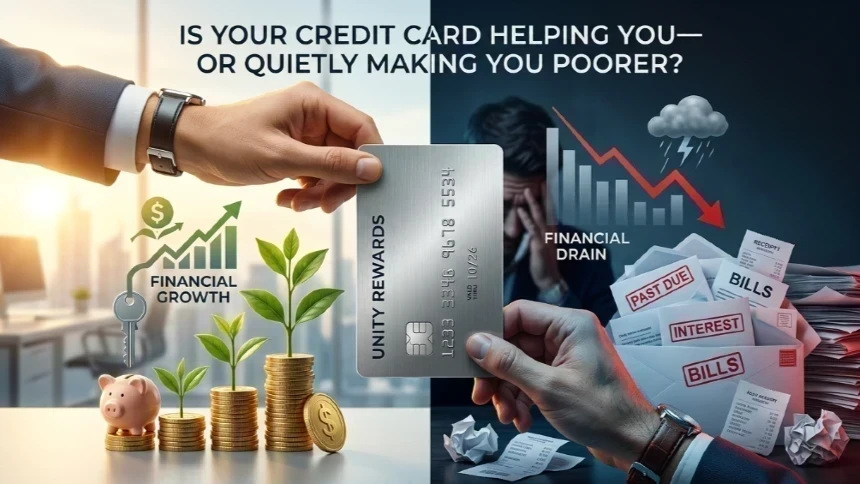






Credit card habits can keep you poor for years without looking like a financial crisis. That is what makes them so dangerous. You can be working, paying your bills, showing up for everyone around you, and still feel like something is deeply wrong with your money. The balance may not seem catastrophic. The purchases may have felt reasonable. Yet somehow, your paycheck arrives and disappears before you ever feel like you actually had it.
If you have been mentally exhausted, functioning but not okay, or living on financial autopilot, this may sound painfully familiar. Modern life normalizes emotional overload. Convenience becomes a coping mechanism. A stressful day turns into a delivery order. A busy week becomes another subscription. A difficult month goes on a credit card because there is no energy left to think about what happens next.
The problem is not that you are irresponsible. The problem is that certain credit card habits can quietly turn today's decisions into tomorrow's financial pressure. And once those habits become automatic, breaking them requires more than telling yourself to spend less.
Credit Card Habits Can Quietly Change Your Financial Future
The first thing to understand is simple: a credit card is not extra income. It is access to borrowed money, and borrowing can become expensive when the balance is carried from one billing cycle to another.
That sounds obvious, but real life is rarely that simple. When you are tired, overwhelmed, or worried about money, your brain tends to prioritize immediate relief over distant consequences. The purchase feels good now. The bill feels like a problem for future you.
Future you, unfortunately, still has to pay.
That is why these habits deserve attention. They do not always create an obvious financial emergency. Instead, they slowly reduce your flexibility. A little interest here, a fee there, another minimum payment, another purchase because available credit has returned. Over months and years, the pattern can become incredibly expensive.
A simple tool such as the YNAB budgeting app can help make spending more visible by connecting your available money with specific priorities. The important part is not the app itself. It is creating a system where your money becomes visible before you spend it.
Why financial stress makes these habits harder to notice
Financial stress is exhausting. When every decision feels urgent, even basic budgeting can feel like another responsibility you cannot handle.
That creates a frustrating cycle: stress leads to avoidance, avoidance leads to less awareness, and less awareness makes financial surprises more likely. As a result, the person who needs clarity the most may have the least emotional energy to look at the numbers.
You do not need to fix your entire financial life tonight. You need to identify the behaviors that are quietly working against you.
1. Making Only the Minimum Payment
One of the most expensive credit card habits is treating the minimum payment as if it were a normal repayment plan.
The minimum payment keeps the account current when you meet the card issuer's requirements, but it does not necessarily move you quickly toward becoming debt-free. When you carry a balance, interest can continue accumulating according to the terms of your card. That means part of your future payments may go toward the cost of borrowing rather than reducing what you originally spent.
This is where a small balance can become emotionally draining. You make the payment every month. You feel responsible. Yet the balance seems to move far more slowly than you expected.
And that can create a dangerous psychological trap: because you are making payments, you feel like the problem is being handled. Meanwhile, the debt may continue occupying space in your budget month after month.
What to do instead
Start by looking at the statement balance, interest rate, minimum payment, and current balance on every card. You are not trying to judge yourself. You are gathering facts.
If you can safely pay more than the minimum, direct additional money toward the repayment strategy that fits your situation. Some people prefer the avalanche method, which prioritizes higher-interest debt. Others prefer the snowball method, which focuses on smaller balances first for faster psychological wins.
The best strategy is often the one you can actually maintain.
2. Using Your Credit Card to Fund a Lifestyle Your Income Cannot Support
This habit is especially easy to miss because the purchases may not look extravagant individually.
A restaurant meal. New clothes. A weekend trip. Home décor. Online shopping. A convenience fee. A few subscriptions. Nothing feels outrageous on its own.
But if your regular lifestyle requires borrowed money to continue, the issue is not the individual purchase. It is the gap between your lifestyle and your cash flow.
This is where emotional spending can become complicated. When you are burned out, buying something can feel like a tiny reward for surviving another exhausting day. When you are overwhelmed, convenience feels like relief. When everyone around you appears to be doing more, spending can temporarily create the feeling that you are keeping up.
That emotional relief is real. So is the bill.
A practical tool such as the Rocket Money budgeting and subscription management app can help you identify recurring expenses that may have become invisible over time. The goal is not to eliminate every enjoyable purchase. It is to stop paying for things that no longer add enough value to justify their cost.
The question that changes the conversation
Instead of asking, “Can I put this on my credit card?” ask, “Would I still want this if I had to pay cash today?”
That small mental shift creates friction between impulse and action. Sometimes the answer will still be yes. That is fine. Intentional spending is different from unconscious spending.
3. Treating Your Credit Limit Like Available Money
Your credit limit can create a psychological illusion: the higher the number, the more money it feels like you have.
But your credit limit is not your income, savings, or emergency fund. It is simply the amount of credit your issuer is willing to make available under the account terms.
When your available credit increases, it can be tempting to increase spending as well. This is one reason a higher credit limit does not automatically improve someone's financial health.
Imagine finally paying down a card and seeing thousands of dollars become available again. If you immediately fill that space with new purchases, you have not created financial freedom. You have created another cycle.
Create a personal spending ceiling
Give yourself a spending limit based on your actual cash flow, not the credit limit shown on your account.
If your card has a $10,000 limit but you only have $2,000 available for discretionary spending this month, your practical spending capacity is closer to $2,000, not $10,000.
This distinction sounds simple, but it can dramatically change the way you see credit.
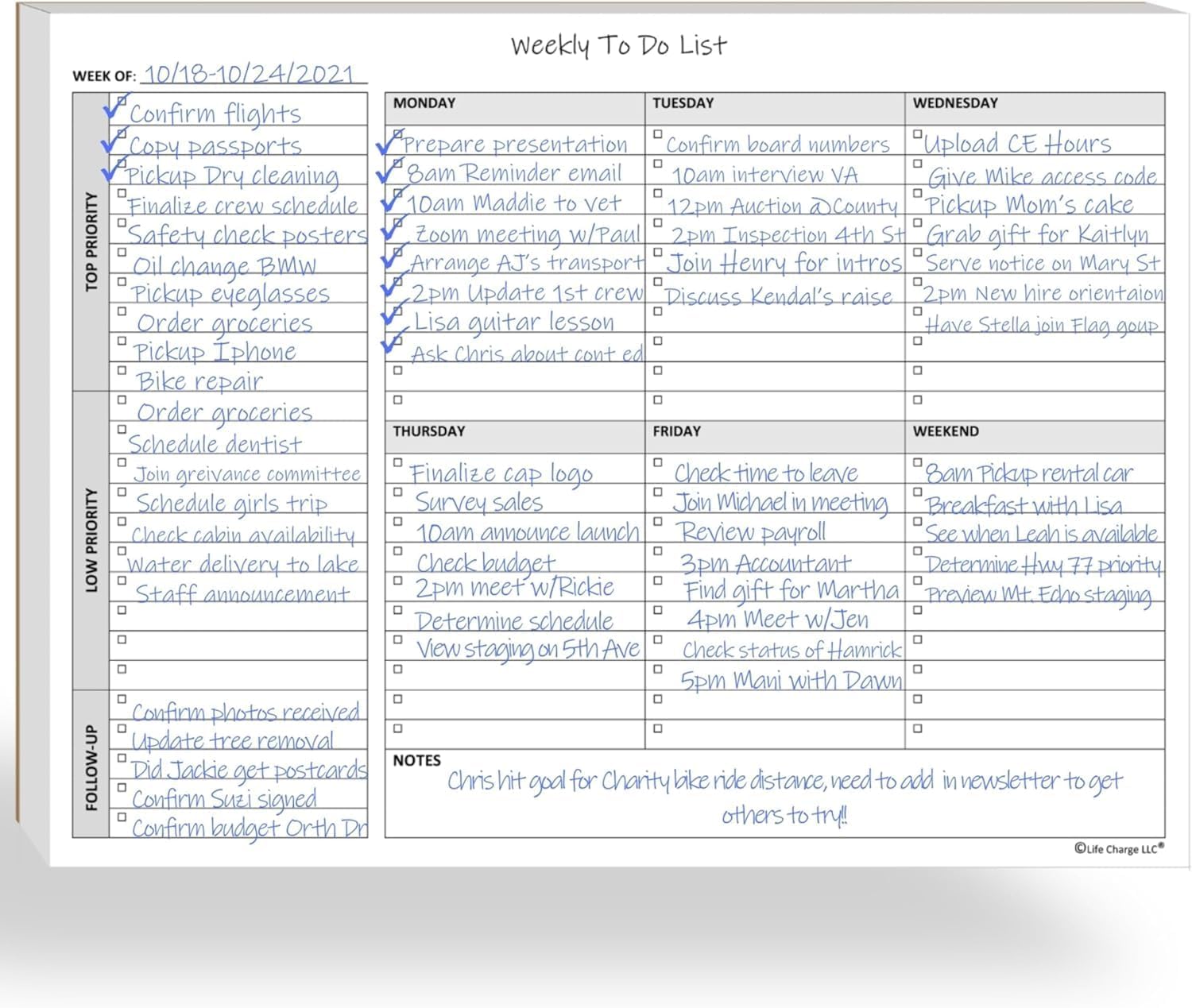
A physical budgeting tool such as the Erin Condren Budget Book can also make the process feel more tangible if you find that writing down your goals helps you stay connected to your spending decisions. The method matters less than creating a visible boundary.
4. Ignoring Interest Rates, Fees, and the Real Cost of Borrowing
Another dangerous credit card habit is avoiding the fine print because it feels overwhelming.
Interest rates can look like meaningless percentages when you are already stressed. Annual fees may seem small. Late fees may feel like unfortunate accidents. Cash advance costs can be easy to overlook until you actually need the money.
But these details affect the real cost of using credit.
If you carry a balance, your interest rate matters. If you regularly pay late, fees can make a difficult situation even harder. If you use a card for a transaction with different terms, the cost may not behave the way you expected.
You do not need to become a credit card expert overnight. You simply need to stop treating the terms as irrelevant.
Make your credit card statements impossible to ignore
Choose one day each month to review every card. Look for three things: what you bought, what you owe, and what the borrowing is costing you.
Then ask one uncomfortable but useful question: “Is this card helping me manage money, or am I using it to avoid facing money?”
That question can create the truth moment many people need.
5. Paying Off a Card and Then Immediately Starting Over
This is perhaps the most frustrating pattern of all.
You finally pay down the balance. You feel proud. You breathe again. Then something happens. A holiday arrives. Your car needs work. You have a stressful month. You start using the card again.
Before long, the balance returns.
If this has happened to you, it does not necessarily mean you lack discipline. It may mean the underlying system never changed.
Debt repayment without a plan for future expenses can become a revolving door. You remove the balance, but the next unexpected expense pushes you right back into borrowing.
Build a small buffer before chasing perfection
Once you are making progress on credit card debt, consider building a starter emergency fund alongside your repayment plan if your circumstances allow it. Even a modest cash cushion can create breathing room when life refuses to cooperate.
The goal is not to become financially perfect. The goal is to make the next unexpected expense less likely to become another credit card balance.
What These Credit Card Habits Are Really Costing You
The obvious cost is interest. But the deeper cost is opportunity.
Money sent toward old purchases cannot be used for current priorities. It cannot strengthen an emergency fund, support a future goal, reduce financial anxiety, or give you more freedom to make decisions.
There is also an emotional cost.
Constantly checking your balance can create mental fatigue. Avoiding statements can create anxiety. Feeling behind can affect your confidence. Financial pressure can follow you into your evenings, your relationships, and your sleep.
That is why money problems are not always about math. Sometimes they are about cognitive overload.
You may be functioning. You may be working. You may be paying bills. You may even look completely fine from the outside. But internally, you can still feel like you are running on empty.
Recognizing that distinction matters because shame rarely creates sustainable change. Clarity does.
How to Reset Your Credit Card Habits Without Overhauling Your Life
You do not need a complicated financial transformation. Start with a reset that is small enough to survive a stressful week.
List every credit card balance. Write down the balance, interest rate, minimum payment, and due date.
Stop guessing. Review the last 30 days of transactions and identify patterns instead of judging individual purchases.
Choose one repayment priority. Decide which balance gets your extra money and stick with the plan.
Create a spending boundary. Decide how much you can realistically spend without relying on future income.
Build a small cash buffer. Even a starter emergency fund can reduce the temptation to reach for credit when life gets messy.
Automate what you can. Automatic payments can reduce the chance of forgetting a due date, while automatic transfers can make saving less dependent on motivation.
Most importantly, make the system easy enough to use when you are tired.
Financial systems should work on your worst day, not only when you are motivated, well-rested, and completely organized.
The Goal Is Not to Fear Credit Cards
Credit cards are not automatically bad. Used carefully, they can be convenient and may offer benefits such as purchase protections, rewards, or other features depending on the card and its terms.
The danger comes from using credit without understanding the consequences.
You do not need to swear off every credit card forever. You need to make sure your spending decisions are controlled by your actual financial capacity rather than the amount a lender is willing to extend.
That distinction can change everything.
And if you recognize yourself in these habits, take that recognition seriously. Not as evidence that you failed, but as evidence that you finally found something worth changing.
Do not let another year disappear into minimum payments, forgotten subscriptions, and purchases you barely remember making. Open your credit card statements today, face the numbers without judgment, choose one habit to change, and take the first step toward getting your money back under your control.
You do not have to fix everything at once. One clearer statement. One intentional purchase. One extra payment. One canceled expense. One month of paying attention.
Those actions may look small today. But repeated consistently, they can create something far more valuable than a temporary feeling of relief: financial breathing room.
The real reset begins when you stop asking how much credit you have available and start asking how much freedom you want to create.
FAQ — 5 Credit Card Habits That Can Keep You Poor for Years
1. Can credit cards really keep you poor for years?
Yes. Credit cards can quietly damage your finances when you repeatedly carry balances, pay only the minimum, spend beyond your income, or use available credit as if it were cash. The problem is rarely one purchase—it is the pattern that continues month after month.
2. Why does paying the minimum on a credit card keep me stuck?
Because the minimum payment may do little to reduce the principal compared with the total amount you owe, especially when interest is accumulating. You can make payments every month and still feel like your balance barely moves. Paying more than the minimum, when financially possible, can help you reduce the debt faster and potentially lower the total interest paid.
3. Is using a credit card for everyday expenses a bad idea?
Not necessarily. The danger comes when you use a credit card to spend more than you can afford to repay. If you cannot comfortably pay for your purchases from your available income, the card may be turning everyday expenses into long-term debt.
4. Why do I keep using my credit card after paying off the balance?
Often, paying off the card solves the balance but not the behavior that created it. If there is no emergency fund, spending plan, or realistic cash-flow system, the next unexpected expense can send you straight back into debt. Breaking the cycle requires changing the system—not simply eliminating the current balance.
5. What is the biggest credit card mistake people make?
One of the biggest mistakes is treating available credit as available money. A $10,000 credit limit does not mean you have $10,000 to spend. It means the lender is allowing you to borrow up to that amount under the card's terms.
6. How can I stop credit cards from controlling my finances?
Start by facing the numbers. List every balance, interest rate, minimum payment, and due date. Then review your recent transactions and identify where your money is actually going. Choose one repayment strategy, create a realistic spending limit, and build a small emergency cushion if possible.
7. Should I stop using credit cards completely?
Not necessarily. Some people can use credit cards responsibly and pay their balances in full. The key question is whether the card is helping you manage money or allowing you to spend money you do not actually have. If using the card repeatedly creates debt and financial stress, reducing or temporarily stopping its use may be a useful reset.
8. How long does it take to break bad credit card habits?
There is no universal timeline. What matters is creating a system you can repeat consistently. The first step can happen today: stop ignoring the statements, understand what you owe, identify your most damaging habit, and change one behavior at a time. Small changes repeated for months can completely change your financial direction.
Continue Building Your Financial Clarity
Now that you understand why money anxiety doesn’t go away even when you earn more, the next step is learning how to build a healthier and more peaceful relationship with your money.
You don’t need to fix everything at once.
Start with one small change — one habit, one tool, or one moment of awareness — and observe how your financial mindset begins to shift over time.
You may also like:
👉 The Truth About Money Discipline No One Talks About)
👉 You Don’t Have a Money Problem — You Have a Behavior Pattern
👉 Why You Struggle With Money Even When You Know What To Do
👉 You're Not Bad with Money: You're Repeating Patterns