






The new rules of money are not about becoming better at deprivation. They are about learning how to live when the old financial rules no longer seem to work. If you have been working hard, paying your bills, watching your spending, and still wondering where your money went, you are not imagining the pressure. When everything costs more, even ordinary decisions can start feeling exhausting.
And there is another part nobody talks about enough. You can be financially responsible and still feel financially overwhelmed. You can be functioning, answering emails, showing up for work, caring for everyone around you, paying the bills, and making dinner while quietly wondering how much longer you can keep doing all of this.
That feeling matters.
Because sometimes the problem is not that you need more discipline. Sometimes you need a different financial system for a different world.
The new rules of money begin with accepting that reality instead of blaming yourself for not fitting into an outdated version of it.
The New Rules of Money Start With the Reality You Are Living In
The first new rule of money is simple: stop measuring today's financial life against yesterday's expectations. If groceries, housing, transportation, insurance, utilities, subscriptions, and everyday services take more of your paycheck than they once did, your old budget may no longer reflect reality.
This is where many people get stuck. They create a budget based on what they think they should be spending rather than what their current life actually requires. Then the numbers do not work. The budget gets broken. They feel guilty. They try again. Eventually, money becomes another source of emotional exhaustion.
That cycle can be especially draining when you are already carrying invisible responsibilities. Maybe you are managing appointments, household purchases, family schedules, work deadlines, and dozens of small decisions nobody else notices. By the end of the day, deciding whether a purchase fits the budget can feel like one more task you simply cannot handle.
Instead, start with observation.
Build a budget around your real life
Look at the last month without judging it. Ask what actually happened instead of what you wish had happened.
Which expenses increased?
Which bills are unavoidable?
Which subscriptions are still useful?
Where did convenience spending appear?
Which purchases happened because you were tired or stressed?
How much money is genuinely available after essential expenses?
In other words, your first goal is not to cut. Your first goal is to see.
A budgeting tool such as YNAB can help organize those decisions by giving your money a clear job. You do not need a complicated financial system, however. A spreadsheet, notebook, or banking app can work just as well if it helps you understand what is happening.
The important shift is psychological: you are not failing because the old plan stopped working. You are updating the plan because your circumstances changed.
When Everything Costs More, Your Attention Becomes a Financial Asset
One of the most overlooked new rules of money is that your mental energy has financial value. Every decision consumes some attention. Should I buy this? Can I afford that? Is this subscription worth it? Should I use the credit card? Can I wait until payday?
One decision is manageable. Hundreds of decisions become mental fatigue.
This is why someone can understand personal finance perfectly and still make an impulsive purchase after a brutally long day. Knowledge does not eliminate exhaustion. When your brain is overloaded, convenience becomes incredibly attractive.
You order dinner because cooking feels impossible. You buy something online because it gives you a tiny moment of excitement. You pay for a service you barely use because canceling it feels like another project.
None of these decisions makes you irresponsible.
But repeated often enough, they can become a silent money leak.
Make good financial decisions easier
The answer is not to demand more willpower from yourself. It is to remove unnecessary decisions.
Automate savings whenever your cash flow allows it.
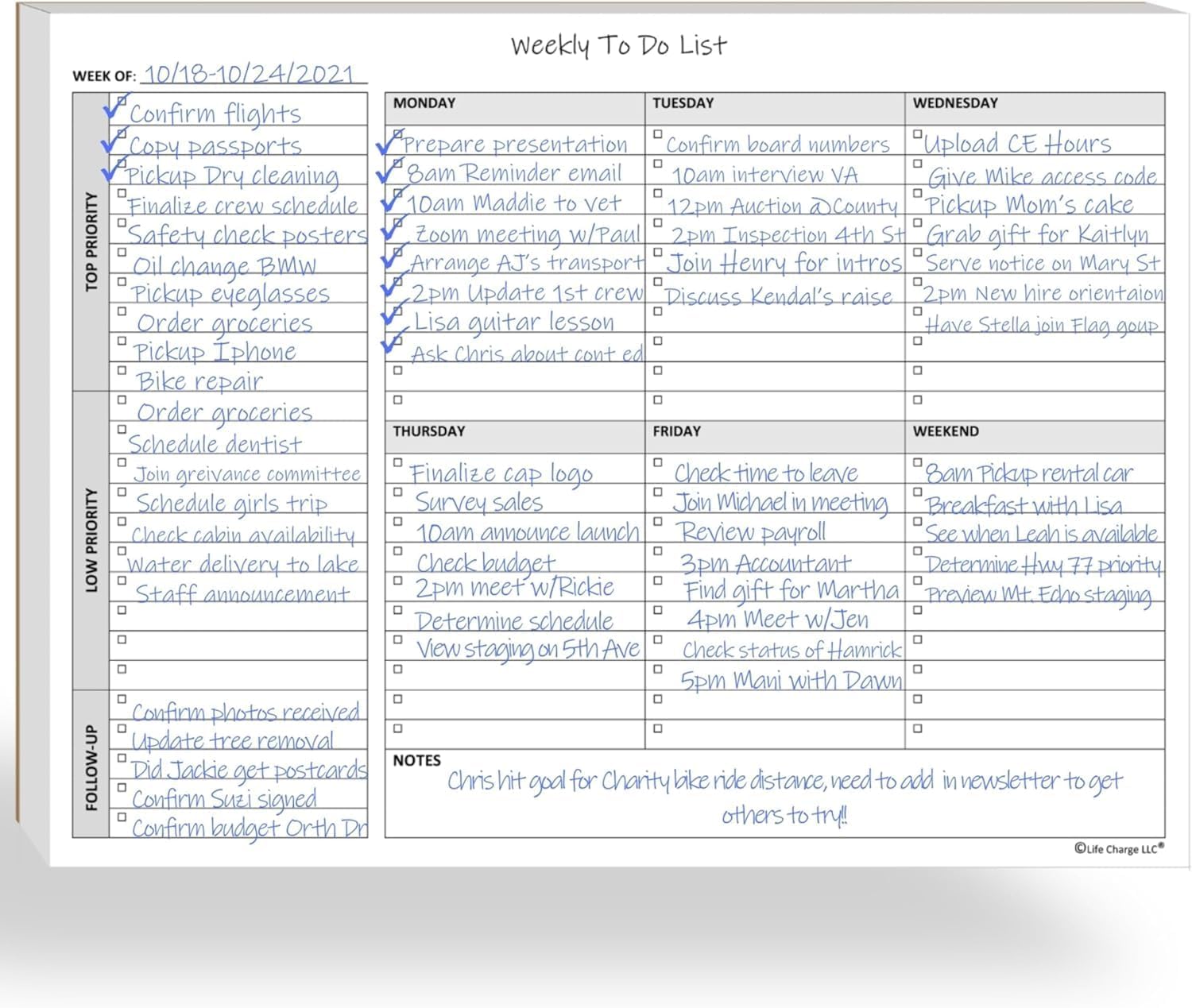
Set a recurring weekly time for financial check-ins.
Keep a short list of essential bills and upcoming expenses.
Cancel recurring charges you no longer value.
Create a realistic amount for guilt-free spending.
Avoid major purchases when you are emotionally exhausted.
Automation matters because it allows your future self to benefit from a decision your present self already made. It is one less thing to remember.
A simple journaling practice can also reveal something your bank statement cannot: why you spend when you spend. A journal such as The Five Minute Journal can provide a small space to slow down, reflect, and notice patterns between stress, mood, and behavior. It is not a financial product, but the emotional awareness it encourages can support better decisions.
That connection is more powerful than it sounds. If you discover that your biggest spending moments happen after stressful workdays, the solution may not be another spending restriction. It may be finding a different way to recover.
The New Rules of Money Include Your Emotional Health
Here is the uncomfortable truth: you do not make money decisions as a spreadsheet. You make them as a person who gets tired, worried, frustrated, lonely, excited, overwhelmed, and occasionally desperate for a break.
Modern life has normalized emotional overload. Being constantly available is normal. Being busy is normal. Checking notifications all day is normal. Working while exhausted is normal. Taking care of everyone else before yourself is normal.
But normal does not always mean healthy.
This is where burnout and financial behavior can intersect. When you are mentally exhausted, planning for the future can feel impossible. Immediate relief becomes more important than long-term goals because your brain is simply trying to get through the next few hours.
Functioning does not mean you are okay
Maybe you are still paying every bill. Maybe your credit score is fine. Maybe you have a job and a savings account. From the outside, everything looks normal.
Inside, however, you may feel like you are constantly catching up.
You may open your banking app several times a week because you are anxious about what you will find. You may avoid looking at your credit card balance because you do not have the emotional energy for another problem. You may think about money while trying to fall asleep and wake up already calculating what needs to be paid.
This is not simply a budgeting issue.
It is a clarity issue.
One of the new rules of money is therefore to create a boundary around financial thinking. Choose a specific time each week to review your accounts, upcoming bills, savings, and spending. Then allow yourself to stop.
You do not need to solve your entire financial life every night.
Rest matters too. A sleep-focused product such as Hatch Restore may fit into a broader evening routine designed to create separation between the day's responsibilities and bedtime. It will not fix a financial problem, but creating better recovery habits can make it easier to approach difficult decisions with a clearer mind.
Stop Living on Financial Autopilot
The fourth new rule of money is to notice what happens automatically.
Autopilot is convenient. It saves attention. But it can also hide expensive habits.
A subscription renews. A delivery order becomes routine. A streaming service quietly charges your card. A small convenience purchase happens again and again. A credit card makes the transaction feel painless until the statement arrives.
The danger is not necessarily one large purchase. It is the accumulation of decisions you barely notice.
Try a 15-minute money reset
You do not need an entire weekend to reorganize your finances. Start with fifteen minutes.
Open your primary checking account and answer three questions:
How much money is available right now?
What important expenses are coming next?
What is one financial decision I can improve this week?
Then stop.
Do not turn fifteen minutes into three hours of anxiety. The purpose is not to create a perfect budget. The purpose is to reconnect with reality.
After several weeks, patterns begin to appear. You may discover that you are not spending randomly. Perhaps spending rises when you are overwhelmed. Maybe weekends are expensive because you need convenience. Maybe your biggest problem is not daily purchases but recurring bills that have slowly expanded.
Once you can see the pattern, you can change it.
The New Rules of Money Mean Protecting Cash Flow First
When prices rise, protecting your monthly cash flow becomes more important than chasing perfection.
Cash flow simply means understanding the relationship between money coming in and money going out. If your essential expenses consume almost everything you earn, aggressively focusing on small savings may distract you from the larger issue.
Look at the biggest categories first.
Housing
Transportation
Food
Insurance
Debt payments
Utilities
Recurring subscriptions
A five-dollar cut can be useful, but it may not matter as much as renegotiating a large recurring expense or changing an expensive habit that happens every week.
That said, small savings are not meaningless. They can create momentum. The psychological effect of seeing yourself make progress can be surprisingly powerful. One intentional decision can become two, then five, and eventually a completely different relationship with money.
Give yourself a financial breathing room category
One mistake people make when trying to regain control is eliminating every enjoyable expense. That can work for a short time, but it often creates resentment.
A better approach is to deliberately include some spending that makes life feel human.
Maybe it is coffee with a friend. Maybe it is a book, a meal out, a small hobby, or something that makes your home more comfortable. The exact category does not matter as much as the intention.
When enjoyment is planned, it does not have to become a source of guilt.
Credit Cards Need a New Set of Rules Too
Credit cards can be useful financial tools, but when everything costs more, they can also make rising expenses harder to feel in real time.
A purchase made today may not feel significant until several transactions accumulate. Then the statement arrives and the emotional impact is much larger.
The new rule is not “never use credit.” It is know exactly what job your credit card is performing.
If you use a card for rewards and pay the statement balance in full, that is a very different situation from using credit to cover essential expenses because your checking account is already empty.
Ask yourself:
Can I pay this balance in full?
Am I using credit for convenience or necessity?
Will this purchase create pressure next month?
Am I buying something because I need it or because I need relief?
Those questions can interrupt autopilot before it becomes a problem.
You Do Not Need More Money Advice. You May Need More Clarity.
There is an endless supply of financial advice online. Save more. Invest more. Cut coffee. Start a side hustle. Pay off debt. Use this app. Follow that strategy.
Some of that advice is useful. But when you are emotionally overwhelmed, another hundred tips can feel like another hundred responsibilities.
The most valuable financial strategy may be the one you can actually maintain.
That means fewer rules, fewer decisions, and clearer priorities.
Start by deciding what you are protecting. Maybe it is an emergency fund. Maybe it is staying out of credit card debt. Maybe it is having enough money for groceries without anxiety. Maybe it is creating breathing room so one unexpected expense does not destroy your month.
Your goal does not have to impress anyone.
It has to make your life feel more stable.
What to Do This Week When Everything Costs More
You do not need to wait for the perfect financial moment. There probably will not be one.
Instead, take five small actions.
Check your current account balance without judging yourself.
List the next five essential expenses.
Review recurring subscriptions and automatic charges.
Choose one financial habit to automate or simplify.
Schedule one fifteen-minute money check-in for next week.
That is enough to begin.
And if you feel resistance, pay attention to it. Resistance often appears when something has become emotionally loaded. You are not just looking at numbers. You are confronting uncertainty, expectations, fear, and sometimes the belief that you should have figured everything out already.
You do not have to punish yourself for being human.
Take the first step today. Open your bank account, look at the numbers, and make one decision that gives your future self more breathing room. Do not wait until you feel motivated. Do not wait until prices fall. Do not wait until life becomes less busy. The new rules of money begin the moment you stop operating on autopilot and start choosing intentionally.
The Real Shift Is Not Spending Less. It Is Living With More Intention.
The world may not suddenly become cheaper. Bills will still arrive. Groceries will still need to be purchased. Unexpected expenses will still happen.
But your relationship with money can change.
You can stop treating every difficult month as evidence that you are failing. You can stop believing that financial control requires constant anxiety. You can stop making every purchase a referendum on whether you are disciplined enough.
Instead, you can build a financial system that respects the person behind the numbers.
The new rules of money are ultimately about adaptation. Protect your cash flow. Reduce decision fatigue. Make savings easier. Review recurring expenses. Give yourself intentional room for enjoyment. Pay attention to emotional spending. Create boundaries around financial worry.
Most importantly, remember this: functioning is not the same as thriving.
If you have been earning, paying, working, caring, and somehow still feeling like you are falling behind, you do not necessarily need to push yourself harder.
You may need to make your financial life simpler.
Because when everything costs more, the goal is not to become perfect with money.
The goal is to make your money work with the life you actually have.
FAQ Forte
1. Why does money feel harder to manage when everything costs more?
Because rising prices do more than reduce your purchasing power — they increase the number of financial decisions you have to make. When groceries, housing, bills, transportation, and everyday necessities become more expensive, your old budget can stop working even if your habits have not changed. The result is often financial stress, mental fatigue, and the frustrating feeling that you are doing everything right but still falling behind.
2. What are the new rules of money when the cost of living keeps rising?
The new rules are less about extreme budgeting and more about adapting. Focus on protecting cash flow, identifying your biggest expenses, automating savings when possible, eliminating recurring costs you no longer need, and creating a simple weekly money check-in. Most importantly, stop expecting yourself to manage today's financial reality with yesterday's rules.
3. Can financial stress cause you to spend more money?
Yes. When you are exhausted, anxious, or emotionally overwhelmed, convenience and immediate relief can become more attractive. You might order food because you cannot face cooking, shop online because you need a quick emotional lift, or ignore a subscription because canceling it feels like another task. Recognizing these patterns is not about blaming yourself. It is about discovering where your money and emotional energy are connected.
4. What if I am financially responsible but still feel exhausted?
You can be paying your bills, working hard, saving occasionally, and still experience serious financial overwhelm. Being financially responsible does not mean you should think about money constantly. If managing your finances has become another source of anxiety, simplify the system. Automate what you can, schedule a short weekly review, and stop trying to solve every financial problem at once.
5. How can I stop living on financial autopilot?
Start with a 15-minute money reset. Check your current balance, look at your next essential expenses, review recurring charges, and choose one financial decision to improve this week. You do not need to rebuild your entire budget in one sitting. The goal is to replace unconscious spending with intentional decisions, one small step at a time.
6. What is the biggest mistake people make when everything costs more?
One of the biggest mistakes is assuming the answer is simply to cut harder. Extreme restrictions can create frustration, guilt, and eventually rebound spending. A better approach is to examine the largest pressure points in your budget, reduce unnecessary expenses, protect essential cash flow, and create a financial system that still works when you are tired or having a difficult month.
7. Is earning more always the solution to financial stress?
Not necessarily. More income can certainly help, especially when essential expenses are consuming most of your paycheck. But if spending is happening automatically, recurring expenses are growing, or financial decisions are being driven by stress, earning more alone may not create the relief you expect. More money helps most when paired with greater clarity and intentionality.
8. What should I do today if I feel completely overwhelmed by my finances?
Do not try to fix everything today. Open your bank account and look at the actual number. Write down the next few essential bills. Identify one expense you can eliminate, reduce, or postpone. Then stop. You are not trying to become perfect with money in one afternoon. You are taking back enough clarity to make your next decision from a place of control instead of panic.
Continue Building Your Financial Clarity
Now that you understand why money anxiety doesn’t go away even when you earn more, the next step is learning how to build a healthier and more peaceful relationship with your money.
You don’t need to fix everything at once.
Start with one small change — one habit, one tool, or one moment of awareness — and observe how your financial mindset begins to shift over time.
You may also like:
👉 The Truth About Money Discipline No One Talks About)
👉 You Don’t Have a Money Problem — You Have a Behavior Pattern
👉 Why You Struggle With Money Even When You Know What To Do
👉 You're Not Bad with Money: You're Repeating Patterns