






How to grow your money without taking big risks sounds almost too simple in a world that constantly tells you success requires bold moves, perfect timing, or endless hustle. The truth is very different. If you've been feeling mentally exhausted, overwhelmed by financial advice, or quietly wondering why managing money feels so stressful, you're far from alone. Modern life rewards constant action, yet the strongest financial progress often comes from calm, consistent decisions.
You may be functioning every day—working, paying bills, checking your bank account—but still feel like something is missing. That emotional weight is real. Financial stress rarely comes from numbers alone. It grows from uncertainty, comparison, and the belief that everyone else has figured it out except you.
This article isn't about chasing the next hot investment. Instead, it's about creating steady growth that lets you sleep well at night while your money quietly works in the background.
How to Grow Your Money Without Taking Big Risks Starts With Peace of Mind
The biggest misconception about wealth is that it requires constant risk. In reality, many financially successful people focus first on protecting what they already have. Stability creates confidence, and confidence leads to better long-term decisions.
When your mind is overloaded, every financial choice feels bigger than it really is. Mental fatigue often leads to emotional spending, avoiding your budget, or endlessly researching investments without ever taking action.
Instead of trying to find the perfect opportunity, build a system that works automatically.
Create an emergency fund.
Automate monthly savings.
Invest consistently instead of occasionally.
Ignore daily market noise.
Review your finances once a month instead of every day.
Many people also find that using a simple notebook or a digital journal helps reduce financial anxiety. Something like the Five Minute Journal can become part of a calming daily routine that keeps financial goals visible without becoming overwhelming.
Moreover, slowing down doesn't mean falling behind. It often means making fewer mistakes.
Why emotional clarity matters
Money decisions are rarely just mathematical. They are emotional. When you're burned out, every financial headline feels urgent. Every market drop feels personal. Every social media success story makes you question yourself.
The hidden truth is that emotional stability is one of the most valuable financial assets you'll ever build.
Build Wealth Slowly Through Consistency, Not Excitement
If you truly want to know how to grow your money without taking big risks, focus on consistency instead of excitement. Compound growth rewards patience far more than dramatic decisions.
Imagine investing the same amount every month regardless of market headlines. Some months prices are higher. Some months they're lower. Over years, those regular investments average out, reducing the pressure to perfectly time the market.
As a result, your financial future depends less on predicting the economy and more on maintaining simple habits.
Simple strategies that actually work
Increase your savings rate whenever your income grows.
Choose diversified investments instead of individual stocks.
Reinvest earnings automatically.
Avoid emotional buying and selling.
Stay invested for years, not weeks.
These habits may sound ordinary, but ordinary habits often produce extraordinary results when repeated consistently.
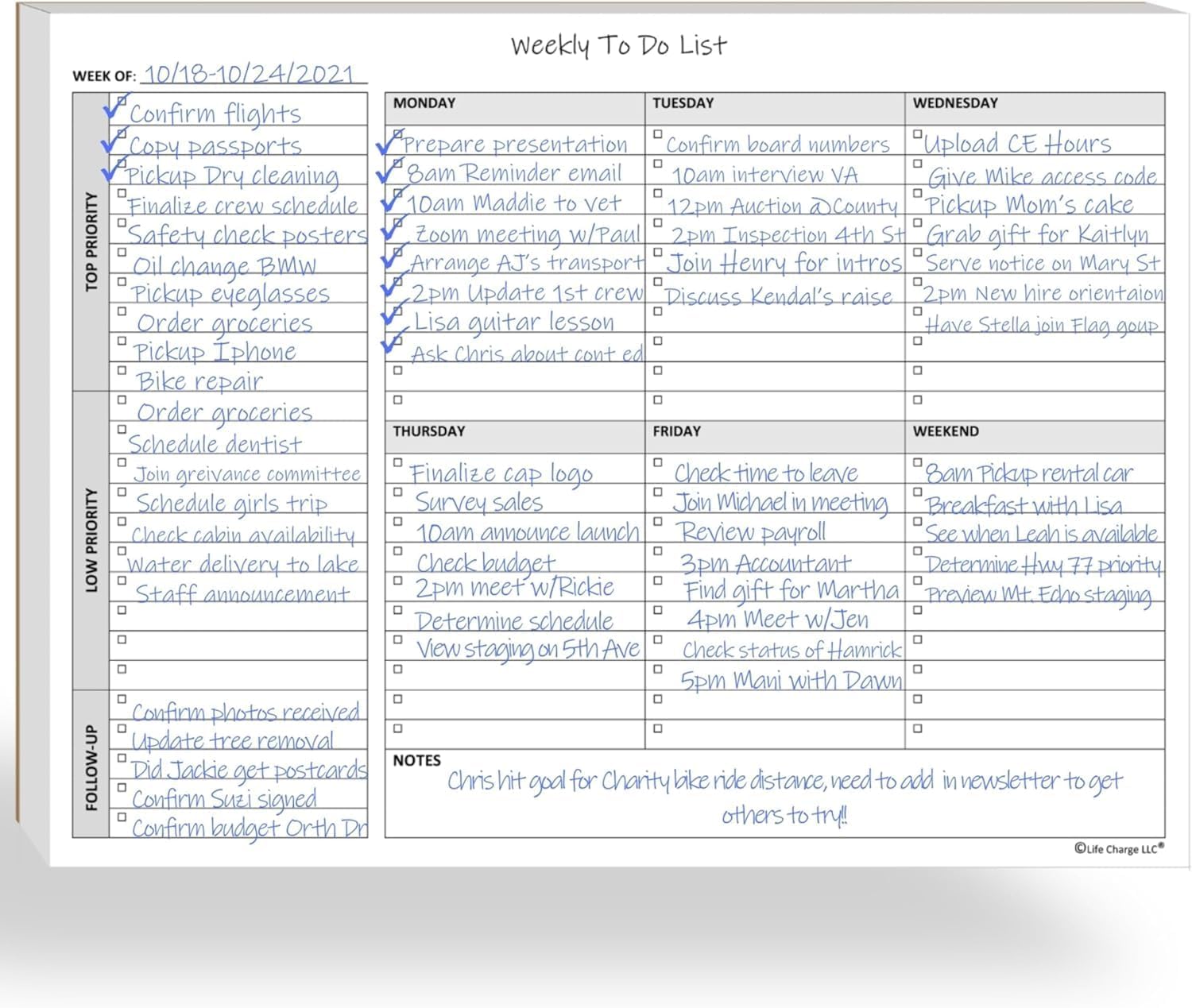
If organizing your finances feels mentally draining, a digital planning tool like the Rocketbook Smart Notebook can simplify budgeting, note-taking, and financial planning while reducing everyday mental clutter.
Meanwhile, remember that comparison is expensive. Someone else's financial journey isn't your roadmap.
Related reading: Learn how creating a simple monthly budget can reduce financial stress and help every dollar work harder for you.
The Hidden Cost of Always Feeling Behind
One reason people take unnecessary financial risks is the fear of missing out. Social media celebrates overnight success while rarely showing years of patient saving, investing, and disciplined choices.
That constant comparison quietly creates anxiety.
You start believing your progress isn't enough.
You feel pressure to chase bigger returns.
You forget that protecting your future is just as valuable as growing it.
In other words, emotional overload can become one of the biggest threats to long-term wealth.
Modern life normalizes burnout
Being constantly busy has become a badge of honor. Yet financial wellness often grows in slower moments—when you finally pause, evaluate your priorities, and stop reacting to every headline.
This quiet reset isn't weakness.
It's strategy.
If better sleep has become part of your wellness journey, products like the Hatch Restore Sleep Clock can support healthier nighttime routines that indirectly improve decision-making by reducing stress and mental fatigue.
Financial confidence grows when your mind has enough energy to think clearly.
Small Decisions Create Big Financial Results
Many people believe wealth comes from one perfect investment.
More often, it comes from thousands of tiny decisions repeated over decades.
Cooking at home a few extra nights.
Increasing retirement contributions by one percent.
Paying off high-interest debt sooner.
Avoiding unnecessary subscription spending.
Keeping long-term investments untouched.
None of these choices feel dramatic today.
Together, however, they completely change your financial future.
That said, don't underestimate emotional wins. Every month you stay consistent reinforces your identity as someone who manages money with confidence instead of fear.
The goal isn't perfection.
The goal is progress that feels sustainable.
Your Financial Reset Can Start Today
If you've been carrying silent burnout, mental overload, or the constant feeling that you're doing everything right but still falling behind, know this: your financial life doesn't need another complicated strategy.
It needs clarity.
Choose one small action today.
Automate one transfer.
Review one expense.
Increase one investment contribution.
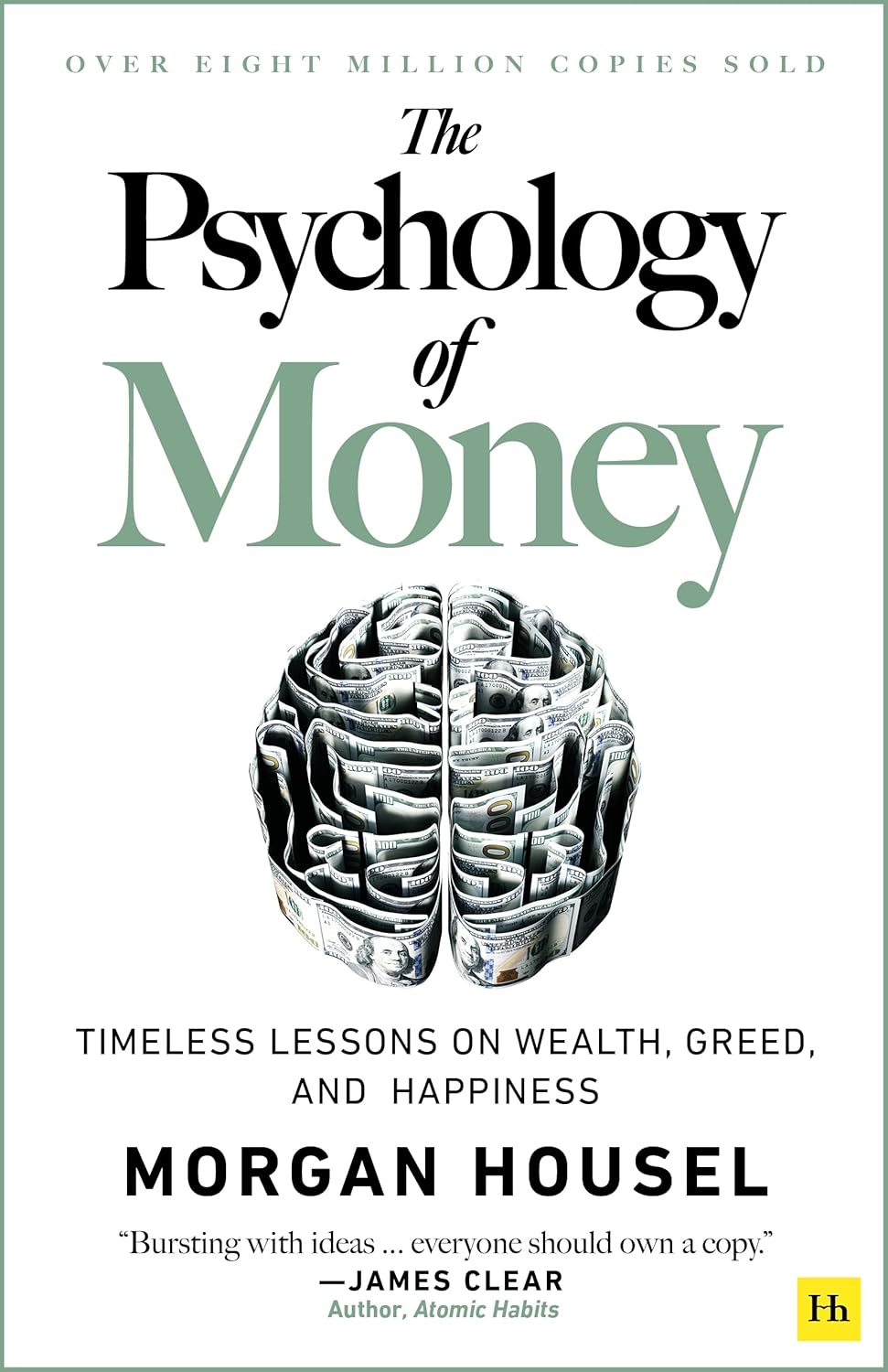
Read one chapter of a personal finance book.
Then repeat.
Months from now, you'll likely notice something unexpected. Your bank balance will have grown, but even more importantly, your stress will have shrunk.
That's what sustainable wealth really looks like.
Related reading: Discover practical habits that help break the paycheck-to-paycheck cycle and create lasting financial stability.
Stop waiting for the perfect moment to build wealth. Start with one simple financial habit today, stay consistent, and let time become your greatest investment partner. The sooner you begin, the sooner your money starts quietly working for the future you truly deserve.
Continue Building Your Financial Clarity
Now that you understand why money anxiety doesn’t go away even when you earn more, the next step is learning how to build a healthier and more peaceful relationship with your money.
You don’t need to fix everything at once.
Start with one small change — one habit, one tool, or one moment of awareness — and observe how your financial mindset begins to shift over time.
You may also like:
👉 The Truth About Money Discipline No One Talks About)
👉 You Don’t Have a Money Problem — You Have a Behavior Pattern
👉 Why You Struggle With Money Even When You Know What To Do
👉 You're Not Bad with Money: You're Repeating Patterns
FAQ: How to Grow Your Money Without Taking Big Risks
What is the safest way to grow your money?
One of the safest approaches is to combine a high-yield savings account for short-term goals with diversified index funds for long-term investing. This strategy balances growth potential with lower risk.
Can I grow my money without investing in stocks?
Yes. While stocks have historically provided strong long-term returns, you can also grow your money through high-yield savings accounts, certificates of deposit (CDs), government bonds, and other low-risk investments. Keep in mind that returns may be lower than with a diversified stock portfolio.
How much money do I need to start investing?
You don't need a large amount. Many investment platforms allow you to start with as little as $10 or $25. Consistency is far more important than starting with a big investment.
What does "low-risk investing" really mean?
Low-risk investing focuses on protecting your money while earning steady returns. It typically involves diversified investments, fixed-income assets, and avoiding speculative or highly volatile opportunities.
Is it better to save money or invest it?
Both are important. Savings are ideal for emergency funds and short-term expenses, while investing is generally better for long-term goals because it offers greater potential for growth over time.
How does compound interest help grow wealth?
Compound interest allows you to earn returns not only on your original investment but also on the earnings it generates. Over many years, this can significantly accelerate your wealth growth.
How can I avoid taking unnecessary financial risks?
Create an emergency fund, diversify your investments, avoid emotional decisions, invest consistently, and focus on long-term goals instead of trying to predict short-term market movements.
How long does it take to see meaningful financial growth?
Building wealth is a long-term process. While small gains may appear within months, significant growth typically happens over several years through consistent saving, investing, and the power of compound returns.
Should I invest if the market is uncertain?
For long-term investors, market uncertainty is normal. Investing consistently over time rather than trying to time the market has historically been one of the most effective strategies.
What is the biggest mistake people make when trying to grow their money?
The biggest mistake is chasing quick profits or taking unnecessary risks out of fear of missing out. Staying disciplined, investing consistently, and following a long-term plan usually leads to better financial outcomes.