








Why your monthly bills keep rising even when you cut spending is one of those financial frustrations that can make you question everything. You skip takeout, think twice before buying something online, cancel a few extras, and try to be more careful. Then the next month arrives, and somehow the number coming out of your bank account is still higher.
If that sounds painfully familiar, take a breath. You are not necessarily bad with money. You may be dealing with something much more difficult to see: your recurring expenses are quietly changing underneath you.
This is especially exhausting when you are already carrying a full mental load. You may be working, managing a household, remembering appointments, handling groceries, answering messages, and trying to keep everyone else moving forward. From the outside, you are functioning. Inside, you may feel like something is constantly slipping.
And that feeling matters. When financial pressure becomes another background noise in your life, even opening a banking app can feel like a chore. The good news is that clarity can interrupt that cycle.
Why Your Monthly Bills Keep Rising Even When You Spend Less
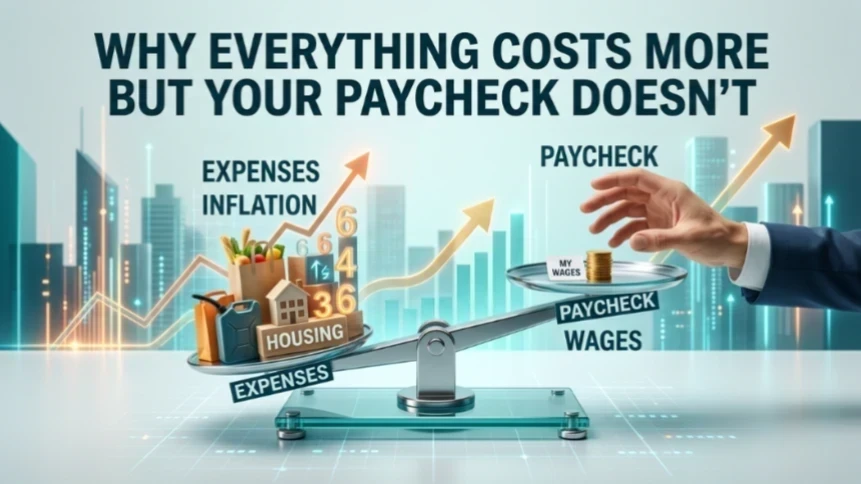
The biggest reason your monthly bills keep rising is surprisingly simple: not every expense responds to your spending habits.
You can stop buying coffee and still face a higher insurance premium. You can cook at home more often and still see your utility bill increase. You can avoid shopping for an entire month and discover that a recurring service, loan payment, or household cost has changed.
In other words, there is a difference between spending less and having lower fixed costs. That distinction can completely change the way you look at your budget.
Your recurring expenses have a life of their own
Monthly bills are often influenced by factors outside your immediate control. Inflation can push up prices. Insurance companies can adjust premiums. Utilities can fluctuate with usage and rates. Service providers can change pricing. Interest rates can affect borrowing costs. Even small administrative fees can accumulate over time.
That is why cutting every little pleasure may not produce the dramatic result you expect. You could save $40 by eating out less while a combination of insurance, utilities, phone service, and other recurring expenses adds $80 to your monthly obligations.
The result is emotionally confusing. You are trying harder, yet your financial situation does not seem to reward the effort.
For a simple way to see where your money is actually going, a budgeting tool such as YNAB can help you organize recurring expenses alongside flexible spending. The goal is not to obsess over every transaction. It is to make the invisible visible.
The Silent Financial Pressure You May Not Be Seeing
Sometimes the most stressful part of rising bills is not the amount itself. It is the uncertainty.
You know money is leaving your account. You know you are trying to spend less. But you do not know exactly why the gap keeps appearing. That uncertainty creates a strange kind of mental fatigue because your brain never gets permission to stop monitoring the problem.
You may find yourself thinking about money while brushing your teeth, driving to work, lying in bed, or trying to enjoy dinner. One thought leads to another: Did the electric bill go up again? Can I afford groceries? Did that subscription renew? Why does my paycheck disappear so quickly?
This is where financial stress can become emotional overload.
Functioning does not always mean you are okay
Modern life has normalized an incredible amount of mental pressure. Many people are expected to work, earn, organize, plan, remember, provide, respond, and still somehow maintain perfect control over their finances.
Women in particular can experience this invisible burden when financial management becomes intertwined with household responsibilities and emotional labor. The problem is not simply that there are bills to pay. It is that someone has to remember all of them.
When you are mentally exhausted, even a simple financial task can feel enormous. You may postpone reviewing your statements because you do not have the energy to discover another problem. Then the avoidance creates more uncertainty, which creates more stress.
That cycle can make you feel as if you are failing when you are actually overloaded.
A small journal such as a Leuchtturm1917 Notebook can be surprisingly useful here, not as a complicated financial system but as a place to write down the few numbers, questions, and decisions you need to handle. Getting financial thoughts out of your head can reduce the feeling that you have to remember everything at once.
The Hidden Truth About Cutting Spending
Here is the truth that can change your entire approach: you cannot always solve a recurring-cost problem by cutting discretionary spending.
This matters because traditional money advice often focuses heavily on individual purchases. Make coffee at home. Skip the restaurant. Buy fewer clothes. Stop impulse shopping.
Those choices can absolutely help. But they become frustrating when they are treated as the entire solution.
Imagine you have already reduced restaurant spending by $150 a month. You feel proud because you made a meaningful change. But then your insurance rises by $45, your internet bill increases by $10, your electricity averages $25 more, and another recurring service quietly costs $15 more.
Suddenly, $95 of your $150 savings has disappeared.
You did not fail. Your financial environment changed.
Look at the big recurring categories first
When monthly bills keep rising, start with the expenses that repeat automatically. These deserve attention because a single decision can potentially affect your finances for months.
Housing and rent or mortgage costs
Auto insurance and other insurance premiums
Utilities and energy expenses
Internet and mobile phone plans
Debt payments and interest charges
Subscriptions and memberships
Childcare, education, or recurring family expenses
Transportation and commuting costs
You do not need to attack all of these categories in one afternoon. In fact, trying to fix everything at once can make financial burnout worse.
Instead, choose one category that is both significant and realistically changeable. Ask one question: Has this cost changed, and do I understand why?
That question is powerful because it moves you from guilt to investigation.
A Monthly Bill Reset Can Give You Back a Sense of Control
A monthly financial reset does not need to involve spreadsheets, complicated formulas, or hours of financial research. It can be a short ritual that helps you notice changes before they become a crisis.
Set aside 15 to 20 minutes once a month. Choose a calm moment when you are unlikely to be interrupted. Have your bank statement, recent bills, and calendar nearby.
Check what changed. Compare this month's recurring expenses with the previous month.
Circle unexpected increases. Do not judge them yet. Just identify them.
Separate essential from optional. This immediately clarifies where you have genuine choices.
Look for automatic renewals. Subscriptions and memberships can be easy to overlook.
Choose one action. Call a provider, cancel something unused, compare alternatives, or simply investigate the increase.
Record the result. Knowing what you changed prevents you from carrying the same question into next month.
The psychological benefit is just as important as the financial one. You are creating a predictable place for money concerns to go instead of allowing them to follow you through every part of your day.
Make your environment work for you
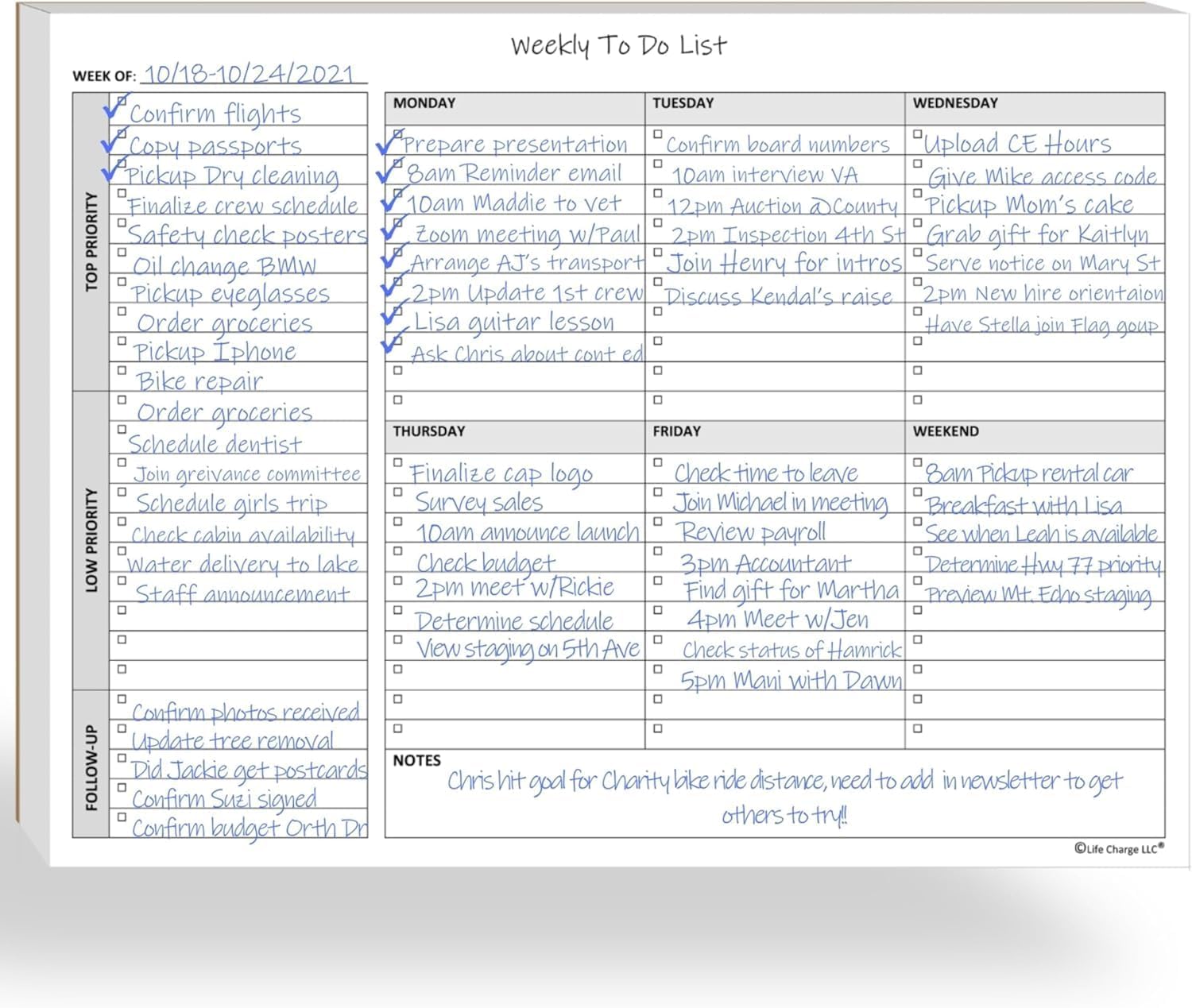
Small environmental changes can also reduce mental friction. Automatic bill reminders, a dedicated calendar, and a simple document folder can keep important information from becoming another thing you have to remember.
Even something as ordinary as a Google Nest Hub can fit into a household organization routine by helping surface reminders and schedules. The point is not the device itself. The point is reducing the number of financial and household details your brain has to hold onto.
Moreover, creating a calmer system can help you make better decisions. When you are less overwhelmed, you are more likely to notice a price increase, question a fee, or recognize a subscription you no longer use.
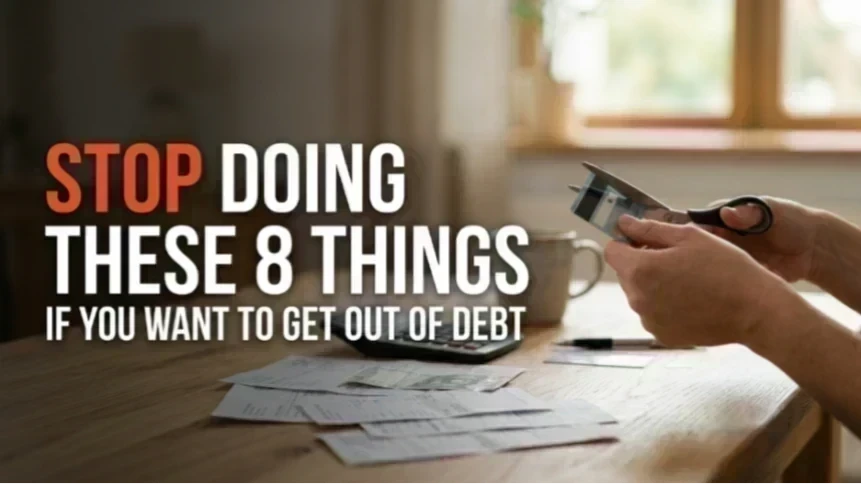
What to Stop Doing When Your Bills Keep Going Up
If your monthly bills keep rising, there are a few habits worth reconsidering.
Stop blaming every small purchase
A $5 purchase may matter, but obsessing over tiny expenses while ignoring a $200 recurring increase is a poor use of your limited attention. Your money deserves focus, but so does your energy.
Stop assuming a stricter budget will fix everything
A budget is a tool, not a punishment. If your essential costs have changed significantly, repeatedly cutting small comforts may leave you exhausted without addressing the actual problem.
Stop waiting until you feel financially calm
This one is difficult because when you are overwhelmed, financial tasks are exactly what you want to avoid. But clarity usually comes before calm, not after it.
You do not need to feel motivated. You only need to make the next small piece of information visible.
The Goal Is Not a Perfect Budget. It Is Financial Clarity.
There is a subtle difference between controlling every dollar and understanding your financial life.
Perfect control is exhausting. Clarity is sustainable.
When you know which bills are increasing, which expenses are flexible, which payments are temporary, and which costs need attention, your money stops feeling like one giant mysterious problem.
You may still have expensive bills. You may still face price increases. You may not be able to lower every cost. But uncertainty loses some of its power.
And that is often the real reset people need.
Financial peace does not always begin with earning more money. Sometimes it begins with finally understanding why the money you already earn feels stretched so thin.
What to Do This Month If Everything Feels Too Much
If you are exhausted, do not create a 25-step financial makeover tonight. Give yourself one manageable task.
Open your latest bank statement and identify the three largest recurring expenses. Write down what they cost today and what they cost a few months ago. If one has increased, mark it for investigation.
That is enough for today.
Next week, you can decide whether to negotiate, cancel, switch, reduce usage, or simply accept the new cost and adjust your plan.
The important thing is that you are no longer staring at a vague feeling that something is wrong. You are turning that feeling into information.
And information gives you options.
Do not wait for another stressful month to force you into action. Take 20 minutes today, find the bills that changed, and identify the one expense you can understand or improve first. You do not need a perfect financial life. You need a clear next move. Start there.
If you have been feeling like your money disappears faster despite your best efforts, remember this: the answer may not be to cut more and sacrifice more. Sometimes the answer is to stop looking only at what you buy and start examining what you are automatically required to pay.
That shift can change the conversation you have with your money. Instead of asking, What am I doing wrong? you can begin asking, What changed, and what can I do about it?
That is a calmer question. A more useful question. And for someone already carrying enough mental weight, that difference can matter more than you realize.
Why do my monthly bills keep rising even when I spend less?
Because cutting discretionary spending does not necessarily reduce your recurring costs. Insurance premiums, utilities, subscriptions, phone plans, housing, debt interest, and other essential expenses can increase even when you are actively trying to spend less. The result can make you feel like your money is disappearing despite your efforts.
Why does saving money feel impossible when I am already cutting expenses?
You may be cutting the wrong type of expenses. Small purchases can be reduced, but they may not compensate for larger recurring costs that have increased. If your essential monthly bills are rising faster than your savings, the problem may not be a lack of discipline. You may need to review your fixed and recurring expenses instead of constantly sacrificing small comforts.
What bills should I review first when my expenses keep increasing?
Start with your largest recurring expenses because even a modest reduction can create meaningful monthly savings. Review housing, insurance, utilities, transportation, debt payments, internet, phone service, subscriptions, and memberships. Look specifically for price increases, unnecessary services, new fees, and charges you may no longer recognize.
Can financial stress make it harder to manage money?
Absolutely. Constant financial uncertainty can create mental fatigue and decision overload. When you are already exhausted from work, family responsibilities, and everyday life, another financial task can feel overwhelming. That can lead to avoidance, which creates even more uncertainty. A simple monthly money reset can help break that cycle by giving your financial worries a specific time and place.
Should I create a stricter budget if my monthly bills keep rising?
Not necessarily. A stricter budget can help, but it cannot magically reduce expenses that are outside your control. If essential bills have increased, repeatedly cutting small purchases may leave you feeling deprived without solving the underlying problem. A better first step is to understand exactly which recurring costs changed and determine which ones can realistically be reduced, renegotiated, or eliminated.
What is the fastest way to regain control when my finances feel overwhelming?
Start with one small financial reset instead of trying to fix everything at once. Look at your latest statement and identify the three largest recurring expenses. Compare them with previous months, find anything that increased unexpectedly, and choose one expense to investigate. Turning a vague feeling of financial stress into specific information is often the first step toward feeling in control again.
Continue Building Your Financial Clarity
Now that you understand why money anxiety doesn’t go away even when you earn more, the next step is learning how to build a healthier and more peaceful relationship with your money.
You don’t need to fix everything at once.
Start with one small change — one habit, one tool, or one moment of awareness — and observe how your financial mindset begins to shift over time.
You may also like:
👉 The Truth About Money Discipline No One Talks About)
👉 You Don’t Have a Money Problem — You Have a Behavior Pattern
👉 Why You Struggle With Money Even When You Know What To Do
👉 You're Not Bad with Money: You're Repeating Patterns