









Your Credit Score Is Dropping, and You May Not Realize Why
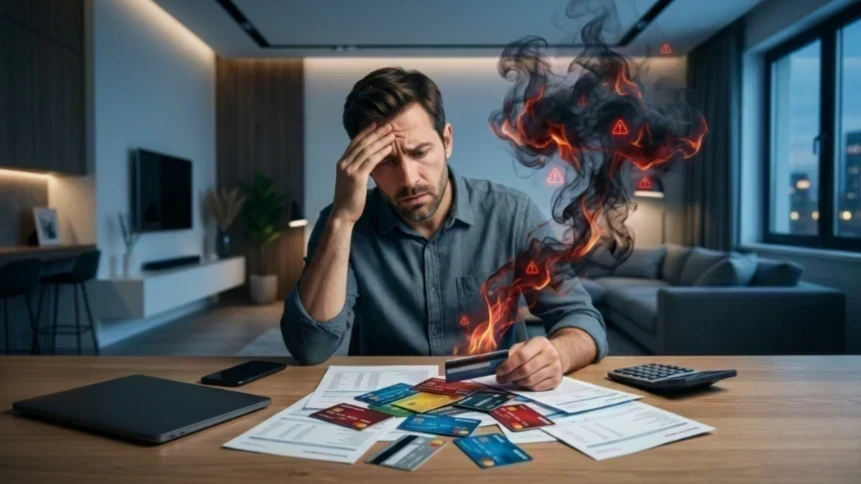
Your credit score is dropping, and the frustrating part is that you may feel like you are doing everything right. You pay bills. You work. You try to keep up. You may even be more careful with money than you were a few years ago.
Yet one day you check your credit score and see a number that has moved in the wrong direction. Suddenly, that little three-digit number feels much bigger. It can affect how confident you feel about applying for a credit card, financing a car, renting a home, or simply getting your finances back under control.
And when you are already mentally exhausted, the last thing you need is another financial mystery.
Modern life makes this surprisingly common. You can be functioning, answering messages, going to work, paying bills, taking care of everyone around you, and still feel like something is quietly slipping through the cracks. Financial stress often does not arrive as one dramatic disaster. Sometimes it looks like autopilot living: another subscription, another card purchase, another statement you promise yourself you will review later.
The good news is that a falling score is information, not a permanent sentence. Before you panic, look for the pattern.
1. Your Credit Card Balance Is Higher Than You Think
One of the most overlooked reasons a credit score can fall is a change in credit utilization, which is the amount of revolving credit you are using compared with your available limits.
You do not have to miss a payment for this to matter. Imagine your credit card has a $5,000 limit and you normally report a $700 balance. Then an unusually expensive month leaves you with $2,400 on the card. Even if you plan to pay it off and never carry the balance long term, the higher reported balance can affect your score.
This is especially easy to miss when life gets expensive. A medical bill, school expense, home repair, holiday spending, or a few unusually large grocery trips can push your balance higher without feeling like a financial emergency in the moment.
A simple reset
Look at your statements and compare your balances with your credit limits. If your utilization has suddenly increased, that may explain part of the movement.
A tool such as YNAB can also help you see where money is going before credit card spending becomes another source of mental overload. The goal is not perfection. It is visibility.
2. You Paid on Time, But Your Payment Was Still Late
Paying your bills on time is one of the most important credit habits, but the details matter. A payment can be scheduled on the day it is due and still create stress if the transaction does not process as expected.
Autopay can help, but it is not something you should completely forget about. Bank account changes, insufficient funds, expired payment information, or processing problems can interfere with a payment.
When you are burned out, financial administration becomes surprisingly difficult. You may have every intention of paying a bill but simply lose track of which account is connected to which card.
Make payments boring
The best system is often the one that requires the least mental energy. Review your automatic payments periodically, keep payment accounts funded, and set reminders for important due dates.
A simple paper planner or Rocketbook Smart Reusable Notebook can be useful if writing things down helps you feel less scattered. The product itself is not the solution; creating a reliable system is.
3. You Closed an Old Credit Card
Closing a credit card can feel like a responsible financial decision, especially if you are trying to simplify your life or stop spending.
But closing an account can change your overall available credit and potentially affect other aspects of your credit profile. If the closed card had a meaningful credit limit, your remaining balances may represent a larger percentage of your available revolving credit.
There is also a common emotional pattern here. When people become overwhelmed by money, they often want to eliminate every account immediately. That desire for a clean slate makes sense. However, financial simplification and credit optimization are not always the same thing.
Pause before making major account changes
Before closing an older account, understand how the decision could affect your credit profile and whether the account has fees or other issues that justify closing it. Your personal circumstances matter, so there is no universal rule that every old account should remain open.
4. You Applied for Several New Accounts
Another possible reason your credit score is dropping is a cluster of recent applications for new credit.
Maybe you were shopping for a better card. Maybe you needed financing. Maybe you applied for several offers because each one promised a better rate or reward. Individually, an application may not feel significant. Several applications close together can tell a different story in your credit profile.
This is where financial fatigue can create a frustrating cycle. You feel pressure to improve your finances, so you search for a new financial product. The search itself creates more decisions. More decisions create more fatigue. Eventually, you are managing five new offers while still trying to remember what happened to the old card.
Slow down the application cycle
Before applying, understand whether the lender is likely to perform a hard inquiry and consider whether you genuinely need the new account. Rate shopping for certain types of loans can receive special treatment in scoring models, but the rules vary, so do not assume every credit application works the same way.
5. You Have an Error on Your Credit Report
Sometimes the problem is not a mistake you made. It may be inaccurate information appearing on your credit report.
That could include an account you do not recognize, an incorrect payment status, an outdated balance, duplicated information, or another reporting error. Because your credit score is calculated from information in your credit files, inaccurate information can have consequences.
This is one of those financial tasks that people postpone because it sounds exhausting. But uncertainty is often more stressful than the actual task.
Check before you assume the worst
Review your credit reports from the major credit reporting agencies and look for information that does not belong to you or appears incorrect. If you find an error, follow the appropriate dispute process with the credit reporting company and, when appropriate, the company that supplied the information.
Do not spend hours trying to fix a problem you have not confirmed exists. First, gather the facts.
6. A Debt Was Sent to Collections
A collection account can have a significant effect on your credit profile, depending on the type of debt, reporting status, scoring model, and other circumstances.
The difficult part is that collections can sometimes come from accounts you thought were already handled. An old medical bill, forgotten service account, or balance connected to a previous address can suddenly become a financial problem you did not expect.
This is where opening your mail, checking account notifications, and reviewing your credit reports matters. Avoiding the information may feel emotionally easier for a few days, but uncertainty tends to grow when it is left untouched.
Separate the emotional reaction from the next action
If you discover a collection account, verify the debt and the information being reported before making decisions. Depending on the circumstances, you may need to communicate with the collector, the original creditor, or the credit reporting agencies.
A comfortable home routine can also make financial tasks feel less overwhelming. Even something as simple as using Hatch Restore to establish a calmer evening routine can support the broader goal of creating a regular time to deal with money instead of letting financial worries follow you into bed.
7. You Are Using a Large Portion of Your Credit Limit Without Realizing It
There is a difference between spending more than usual and appearing heavily dependent on available revolving credit at the time your balances are reported.
This matters because your statement balance and your current balance are not necessarily the same thing. You might make a large purchase, pay it off several days later, and still have the higher balance reported during the relevant period.
That can create a confusing situation where you think, I paid everything, so why did my score change?
Watch the timing
Instead of checking only whether you paid the bill, occasionally look at when your statement closes and what balance is being reported. You do not need to obsess over your score every day. In fact, constant monitoring can increase anxiety.
The goal is awareness without turning your credit score into a daily emotional test.
8. You Missed a Small Bill Because You Were Overloaded
Not every financial mistake feels important when it happens. That is exactly what makes small forgotten bills dangerous.
A subscription you rarely use. A store card you forgot existed. A payment linked to an old checking account. A bill sitting in an email inbox while you are dealing with work, family responsibilities, and everything else life has placed on your plate.
Burnout does not always look like stopping everything. Sometimes it looks like continuing to function while your attention becomes fragmented.
And fragmented attention is expensive.
Create one weekly money check-in
Choose one consistent time each week to review upcoming payments, account balances, credit card activity, and unusual transactions. Keep it short. Fifteen minutes is enough to create a checkpoint.
Moreover, this routine can give unfinished financial thoughts somewhere to go. Instead of thinking about money every night, you know there is a scheduled moment to look at it.
9. You Are Checking the Score but Not the Credit Report
Your credit score is useful, but it is not the entire story.
If your score changes, the number tells you that something moved. Your credit reports can provide more context about the information behind that movement.
This distinction matters when you are already anxious. Seeing a lower number without understanding why can trigger fear, which can lead to rushed financial decisions. You might close accounts, apply for new credit, transfer balances, or make other changes simply because you want the uncertainty to stop.
Use the score as a signal, not a verdict
When your credit score changes, ask three questions:
What changed in my recent credit activity?
Does my credit report contain accurate information?
Is there anything that actually requires action right now?
Those questions turn a vague financial fear into a concrete investigation.
What to Do When Your Credit Score Is Dropping
If you have discovered that your credit score is dropping, resist the urge to fix everything at once. The fastest way to feel more overwhelmed is to create ten new financial tasks when you are already exhausted.
Start with the basics:
Review your credit reports for unfamiliar or inaccurate information.
Check your credit card balances and available limits.
Confirm that recent payments were processed successfully.
Look for newly opened accounts and recent hard inquiries.
Identify any collection accounts or negative information.
Pause unnecessary credit applications while you understand what changed.
Create a simple weekly money check-in.
Give positive credit habits time to work.
Most importantly, do not let one disappointing number convince you that you have failed financially.
The Bigger Problem May Not Be Your Credit Score
Sometimes the most revealing part of a falling credit score is not the number itself. It is what the number exposes.
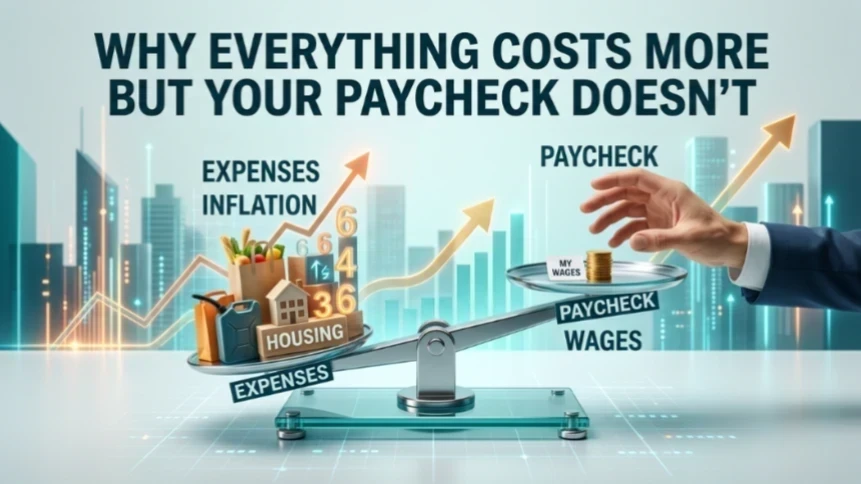
Maybe you have been relying on credit because everyday expenses have become harder to manage. Maybe you are earning more but still feel financially behind. Maybe you are paying everything on time while quietly carrying balances that make every month feel heavier.
Or maybe you are simply tired.
That matters. Financial health is not only about numbers. It is also about the systems, habits, and mental energy required to manage those numbers.
Modern life can normalize emotional overload. You can be productive and still be overwhelmed. You can look responsible from the outside and still feel like you are barely keeping up. You can function while knowing something needs to change.
That realization is not a reason to panic. It is a reason to pay attention.
Give Yourself a Financial Reset Instead of Another Reason to Worry
Your credit score can change for many reasons, and not every drop means something catastrophic has happened. The most useful response is to identify what changed, verify the underlying information, and focus on the habits you can control.
Think of this as a reset, not a punishment.
You do not need a perfect financial life tonight. You need clarity about the next step. Maybe that means checking one credit report. Maybe it means reviewing one card balance. Maybe it means finally setting up a weekly money check-in that you can actually maintain.
Small moments of clarity can interrupt months of autopilot living.
Do not let a falling credit score become another unanswered question in the back of your mind. Check what changed, find the mistake if there is one, and take one concrete step today. Your future self does not need perfection from you. She needs you to stop ignoring the signal and start getting clear.
And remember: a credit score is a financial measurement, not a measurement of your worth. If something is off, investigate it. If something needs to change, change it one step at a time. The goal is not to obsess over a number. The goal is to build a financial system that makes your life feel more manageable, more intentional, and less controlled by surprises.
Frequently Asked Questions
Why is my credit score dropping even though I pay my bills on time?
Your credit score can drop even when you never miss a payment. Changes in credit utilization, new credit applications, recently opened or closed accounts, changes in reported balances, or inaccurate information on your credit report can all affect your score. Paying on time is important, but it is only one part of your overall credit profile.
What is credit utilization, and why does it matter?
Credit utilization is the percentage of your available revolving credit that you are currently using. For example, if your credit card limit is $5,000 and your reported balance is $2,000, your utilization is 40%. A higher utilization rate can negatively affect your credit score, even if you plan to pay the balance in full.
Can using my credit card too much lower my credit score?
Yes. If your credit card balances increase significantly compared with your available limits, your credit utilization may rise and your score can be affected. This can happen even if you continue making every payment on time. Paying down balances and keeping utilization manageable can help over time.
Can paying off a credit card cause my credit score to drop?
It can, depending on what else is happening in your credit profile. Paying off debt is generally a positive financial habit, but closing the account afterward could reduce your available credit and change your overall credit profile. The effect depends on your individual credit history and the scoring model being used.
Can closing an old credit card hurt my credit score?
Closing an old credit card can potentially affect your credit score, particularly if the account had a high credit limit. Removing available credit may increase your overall utilization ratio. Before closing an account, consider its fees, your spending habits, and how the closure could affect your broader credit profile.
How many points can your credit score drop from a hard inquiry?
A hard inquiry can cause a small, temporary decrease in your credit score, although the exact impact varies by person and scoring model. Multiple credit applications within a short period can also have a greater effect, depending on the type of credit and circumstances.
Why did my credit score drop after applying for a credit card?
When you apply for a credit card, the issuer may perform a hard inquiry, which can affect your score. Opening the new account can also change the average age of your accounts, available credit, and other factors considered by scoring models.
Can one missed payment really hurt my credit score?
Yes, a reported late payment can have a significant impact, especially if you previously had a strong payment history. However, not every payment that is a few days late is necessarily reported to the credit bureaus. The reporting rules and consequences depend on the creditor and the circumstances.
Why did my credit score suddenly drop for no reason?
A sudden drop usually has a reason, even if it is not immediately obvious. A recently reported balance, new inquiry, account change, late payment, collection account, or correction to information on your credit report could be responsible. Checking your credit reports is one of the best ways to investigate an unexpected change.
Can a credit report error lower my credit score?
Yes. Incorrect information on a credit report can potentially affect your credit score. Errors may include accounts that do not belong to you, inaccurate payment information, incorrect balances, duplicate accounts, or outdated information. If you find an error, you can investigate the appropriate dispute process.
How often should I check my credit report?
There is no need to obsessively check your credit score every day. However, reviewing your credit reports periodically can help you spot inaccurate information, unfamiliar accounts, and other changes. Regular monitoring can be especially useful if you are preparing for a major financial decision.
Does checking my own credit score lower it?
Generally, checking your own credit score or credit report is considered a soft inquiry and does not lower your credit score. Hard inquiries occur when a lender reviews your credit as part of certain credit applications.
Can a collection account make my credit score drop?
A collection account can negatively affect your credit profile, depending on factors such as the type of debt, how it is reported, when it occurred, and the scoring model being used. If you discover a collection account, verify the information before deciding what action to take.
How long does it take to rebuild a credit score?
There is no universal timeline because rebuilding credit depends on what caused the damage and the rest of your credit history. Consistently paying bills on time, managing credit card balances, avoiding unnecessary new applications, and correcting inaccurate information can help establish healthier credit habits over time.
What is the fastest way to improve a credit score?
There is no guaranteed overnight fix for a credit score. If high credit utilization is contributing to the problem, reducing revolving balances may help once the lower balances are reported. If there is inaccurate information, correcting the error may also make a difference. Otherwise, consistent positive credit behavior and time are important.
Should I stop using my credit cards if my credit score is dropping?
Not necessarily. Responsible credit card use can be part of a healthy credit history. The important issue is how you manage the accounts. If credit card spending is creating balances you cannot comfortably manage, reducing usage may be worth considering. The right approach depends on your financial situation.
Does income affect my credit score?
Your income is generally not a direct factor in calculating a traditional credit score. Credit scoring models primarily evaluate information in your credit history, such as payment history, balances, credit utilization, account history, and applications for new credit.
Does having more money automatically improve your credit score?
No. Having a higher income or more money in your bank account does not automatically increase your credit score. Someone with a high income can have poor credit, while someone with a modest income can have excellent credit. Credit scores are based primarily on credit-related information.
Can financial stress cause me to make credit mistakes?
Financial stress does not directly appear as a line item on your credit report, but it can influence financial behavior. Mental fatigue, burnout, and constant decision-making can make it easier to forget payments, overlook statements, rely on credit cards, or postpone checking accounts. Creating simple routines can reduce the number of financial decisions you have to remember.
What should I do first if my credit score is dropping?
Start by finding out what changed instead of immediately making major financial decisions. Review your credit reports, check your recent credit card balances, look for new inquiries or accounts, confirm that payments were processed, and investigate any unfamiliar negative information. Once you know the cause, you can focus on the appropriate next step.
Is a lower credit score permanent?
No. Credit scores can change as the information in your credit profile changes. Negative information may have an impact for a period of time, but positive credit behavior can help improve your profile. The process may take time, but a temporary drop does not define your long-term financial future.
Continue Building Your Financial Clarity
Now that you understand why money anxiety doesn’t go away even when you earn more, the next step is learning how to build a healthier and more peaceful relationship with your money.
You don’t need to fix everything at once.
Start with one small change — one habit, one tool, or one moment of awareness — and observe how your financial mindset begins to shift over time.
You may also like:
👉 The Truth About Money Discipline No One Talks About)
👉 You Don’t Have a Money Problem — You Have a Behavior Pattern
👉 Why You Struggle With Money Even When You Know What To Do
👉 You're Not Bad with Money: You're Repeating Patterns