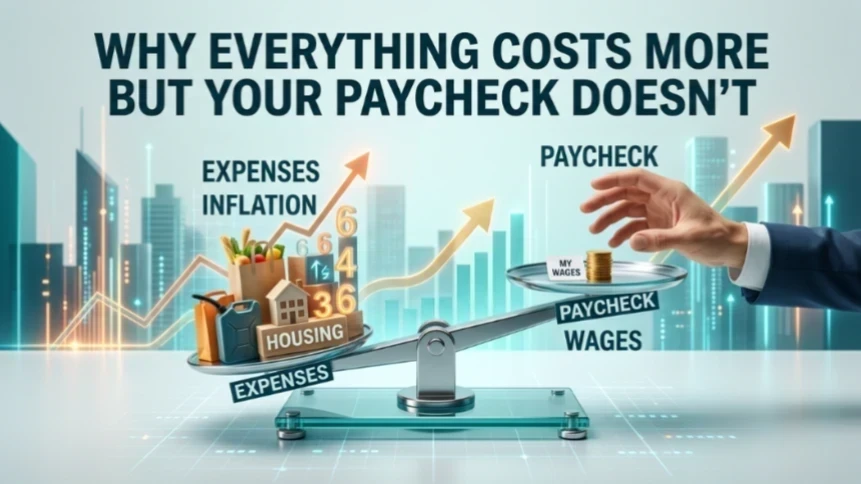











Stop chasing more money. That sentence probably feels wrong at first. After all, we're constantly told that a bigger paycheck is the answer to stress, anxiety, and uncertainty. Yet millions of people earn more than they did five years ago and still wake up exhausted, emotionally drained, and wondering why life doesn't feel easier.
If that sounds familiar, you're not failing. You're experiencing something modern life has quietly normalized: functioning while emotionally overwhelmed. You keep showing up. You keep working. You keep paying bills. But deep down, something feels off.
The hidden truth is that chasing more money without creating more clarity only makes the treadmill move faster. The goal isn't to stop growing financially. The goal is to stop believing that the next raise will magically fix emotional overload.
Stop Chasing More Money and Start Chasing Clarity
Money matters. No one should pretend otherwise. Financial stability creates opportunities and reduces many real-world problems.
However, mental fatigue changes the way we experience money. When your brain is overloaded, every decision feels heavier. Small purchases become emotional escapes. Important financial goals stay postponed because you're simply too tired to think about them.
In other words, the problem isn't always your income. Sometimes it's the constant pressure your mind is carrying.
This is especially common among women balancing careers, households, caregiving, relationships, and invisible emotional labor. From the outside everything looks under control. Inside, it feels like survival mode.
Many people find that writing their thoughts in a Five Minute Journal helps reduce mental clutter before making financial decisions. It's not about productivity hacks. It's about creating enough mental space to think clearly.
The Hidden Cost of Mental Overload
Mental overload quietly affects your finances in surprising ways.
You delay important decisions.
You spend impulsively for temporary relief.
You ignore budgets because they feel overwhelming.
You avoid checking accounts due to stress.
You confuse being busy with making progress.
As a result, earning more doesn't necessarily translate into building wealth.
The Truth Nobody Talks About
Society celebrates hustle. We admire people who are always working, always available, always chasing the next opportunity.
That said, very few people talk about what happens after years of constant pressure.
You become efficient at surviving but disconnected from yourself.
You continue functioning, yet you're no longer fully present.
You keep saying that life will calm down after the next promotion, the next client, the next bonus.
Unfortunately, that future rarely arrives on its own.
This is why so many successful professionals quietly admit they feel empty despite financial growth.
Moreover, research consistently shows that chronic stress reduces decision quality. When your brain is overwhelmed, it naturally seeks immediate comfort instead of long-term rewards.
If better sleep has become difficult, some readers use devices like the Hatch Restore Sleep Clock to create a more relaxing evening routine. Better rest often leads to better financial decisions because your mind has more energy to evaluate choices.
Being Productive Isn't the Same as Being Okay
One of the biggest myths of modern life is believing that productivity equals wellness.
You can answer emails.
You can attend meetings.
You can pay bills.
You can even receive promotions.
And still be emotionally exhausted.
Recognizing this isn't weakness. It's awareness. Awareness creates better decisions, and better decisions create lasting financial progress.
What Actually Creates Financial Freedom
Real financial freedom starts with reducing unnecessary mental friction.
Instead of asking, 'How can I make more money?' try asking a different question.
How can I make my current money work with less stress?
That subtle shift changes everything.
Create Systems Instead of Depending on Motivation
Motivation disappears when you're tired. Systems continue working.
Automate savings.
Schedule one weekly money check-in.
Reduce unnecessary subscriptions.
Create simple spending rules.
Protect time for rest without guilt.
These habits may seem small, but together they dramatically reduce decision fatigue.
Likewise, using a budgeting tool such as YNAB (You Need A Budget) can simplify financial planning by giving every dollar a clear purpose. The goal isn't perfection. It's removing unnecessary mental work from everyday life.
Replace Financial Pressure with Financial Awareness
Many people think discipline means constantly saying no.
In reality, discipline becomes much easier when your environment supports good decisions.
For example:
Keep emergency savings automatic.
Remove shopping apps from your home screen.
Review spending with curiosity instead of shame.
Celebrate consistency instead of perfection.
Furthermore, emotional awareness often saves more money than extreme budgeting because it addresses the real reason behind impulsive spending.
The Quiet Reset That Changes Everything
Imagine waking up without immediately thinking about bills.
Imagine opening your banking app without anxiety.
Imagine making purchases intentionally instead of emotionally.
That future isn't reserved for people earning six figures.
It's built through small daily decisions that reduce overwhelm instead of increasing pressure.
The biggest breakthrough often isn't a larger paycheck.
It's finally believing you don't have to earn your peace by working yourself into burnout.
When clarity improves, confidence follows.
When confidence grows, financial decisions improve naturally.
When better decisions compound, wealth quietly follows.
That's the cycle worth chasing.
For more practical guidance, explore our articles about creating a weekly money reset, understanding emotional spending, and building sustainable financial habits that last through busy seasons.
Stop waiting for the next paycheck to give you permission to feel better. Start creating financial clarity today with one small intentional change. Your future wealth depends far more on consistent habits than endless hustle—and the best time to begin your reset is now.
Final Thoughts
Stop chasing more money as if it's the missing piece of your life.
Instead, chase clarity.
Protect your energy.
Simplify your financial systems.
Honor your mental health.
Build habits that continue working even on difficult days.
Because the richest version of your future isn't simply someone who earns more. It's someone who feels calm, confident, intentional, and fully present while building lasting wealth one decision at a time.
Frequently Asked Questions
Why do I still feel financially stressed even though I'm earning more?
Because income and financial peace are not the same thing. As your earnings increase, your lifestyle, responsibilities, and expectations often rise too. Without intentional money habits and emotional awareness, more income simply creates a more expensive version of the same financial stress.
Is chasing more money actually hurting my financial future?
It can be. Constantly focusing on earning more may cause you to overlook the habits that truly build wealth, such as budgeting, investing consistently, avoiding emotional spending, and protecting your mental energy. Burnout often leads to poor financial decisions that cost far more than a missed promotion.
What's the biggest mistake people make with money?
Many people believe that a higher salary will solve every financial problem. In reality, lasting financial success comes from managing what you already have wisely. Wealth is built through consistent decisions, not occasional income increases.
How does mental overload affect my finances?
Mental fatigue makes it harder to think clearly, plan ahead, and resist impulse purchases. When you're emotionally exhausted, convenience often wins over strategy, leading to unnecessary spending, neglected financial goals, and constant feelings of being behind.
If making more money isn't the answer, what should I focus on instead?
Focus on creating simple financial systems that reduce stress. Automate savings, review your finances weekly, eliminate unnecessary expenses, and build routines that support better decisions. Financial clarity creates confidence, and confidence leads to long-term wealth.
Can improving my mindset really increase my wealth?
Absolutely. A healthier relationship with money helps you spend with intention, avoid emotional financial decisions, stay consistent with investing, and make choices that align with your long-term goals. Your mindset influences every financial decision you make.
How do I know if I'm experiencing financial burnout?
Common signs include constantly thinking about money, feeling guilty after spending, avoiding your bank account, struggling to make simple financial decisions, feeling exhausted despite working hard, and believing you'll finally be okay only after earning more.
What's one change I can make today that will have a lasting impact?
Stop asking, "How can I make more money?" and start asking, "How can I make my current money work better?" That shift encourages smarter spending, stronger saving habits, and a healthier relationship with money—without waiting for your next raise.
Continue Building Your Financial Clarity
Now that you understand why money anxiety doesn’t go away even when you earn more, the next step is learning how to build a healthier and more peaceful relationship with your money.
You don’t need to fix everything at once.
Start with one small change — one habit, one tool, or one moment of awareness — and observe how your financial mindset begins to shift over time.
You may also like:
👉 The Truth About Money Discipline No One Talks About)
👉 You Don’t Have a Money Problem — You Have a Behavior Pattern
👉 Why You Struggle With Money Even When You Know What To Do
👉 You're Not Bad with Money: You're Repeating Patterns